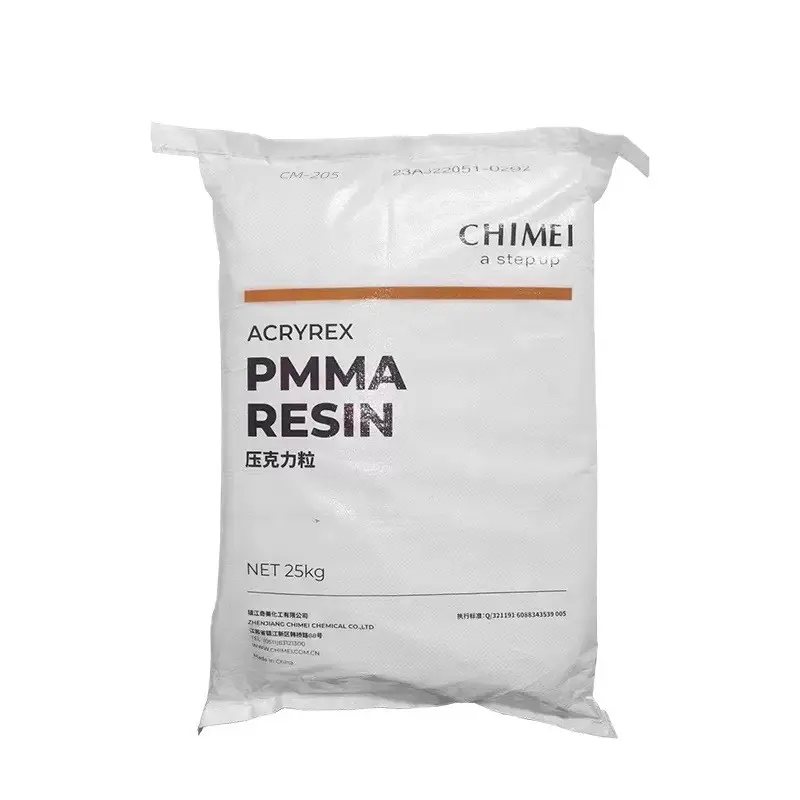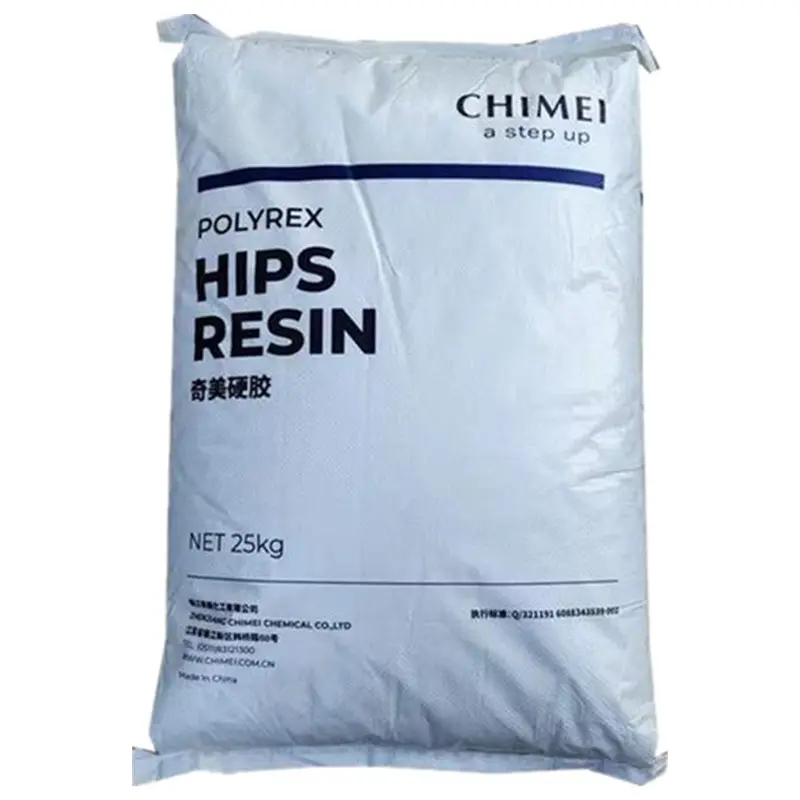
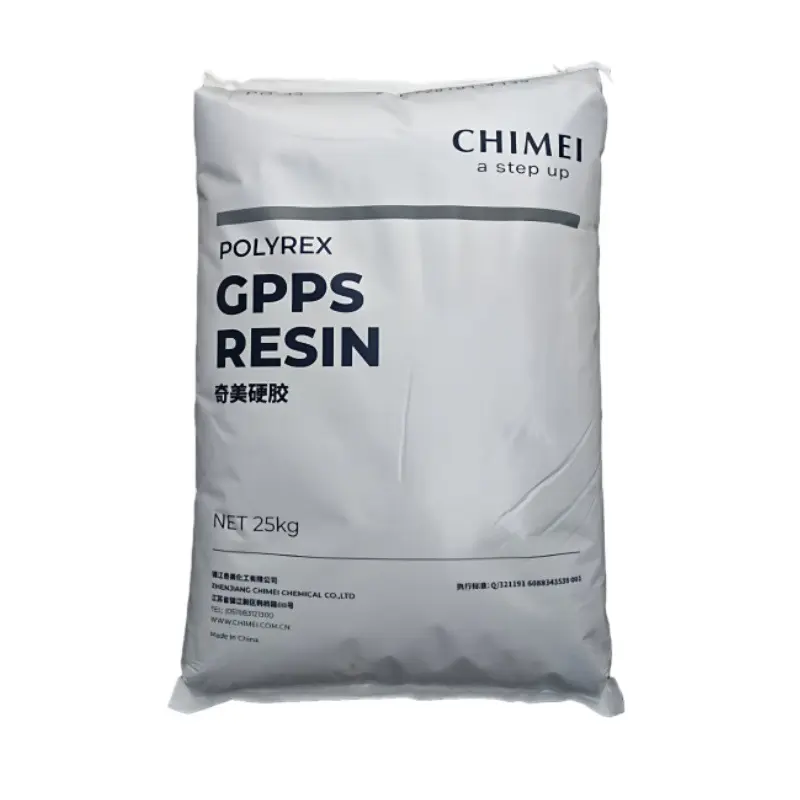
Product Overview
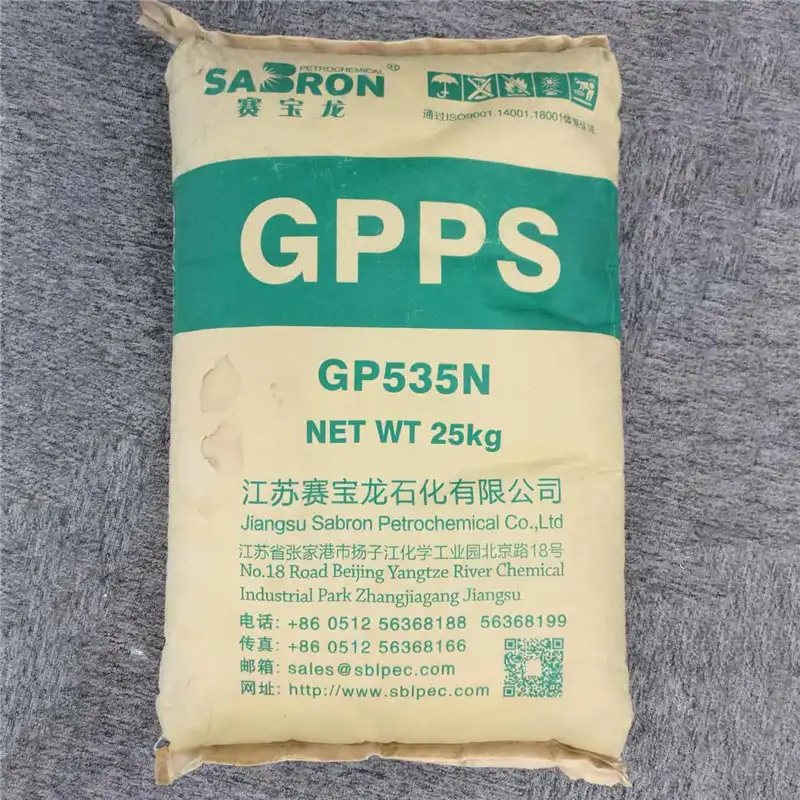
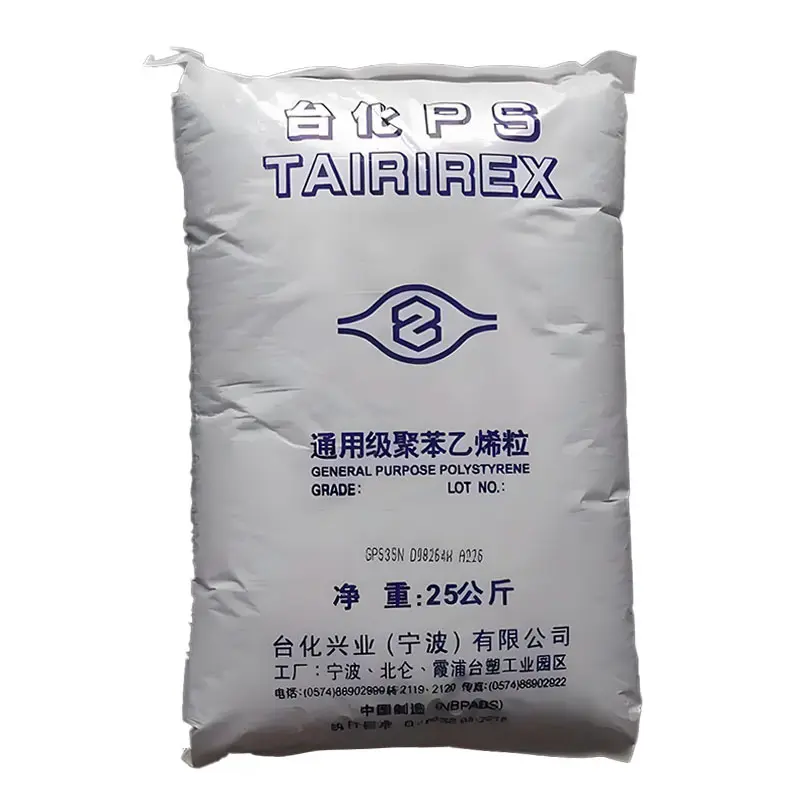
POLYREX® PG-383 is a general-purpose polystyrene (GPPS) produced by ChiMei Corporation. This material is an amorphous thermoplastic resin that features high transparency, high rigidity, and excellent electrical insulation properties. PG-383 is specifically designed for injection molding and is suitable for manufacturing industrial components that have specific requirements for dimensional stability, surface gloss, and optical clarity.
Technical Specifications
Physical Properties
| Physical Properties | Test Condition | Test Value | Test Standard |
| Density | 23 °C | 1.04 g/cm³ | ISO 1183 |
| Melt Flow Rate, Volume | 200 °C, 5 kg | 2.7 cm³/10 min | ISO 1133 |
Mechanical Properties
| Mechanical Properties | Test Condition | Test Value | Test Standard |
| Tensile Strength, Break | 50 mm/min | 53.0 MPa | ISO 527-2/50 |
| Tensile Strain, Break | 50 mm/min | 2.0 % | ISO 527-2/50 |
| Flexural Modulus | 2 mm/min | 3200 MPa | ISO 178 |
| Flexural Strength | 2 mm/min | 85.0 MPa | ISO 178 |
| Charpy Impact Strength, Notched | 23 °C, 4 mm | 2.7 kJ/m² | ISO 179 |
| Izod Impact Strength, Notched | 23 °C, 4 mm | 4 kJ/m² | ISO 180/1A |
Thermal Properties
| Thermal Properties | Test Condition | Test Value | Test Standard |
| Heat Deflection Temperature, Unannealed | 1.8 MPa | 85.0 °C | ISO 75-2/A |
| 0.45 MPa | 99.0 °C | ISO 75-2/B | |
| Vicat Softening Point | 10 N, 50 °C/hr | 101 °C | ISO 306/B50 |
| Flame Rating | 1.5 mm | HB | UL 94 |
Disclaimer: The technical data provided above is for reference purposes only and is based on typical values provided by the manufacturer. While we strive to ensure the accuracy of this information, actual product performance may vary based on specific processing conditions and testing methods. Please refer to the official Technical Data Sheet (TDS) and Material Safety Data Sheet (MSDS) provided with your order for precise technical specifications and safety guidance.
Logistics & Supply Standards
This product utilizes standard 25 kg multi-layer paper bag packaging. We maintain regular stock at major logistics hubs to ensure the stability of the supply chain. The average lead time for standard orders depends on the International Commercial Terms (Incoterms) and the destination, and can typically be arranged after the order is confirmed. As a non-hazardous chemical, POLYREX® PG-383 supports mixed loading with other general engineering plastic raw materials to optimize customers’ logistics costs and warehousing efficiency.
Compliance & Quality Commitment
We ensure that all supplied POLYREX® PG-383 complies with strict international regulatory standards, including the RoHS directive and REACH regulations. Each batch of products is accompanied by complete third-party inspection reports and quality management documents, including the Technical Data Sheet (TDS), Material Safety Data Sheet (MSDS/SDS), and Certificate of Analysis (COA). We have established a comprehensive batch traceability system to ensure full-link quality control from production source to final delivery.
Sustainability & ESG Statement
As a thermoplastic, POLYREX® PG-383 supports physical recycling and reprocessing. During production and processing, the material exhibits low Volatile Organic Compound (VOC) emission characteristics. We are committed to supporting the development of a global green supply chain, ensuring that products comply with environmental regulations throughout their life cycle, and encouraging customers to use compliant recycling solutions to handle production waste and terminal products while ensuring performance.
Frequently Asked Questions (FAQs)
Q1: Regarding the processing characteristics of PG-383, what are the recommended melt temperature and mold temperature ranges?
A1: GPPS materials have good thermal stability; the recommended melt temperature range is 180-240°C. The mold temperature is usually controlled between 40-70°C. Due to the material’s rapid solidification speed, pay attention to the setting of the gate position to avoid jetting flow marks, and ensure accurate holding pressure switching points to reduce the risk of cracking caused by internal stress.
Q2: Is PG-383 suitable for food contact packaging applications? What compliance documents are required?
A2: POLYREX® PG-383 meets the requirements for polystyrene resins under relevant food contact regulations (such as FDA 21 CFR 177.1640, etc.). For specific food contact applications, please provide detailed usage scenarios (such as food type, temperature, and duration of contact), and we will provide corresponding Declarations of Compliance and relevant test reports accordingly.
Q3: Is PG-383 suitable for transparent applications that require higher impact resistance? How should selection strategies be adjusted?
A3: As a general-purpose polystyrene, the molecular chain of PG-383 has a brittle structure with a notched Izod impact strength of 4 kJ/m², making it unsuitable for high-impact scenarios. If the application involves drop testing or bearing impact loads, it is recommended to evaluate High Impact Polystyrene (HIPS) grades within the Chi Mei POLYREX® series, or improve toughness through blend modification; however, this may affect the material’s transparency and gloss.