Technical Guides

POM Plastic: Properties, Applications & Injection Molding Guide

POM (acetal) plastic guide: properties, applications & injection molding. POM vs nylon comparison, melting point & sourcing tips.

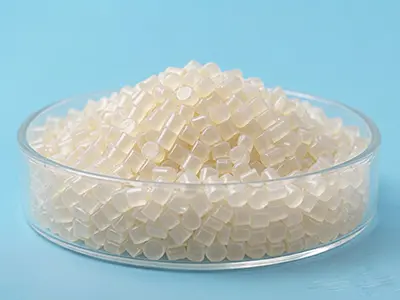
What is PET Resin? What is the Difference from Polyester?

PET resin is a saturated polyester synthesized from purified terephthalic acid and ethylene glycol, distinguished by high mechanical strength, transparency, and barrier properties, while the broader polyester family encompasses diverse members like PBT and PETG that vary in crystallization speed, melting point, and specialized application suitability.

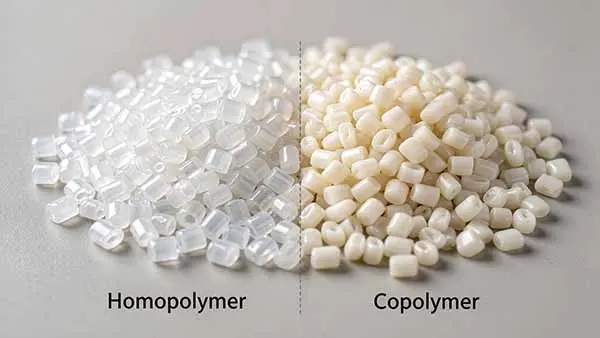
Homopolymer Plastics vs. Copolymer Plastics: What’s the Difference? A Selection Guide

Discover the key differences between homopolymer and copolymer plastics in molecular structure, mechanical properties, and applications to make the right material selection.

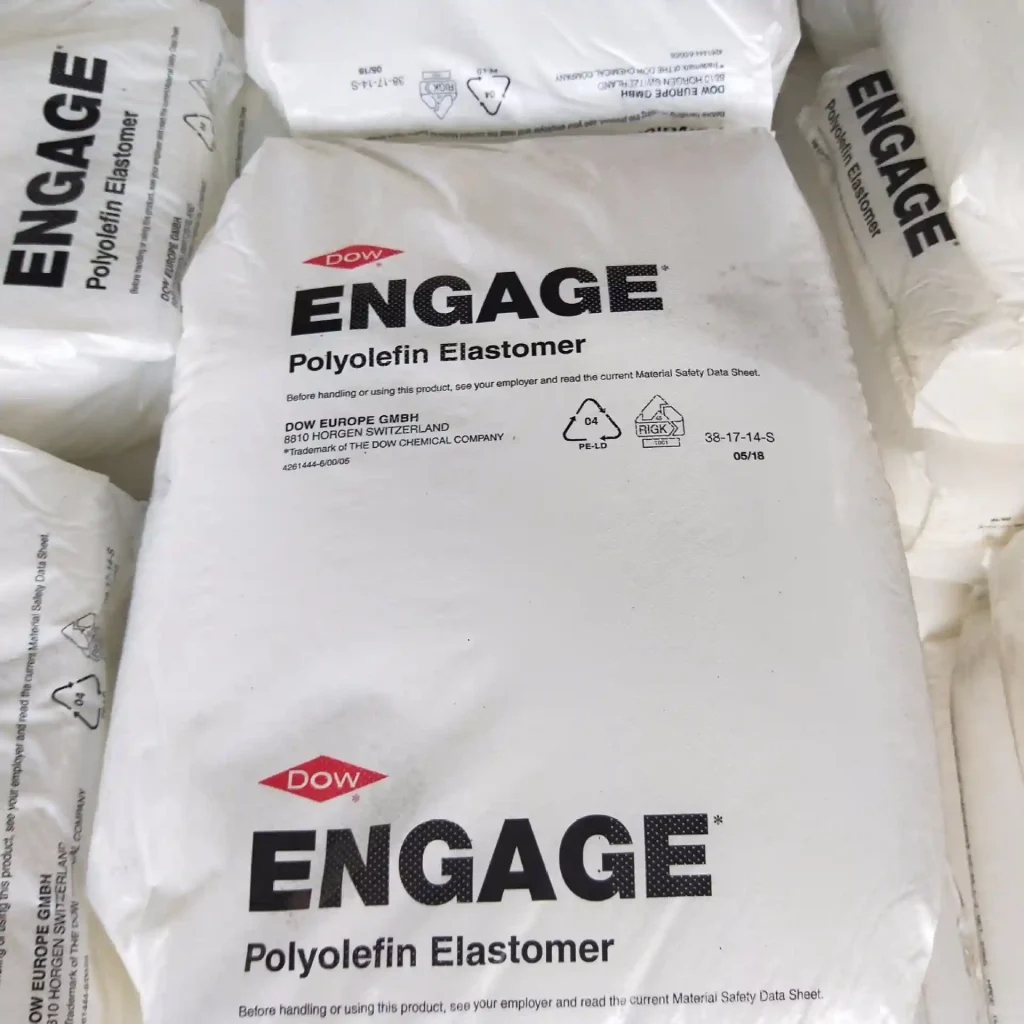
Dow Engage® 8150 POE Complete Guide: From Structural Characteristics to Industrial Applications

Dow Engage 8150 POE is a high-performance polyolefin elastomer featuring exceptional low-temperature flexibility, toughness, and processability, optimized for automotive parts, photovoltaic encapsulation, and industrial applications.

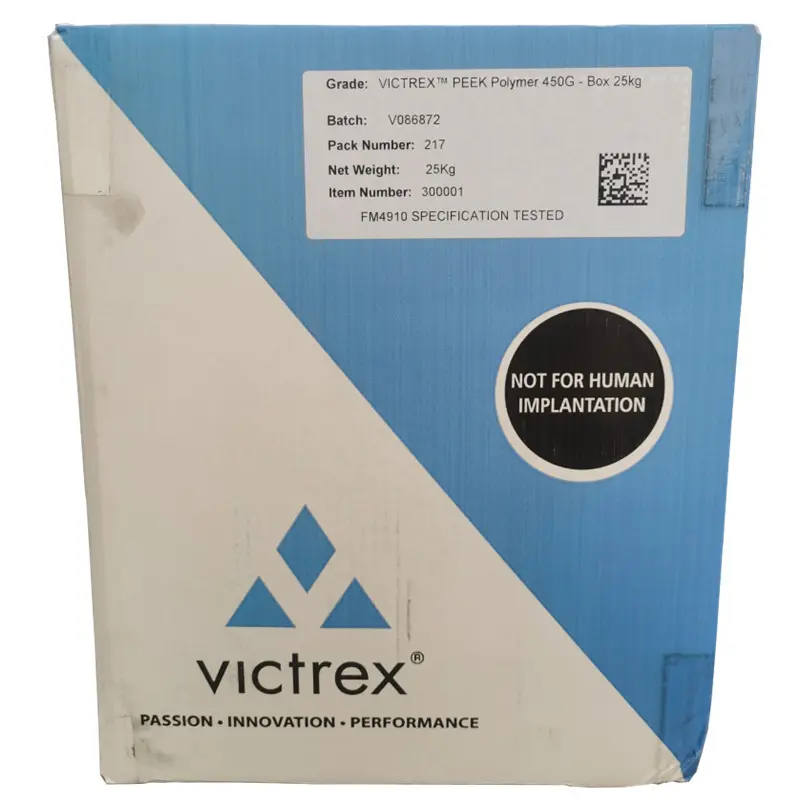
Why Choose Victrex VICTREX® 450G PEEK for High-Performance Injection Molding?

Discover the professional guide to Victrex 450G PEEK, featuring key injection molding properties, chemical resistance, processing guidelines, and application tips for engineers.

Is EVA Material Toxic?

A comprehensive guide on EVA material toxicity, exploring its chemical safety, global regulatory compliance, and essential procurement risk control strategies for B2B buyers.

SAN vs ABS vs PMMA: Injection Molding Material Comparison Guide

This article provides a comprehensive comparison of SAN, ABS, and PMMA injection molding materials, analyzing their physical properties, transparency, chemical resistance, and total costs. It serves as a guide for manufacturing professionals to make cost-effective material decisions based on production volume and functional requirements.

Is ABS Plastic Toxic?

An in-depth analysis of the safety of ABS (Acrylonitrile Butadiene Styrene) plastic. This article reveals the true risk level of ABS from multiple dimensions, including global regulatory standards, scientific evidence, and industrial applications, to help manufacturers and procurement professionals make fact-based decisions. Understand how certification systems such as FDA, CE, and RoHS ensure product safety.

What is Polypropylene (PP)?

Polypropylene (PP) is a thermoplastic polymer produced through the catalytic polymerization of propylene monomers. As one of the world's highest-volume commodity plastics, PP has become a fundamental raw material for numerous industries—from food packaging to automotive manufacturing—due to its low density, excellent chemical resistance, high heat resistance, and good mechanical strength.

What is HIPS material?

HIPS is a thermoplastic graft copolymer of styrene and polybutadiene rubber. Its "two-phase" structure—a rigid polystyrene matrix reinforced by rubber particles—enables it to absorb impact energy, providing significantly higher durability than standard polystyrene.

Finding the right polymer or plastic resin supplier?

Looking for plastic polymer or plastic resin from top polymer companies? As a reliable distributor, we offer a wide range of branded polymer to meet your needs. Share your requirements (material type, brand, quantity, packaging), and we’ll provide a fast, competitive quote.

Request Custom Material Solutions

Looking for specific polymer grades, compounding, or tailored shipping terms? Send us your requirements and uploaded files, and let our product experts handle the rest.