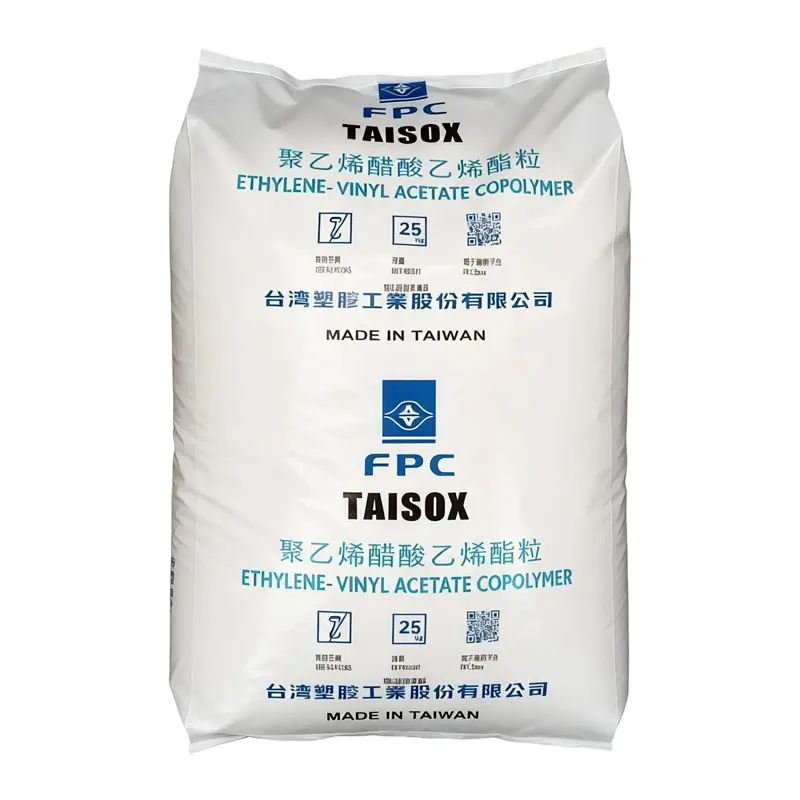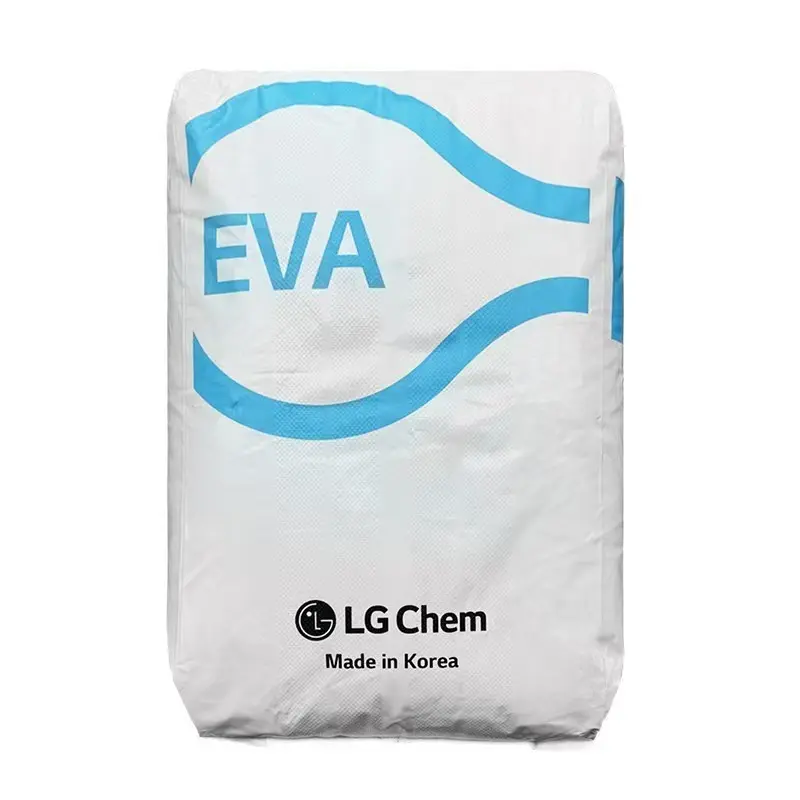
In the cross-border trade of polymer materials, the question of whether “Ethylene-Vinyl Acetate (EVA) is toxic” remains a frequent topic for both procurement and compliance departments. As a core raw material in fields such as footwear foam, photovoltaic encapsulation, and high-end packaging, the safety of EVA not only concerns the health of end consumers but also directly impacts whether goods can successfully clear customs. This article clarifies the true boundaries of EVA toxicity for international trade practitioners from the perspective of material chemical essence and global compliance practices.
Chemical Essence: The Low-Toxicity Attributes of the Polymer Body
From the perspective of polymer chemical structure, EVA is a thermoplastic resin formed by the copolymerization of ethylene and vinyl acetate . In its fully polymerized state, its molecular chain structure is stable, presenting chemical inertness at room temperature without biological activity. Acute oral toxicity test (LD50) data show that compliant EVA falls into the “practically non-toxic” category, and the International Agency for Research on Cancer (IARC) has not listed it as a carcinogen.
This characteristic makes it a common base material for food-contact packaging films, medical catheters, and infant products. U.S. FDA 21 CFR 177.1350 regulations explicitly permit EVA with specific VA content for food-contact scenarios, and the European EFSA has also approved its application in food packaging based on its low-migration characteristics. Therefore, compliant EVA resin itself poses no toxicity risk, which is the consensus foundation of the global regulatory system.
Risk Traceability: Why Global Market Perceptions of EVA Toxicity Diverge
Despite its chemical safety, controversies regarding the toxicity of EVA in global trade have never ceased. The core reason lies in the variance of variables within the supply chain rather than the material itself:
- Processing Aid Residues: In the production of EVA foam products (such as floor mats and yoga mats), if the cross-linking and foaming processes are improperly controlled, trace amounts of formamide—a substance classified as toxic to reproduction under the EU CLP regulation—may be generated or remain as a byproduct of blowing agent decomposition or additive reactions. Countries such as France and Belgium have previously issued market warnings on low-priced EVA products due to excessive formamide levels, and such incidents are often misinterpreted as “EVA is toxic.”
- Recycled Material Contamination: To cut costs, some low-cost supply chains use EVA recycled materials without strict sorting, which may be mixed with heavy metal catalyst residues or unpolymerized free vinyl acetate monomers. Such impurities may precipitate under high-temperature environments, leading to excessive emissions of volatile organic compounds (VOCs).
- Thermal Degradation Products: The thermal decomposition threshold of EVA is approximately 250°C. In irregular processing scenarios, if extrusion or injection molding temperatures get out of control, it can trigger thermal degradation reactions, releasing acetic acid (manifested as a pungent sour odor) and trace amounts of carbon monoxide. Such production environment defects may cause finished products to adsorb harmful volatile substances.
Global Compliance Frameworks: Regional Differences in Toxicity Determination
The standards for determining EVA safety are not uniform across global markets, and this regulatory fragmentation is a reality that international buyers must face:
- EU System: REACH regulations strictly restrict SVHC (Substance of Very High Concern) content, and the toy safety standard EN 71-9 sets a strict limit of ≤200mg/kg for formamide; the RoHS directive restricts the use of heavy metals such as lead and cadmium in electronic and electrical EVA products.
- North American System: The FDA focuses on the Overall Migration Limit (OML) of food-contact materials, requiring EVA migration totals in specific food simulants to meet safety standards; the Consumer Product Safety Commission (CPSC) focuses on regulating banned plasticizers such as phthalates.
- Other Markets: Access standards in parts of Southeast Asia and the Middle East largely reference Western systems, but variations exist in the degree of detail in testing items and enforcement efforts.
This means that an EVA product compliant with one market’s standards may be judged as “toxic” due to failing to meet specific limits (such as formamide or heavy metals) in a target market. Therefore, the necessity of a global perspective lies in the fact that discussing EVA toxicity detached from target market regulations is inherently imprecise.
Procurement Risk Control: How to Identify Non-Toxic Compliant EVA
For international B2B buyers, avoiding EVA toxicity risks requires establishing a standardized compliance verification process:
- Request Targeted Test Reports: Require suppliers to provide test reports issued by third-party institutions such as SGS and TÜV targeting the destination market, focusing on project data for formamide, overall migration limits, heavy metals, and SVHCs, while refusing to accept “generic compliance certificates.”
- Odor and Appearance Preliminary Screening: High-quality EVA products typically have no noticeable odor or only a slight resin scent; detecting a strong acetic acid smell strongly indicates residual VA monomer or thermal stability defects. Meanwhile, observe the cell uniformity of foam products; inferior EVA often exhibits loose structures and easy breakage due to excessive inorganic filler loading.
- Specify Material Grades: State “100% virgin material” clearly in purchase contracts and require suppliers to provide a Declaration of Conformity (DoC) specifying the VA content range and additive compliance status, mitigating recycled material contamination risks from the source.
Conclusion
Ethylene-Vinyl Acetate (EVA) material itself is non-toxic, and its widespread application in food, medical, and infant sectors has fully verified its safety. Controversies surrounding “EVA toxicity” in the global market are essentially externalized manifestations of supply chain compliance issues—inferior processing techniques, unauthorized additives, and the abuse of recycled materials are the true sources of risk. For international buyers, abandoning inherent misconceptions about material names and instead establishing compliance verification systems based on target market regulations represents the core pathway to securing supply chains and mitigating trade risks.