Introduction: An Underrated General-Purpose Thermoplastic
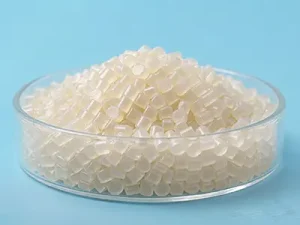
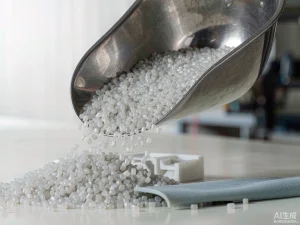
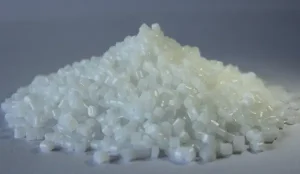
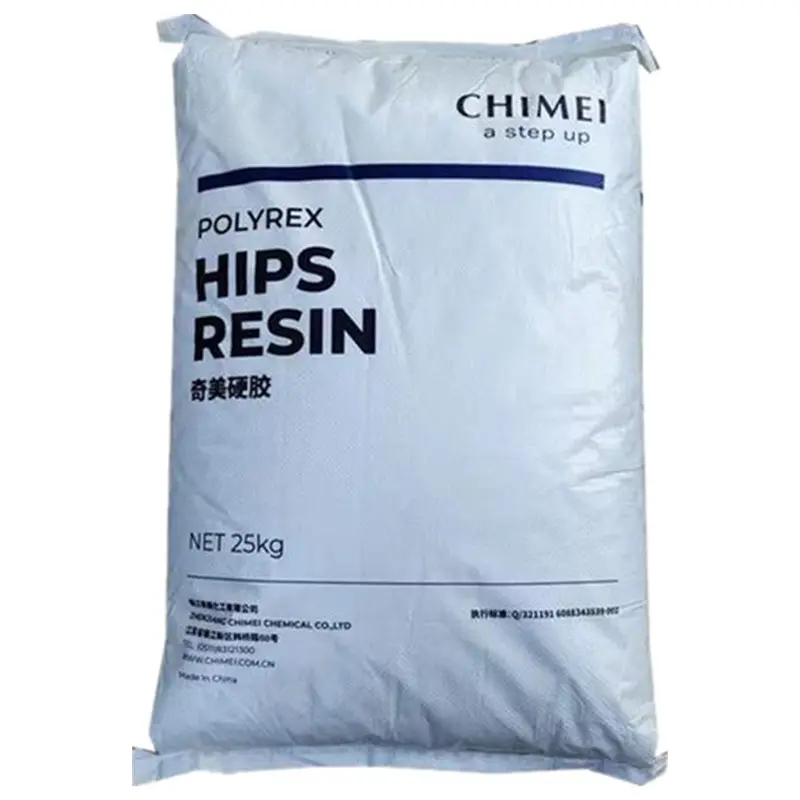
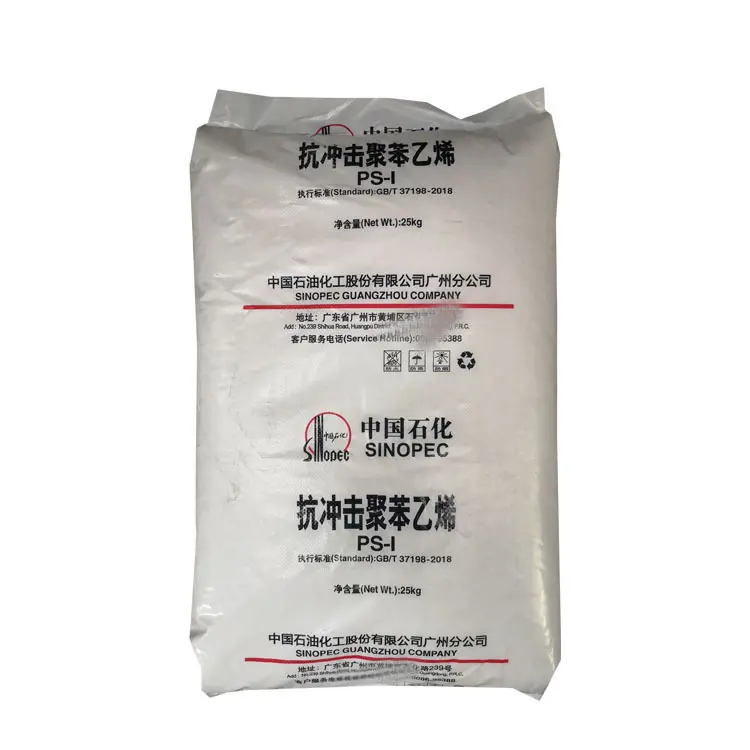
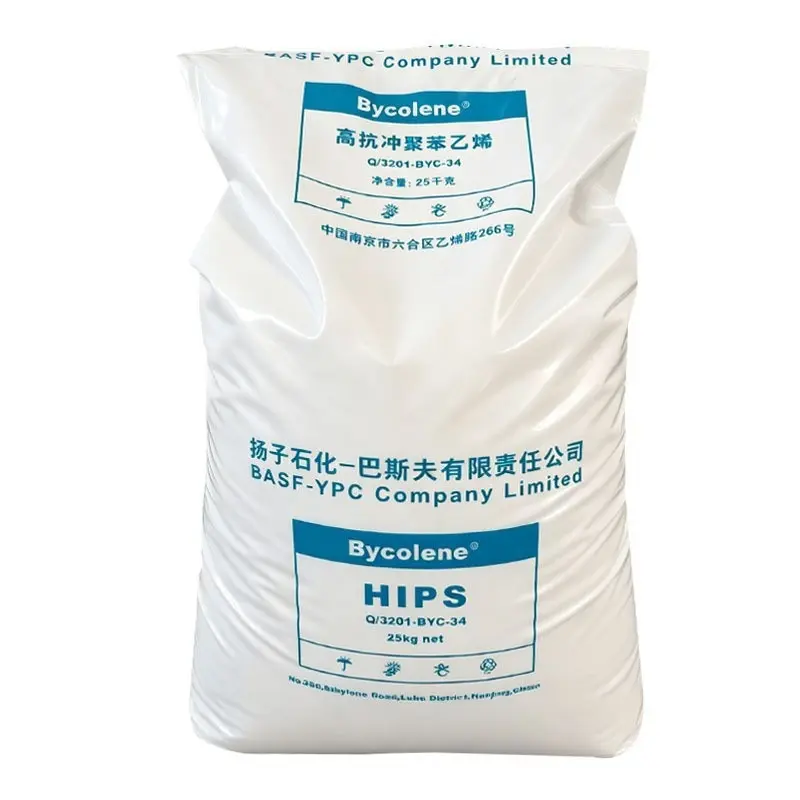
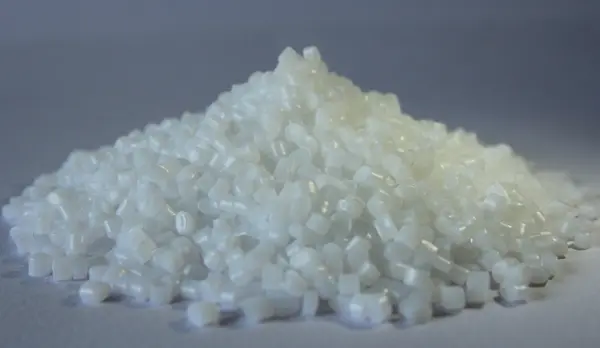
In the vast polymer family, High Impact Polystyrene (HIPS) is often viewed as a basic raw material rather than a high-performance engineering plastic. However, it is these seemingly ordinary opaque black or white pellets that form the cornerstone of products ranging from supermarket yogurt cups to high-end appliance housings. For product designers, mold engineers, and procurement decision-makers, accurately understanding the physical limits and processing characteristics of HIPS is key to balancing cost control with product reliability.
Chemical Nature and Toughening Mechanism of HIPS
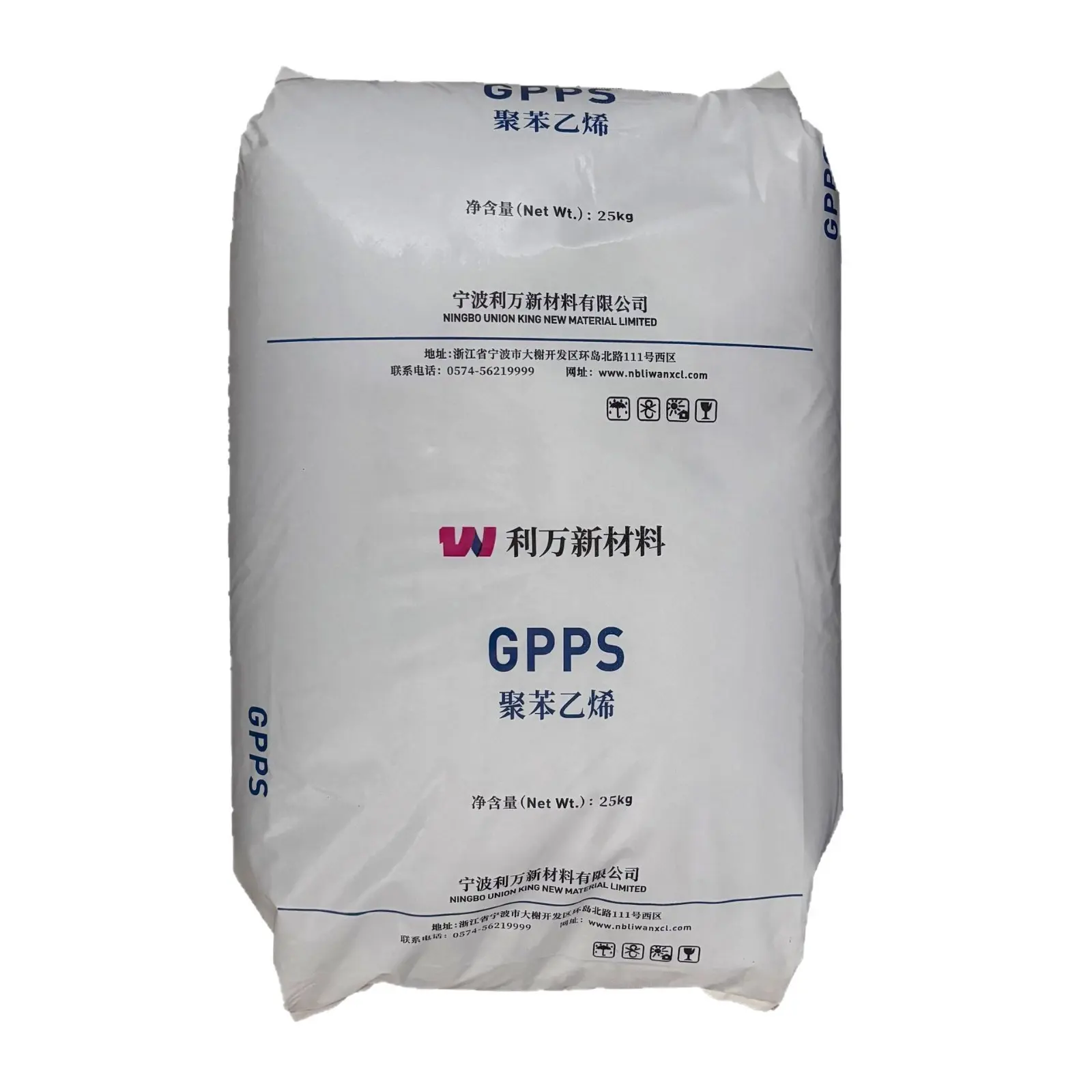
HIPS stands for High Impact Polystyrene. Chemically, it is a graft copolymer of styrene monomer and polybutadiene rubber. Its core mechanism lies in its “two-phase structure”: the continuous polystyrene matrix provides rigidity and processability, while the dispersed polybutadiene rubber particles act as “energy absorbers.” When the material is subjected to impact, the stress field around the rubber particles triggers crazing, thereby dissipating energy and preventing cracks from propagating further. This is why HIPS, despite being opaque (due to light scattering caused by rubber particles), possesses several times the impact strength of general-purpose polystyrene (GPPS).
Core Performance Indicators and Processing Advantages
HIPS spans multiple manufacturing sectors primarily due to its unique balance of properties:
- Excellent Mechanical Toughness: This is the most notable characteristic of HIPS. It can withstand drops and rough handling, significantly reducing breakage rates in end products.
- Superior Processability: HIPS has a wide melting temperature range (typically 180°C–230°C) and excellent flowability, making it particularly suitable for large-area, thin-walled thermoforming, as well as high-speed injection molding.
- Outstanding Surface Decoration Compatibility: The resistance of HIPS to polar solvents makes it highly receptive to paints, silk-screen inks, and adhesives. Furthermore, its high surface polarity allows for vacuum metallizing or lamination without pre-treatment.
- Dimensional Stability: Low mold shrinkage ensures geometric precision in complex structural parts after cooling, which is vital for multi-component assembly (such as printer housings).
Analysis of Typical Application Scenarios
Due to its favorable balance between cost-effectiveness and physical performance, HIPS is widely used in non-transparent application fields:
- Food Packaging and Disposable Containers: Using food-grade HIPS grades that comply with FDA and other standards, it is used extensively for producing yogurt cups, fruit containers, deli trays, and egg cartons.
- Household Appliance Structural Parts: HIPS is commonly used for internal structural parts such as TV back covers, air conditioner vents, and washing machine control panels, meeting HB-level flame retardancy requirements while reducing material costs.
- Toys and Office Supplies: Building blocks, assembly models, and folder housings utilize its rigidity and ease of coloration for mass, low-cost production.
- Medical Device Housings: Non-implantable medical equipment housings and laboratory consumables (such as petri dishes) are selected for their good tolerance to gamma-ray sterilization.
New Industry Trends: Application of PCR Recycled Materials
With the development of a circular economy, traditional virgin HIPS is undergoing a green transition. Post-Consumer Recycled (PCR) HIPS is gradually becoming a market mainstream. Major petrochemical companies have developed HIPS grades containing up to 70% PCR content, which maintain original impact strength while significantly reducing carbon footprints. For manufacturers, selecting suppliers with GRS (Global Recycled Standard) certification has become a necessary condition for entering certain high-end retail supply chains.
Conclusion
In summary, HIPS is not used simply because it is inexpensive, but because it offers irreplaceable cost-performance and processing freedom in specific application scenarios. As a mature thermoplastic, HIPS will remain a core material in the packaging, appliance, and consumer goods manufacturing sectors in the foreseeable future. A deep understanding of its toughening mechanism and processing window will help enterprises make more forward-looking decisions in supply chain management.