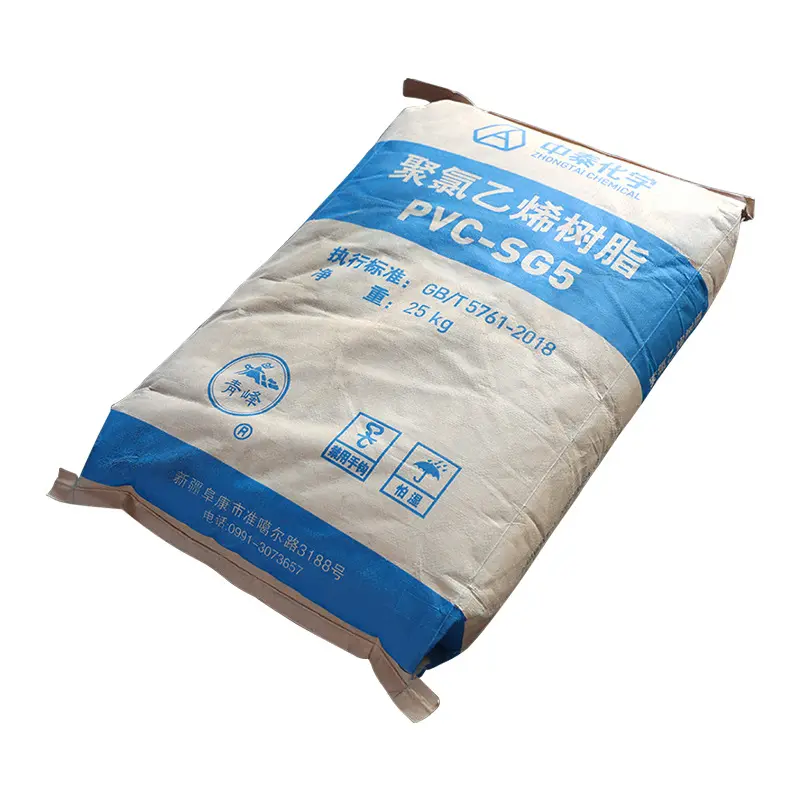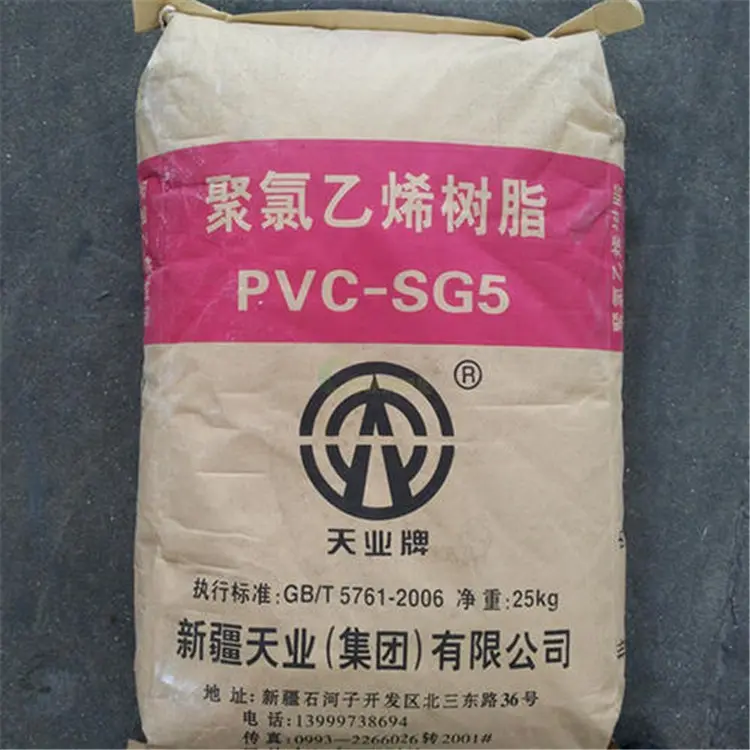
Polyvinyl Chloride (PVC) is recyclable. Since PVC is a thermoplastic, its molecular structure can be repeatedly softened and reshaped under heated conditions, which provides the foundation for mechanical recycling. However, the core challenge of PVC recycling does not lie in “whether it can be done,” but rather in “how to sort it” and “how to handle the additives.”
Mechanical Recycling: The Most Mainstream Industrial Method
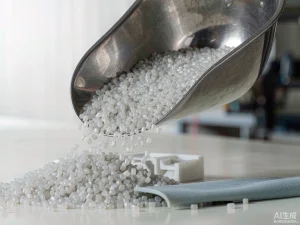
Mechanical recycling refers to the process of sorting, crushing, washing, melting, and extruding waste PVC into pellets without altering its molecular structure.
- Sorting is Key: Rigid PVC (such as pipes, window and door profiles) and flexible PVC (such as cables, films) must be processed separately because the proportion of plasticizers contained in the two is completely different.
- Process Characteristics: This method features low energy consumption and low cost, and it is currently the primary approach for processing waste pipes and profiles in Europe and China. The resulting pellets are known as r-PVC (Recycled PVC).
Chemical Recycling: A Solution for Complex Waste
For PVC waste that is contaminated, multi-layer composite, or difficult to physically sort, chemical recycling (such as pyrolysis) is typically adopted.
- Principle: Through high-temperature decomposition, PVC is reverted back into hydrogen chloride and hydrocarbon raw materials.
- Advantages: It can effectively remove stabilizers and plasticizers mixed within, resolving the impurity issues that mechanical recycling cannot handle, thereby achieving a closed-loop return of the material.
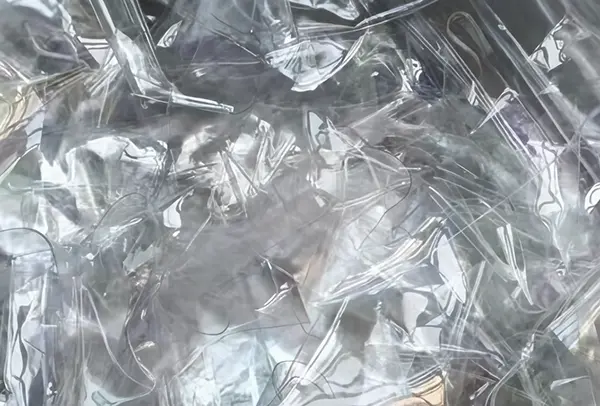
What is the Difference Between Recycled Material (r-PVC) and Virgin Material?
Recycled PVC exhibits certain differences in performance compared to virgin material, which primarily depends on the purity of the recycled feedstock:
- Color: Due to the complex sources, r-PVC usually appears gray or dark, making it difficult to achieve the pure white of virgin material.
- Thermal Stability: After one or multiple rounds of processing, the thermal stability of PVC will decrease, typically requiring the re-addition of stabilizers for adjustment.
- Mechanical Properties: If sorting is thorough, the strength of rigid PVC recycled material is very close to that of virgin material; however, if flexible PVC is mixed in, the rigidity will be reduced.
Practical Application Fields of Recycled PVC
Due to limitations in color and stability, recycled PVC is generally not used in fields requiring high transparency or high hygiene standards (such as food packaging and medical devices), but is instead heavily applied in:
- Building Materials: PVC flooring, acoustic underlayments, drainage pipes, and cable trays.
- Outdoor Facilities: Park benches, bollards, and protective railings.
- Industrial Products: Cable sheathing, non-pressure pipes, and shoe sole materials.
Conclusion
PVC is not only recyclable, but its recycling technology has already established an industrial foundation. Although recycled material is inferior to virgin material in appearance and thermal stability, its cost-effectiveness and environmental value make it an irreplaceable choice in the building materials and industrial sectors. For buyers, understanding the performance boundaries of r-PVC is essential to correctly match it with the appropriate application scenarios.