2026 Global SEBS Market Trends: Regional Supply-Demand Imbalances Become a Core Procurement Pain Point
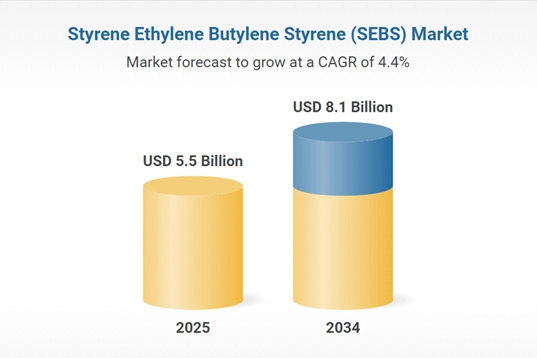
As a mainstream eco-friendly thermoplastic elastomer, SEBS (styrene-ethylene-butylene-styrene block copolymer) continues to see rising penetration rates as a replacement for traditional rubber and flexible PVC, thanks to its four core material properties: non-vulcanization, recyclability, weather resistance/anti-aging, and low VOCs. Latest data indicates that the global SEBS market size will reach 1.98 billion USD in 2026, maintaining a compound annual growth rate (CAGR) of 3.49% from 2026 to 2033. Global production capacity is concentrated in East Asia, North America, and Western Europe, with 72% of high-end modified SEBS capacity monopolized by leading petrochemical enterprises.
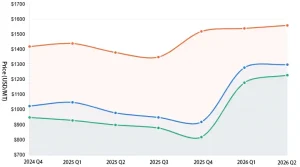
Currently, contradictions on the global procurement side are prominent: domestic facilities in Europe and North America have experienced an increased frequency of maintenance turnarounds, extending spot lead times to 8–12 weeks; small and medium-sized buyers in Southeast Asia and Latin America face cumbersome cross-border documentation and non-interoperable regional compliance standards; quarterly fluctuations in crude oil and styrene feedstocks have reached up to 17%, making cost control more difficult. Securing stable spot supply, ensuring full-region compliance, maintaining consistent batch-to-batch material properties, and utilizing cross-border one-stop logistics have become core procurement demands and competitive barriers.
Updates to Mainstream Global Regional Compliance Regulations Raise SEBS Procurement Barriers
In 2026, multiple countries updated their compliance details for elastomer materials, and non-compliant raw materials will directly face the risk of customs rejection and return. Three core regional standards have been fully implemented:
- European Union: The latest REACH SVHC update added 8 controlled substance items for elastomer additives; food-grade and automotive interior-grade SEBS must provide third-party testing reports for each batch, and the addition of phthalate plasticizers and polycyclic aromatic hydrocarbons (PAHs) is strictly prohibited.
- North America: Mandatory verification is now enforced for FDA 21 CFR food contact and UL wire and cable specialized SEBS tiered certifications.
- ASEAN: The ASEAN eco-friendly material catalog has been updated, requiring low-VOC modified SEBS for entry into daily necessities and downstream footwear sectors.
Most general bulk SEBS available on the market possesses only basic RoHS qualifications, making it inadequate for multi-regional cross-border orders. If buyers handle tiered compliance certifications independently, the testing cost per batch exceeds 3,200 USD, and the certification cycle can last up to 4 months, easily delaying the production of new downstream products.
Downstream Segment Demand Iterations Reshape High-Performance Thermoplastic Elastomer Procurement Standards
The low-carbon and lightweight transformation of global downstream industries is accelerating the elimination of legacy general-purpose SEBS grades. Three high-demand sectors have completely restructured procurement selection standards:
- Automotive Industry: New energy vehicle interior soft-touch components and sealed wiring harnesses specify the use of low-odor, UV-resistant SEBS, requiring a batch-to-batch melt flow rate error of ≤3% to accommodate automated injection molding production lines.
- Hot Melt Adhesive Industry: Hygiene, packaging, and industrial composite hot melt adhesives strictly demand powder-grade, high-cohesive-strength specialized SEBS to accommodate solvent-free eco-friendly manufacturing processes.
- Medical and Civil Modification: Medical tubing, infant products, and outdoor plastic accessories mandatorily require modified SEBS raw materials that feature biocompatibility and recyclability.
Currently, general-purpose grades face overcapacity, while high-end specialized SEBS remains in short supply. Blindly purchasing low-priced general SEBS easily leads to finished product scrap or export failures due to non-compliant qualifications, which ultimately raises comprehensive manufacturing costs.
Global Supply Chains Under Pressure: Evaluation of Mainstream Supply Models and Procurement Risk-Mitigation Solutions
Global SEBS producers are currently divided into two major categories: leading multinational petrochemical giants and regional small-to-medium modified plastics factories. Multinational giants offer stable quality but come with high minimum order quantities (MOQs) and weak customization flexibility; regional factories provide flexible MOQs but suffer from large batch-to-batch property deviations and higher cross-border supply risks. Global industrial buyers utilize four main risk-mitigation solutions:
- Upstream Price Locking: Cooperating directly with refineries to sign annual raw material contracts to hedge against market volatility driven by crude oil and styrene, suitable for large modification enterprises with an annual consumption exceeding 1,000 tons.
- Tiered Compliance Stocking: Separating procurement into general-grade, automotive interior-grade, and food contact-grade SEBS, and verifying regional import qualifications in advance to eliminate customs rejection risks.
- Material Property Acceptance Control: Requiring suppliers to meet a strict batch error standard of ≤3% for melt index, hardness, and VOC content to fit automated production lines and reduce downtime losses during tuning.
- Dual-Supplier Layout: Implementing a combination model of local suppliers + overseas backup suppliers to hedge against supply disruption risks caused by factory maintenance turnarounds, geopolitical trade issues, and logistics shutdowns.
Summary Conclusion
The global SEBS industry in 2026 has completely bid farewell to the era of low-price, extensive procurement. Complete compliance qualifications, long-term supply stability, and grade customization capabilities have become the core criteria for selection among overseas buyers. Over the next 1–3 years, building a tiered supplier framework, setting up compliance qualifications in advance, and optimizing multi-category inventory structures will serve as the core strategies for global rubber and plastics downstream enterprises to manage procurement costs and minimize compliance-related shutdown risks.