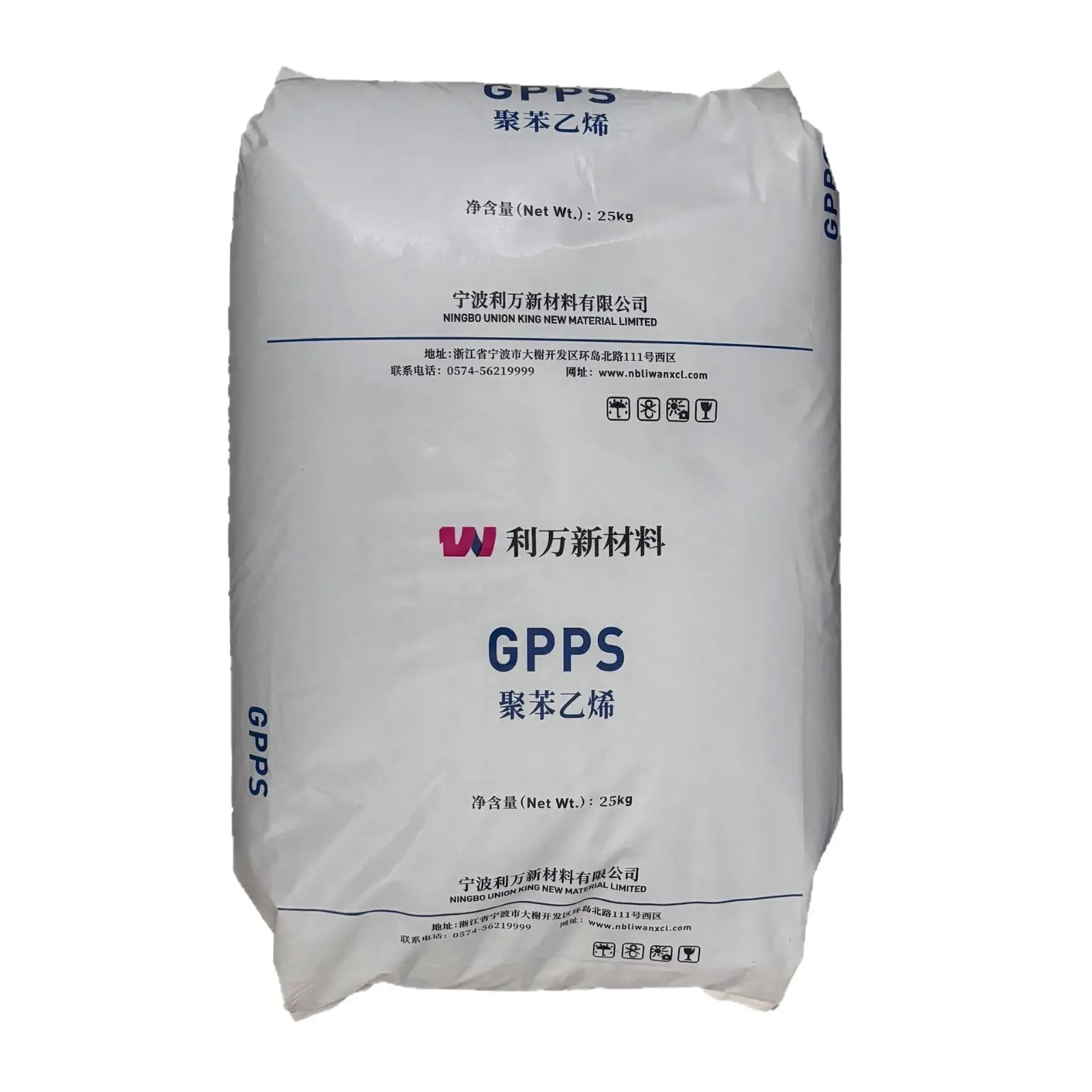
Product Overview & Key Features
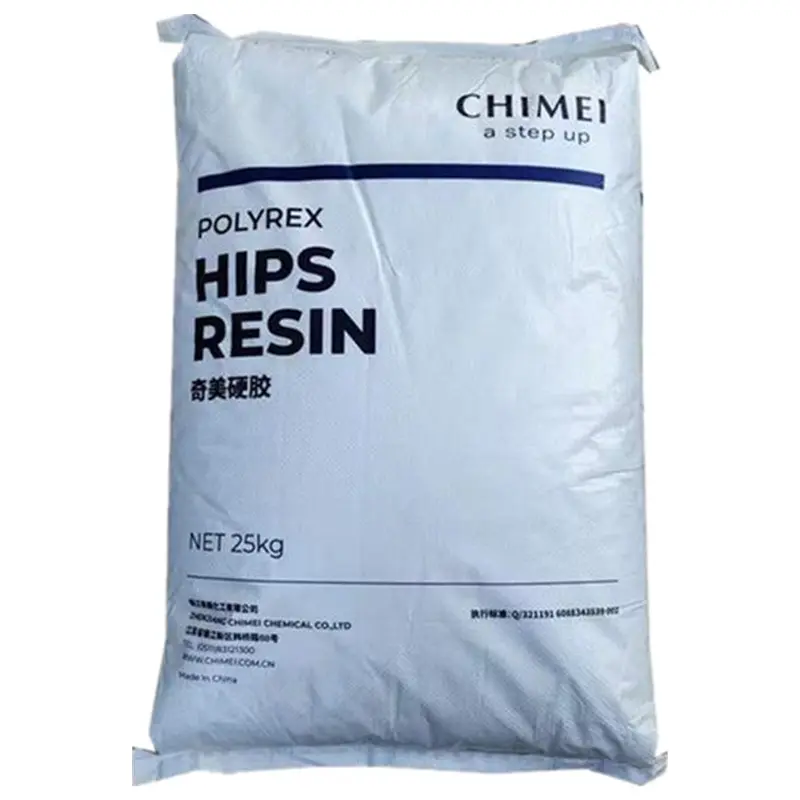
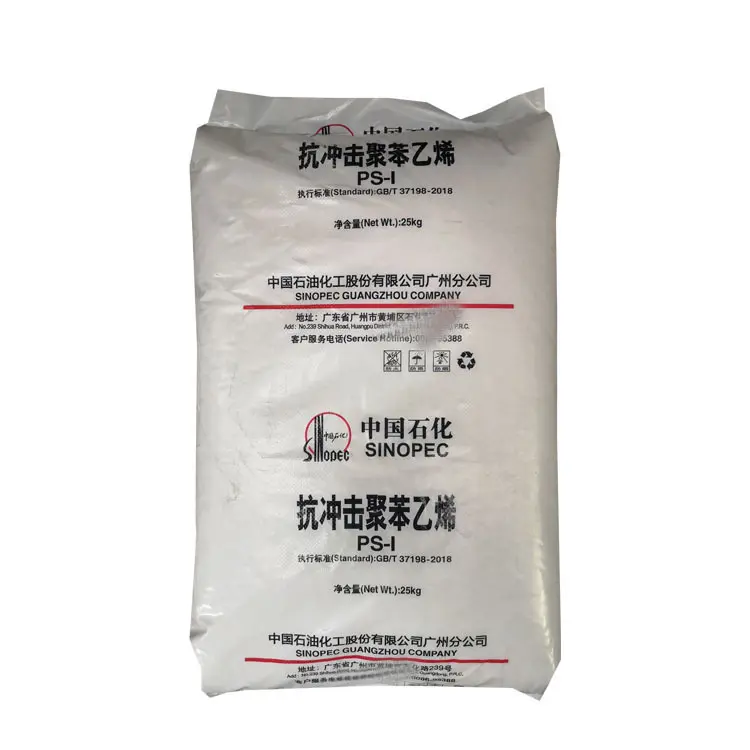
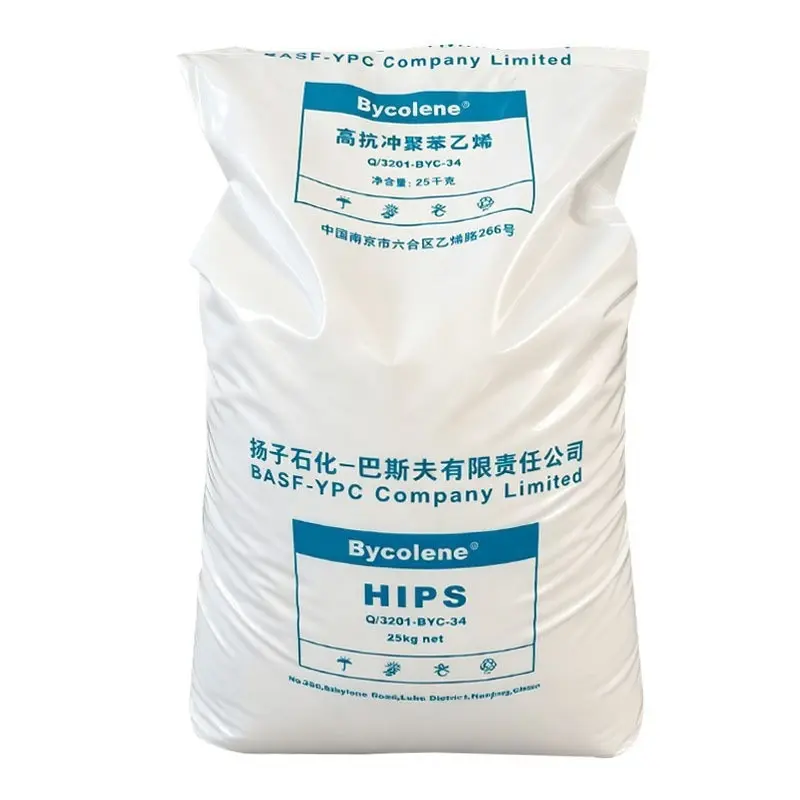
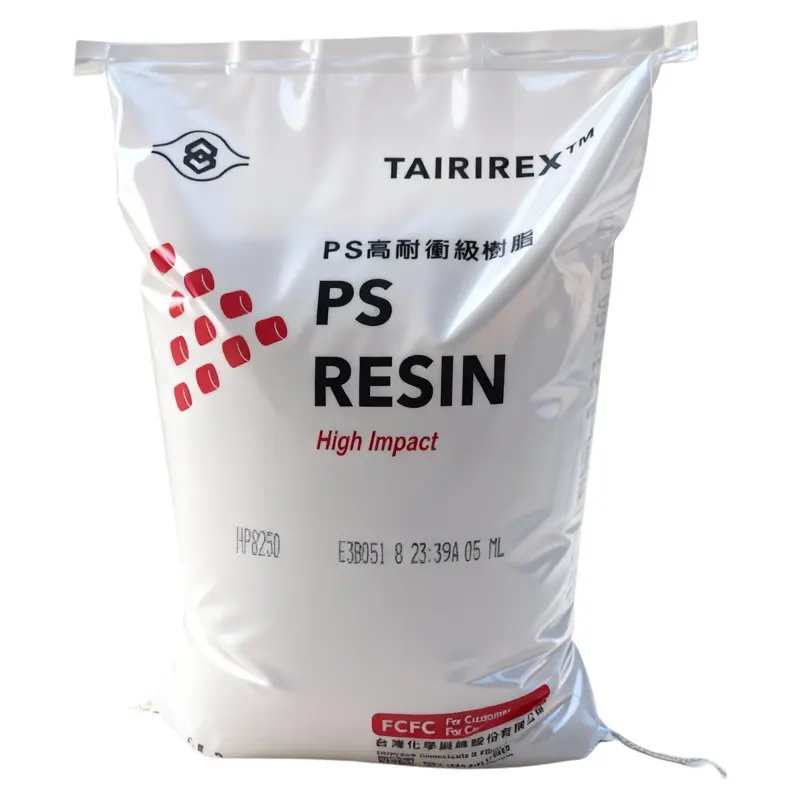
Ningbo Leewan HIPS HP 825 is a high-impact polystyrene (HIPS) plastic resin manufactured by Ningbo Leewan. As a styrene-based modified copolymer resin, this grade incorporates a rubber-modified phase into the polystyrene (GPPS) matrix, significantly enhancing the material’s impact resistance and structural toughness.
HP 825 is an industrial injection-molding grade general-purpose resin featuring balanced mechanical strength, good dimensional stability, and excellent melt flow properties. During processing, it demonstrates a broad processing window and outstanding mold replication capability, yielding molded products with high surface flatness and low shrinkage. Widely utilized in home appliance housings, electrical and electronic structural parts, daily plastic products, and packaging trays, it serves as a highly cost-effective engineering structural material choice for high-volume industrial manufacturing.
Technical Specifications
Physical Properties
| Item | Test Condition | Value | Unit | Test Method |
| Melt Flow Rate (MFR) | 200°C, 5 kg | 4.6 | g/10min | GB/T 3682.1-2018 |
Mechanical Properties
| Item | Test Condition | Value | Unit | Test Method |
| Flexural Modulus | 2 mm/min | 1950 | MPa | GB/T 9341-2008 |
| Izod Unnotched Impact Strength | 23°C | 10 | kJ/m² | GB/T 1043-2008 |
| Tensile Strength | 50 mm/min | 25.4 | MPa | GB/T 1040.2-2006 |
| Flexural Strength | 2 mm/min | 43.4 | MPa | GB/T 9341-2008 |
Thermal Properties
| Item | Test Condition | Value | Unit | Test Method |
| Vicat Softening Temperature | 50°C/h, 10 N | 92.5 | °C | GB/T 1633-2000 |
Notice: The technical specifications for Ningbo Leewan HIPS HP 825 provided herein are compiled from data published by Ningbo Leewan or certified third-party testing laboratories. While prepared with professional diligence, these values serve as reference guidelines rather than absolute performance guarantees. Because molding and processing conditions vary significantly across operational environments, we recommend performing trial runs with HIPS HP 825 under your actual manufacturing conditions prior to final material selection and mass production.
Features & Benefits
- Good Impact Resistance & Structural Toughness: Achieves an Izod unnotched impact strength of 10 kJ/m², effectively enhancing the drop resistance and impact performance of thin-walled or complex structural components during assembly and daily use, thereby reducing breakage rates.
- High Rigidity & Load-Bearing Stability: Boasts a flexural modulus of up to 1950 MPa and a tensile strength of 25.4 MPa, providing excellent deformation resistance for enclosure parts and structural supports to ensure long-term dimensional stability in service.
- Balanced Melt Flowability & Smooth Mold Filling: Features a melt flow rate (MFR) of 4.6 g/10min (200°C/5kg), maintaining a steady flow rate during injection mold filling. This minimizes molding defects such as warpage, sink marks, and weld lines, thereby improving production cycle times.
- Reliable Thermal Performance: Reaches a Vicat softening point of 92.5°C, satisfying the heat resistance requirements for common household appliance housings and indoor electronic equipment under ambient to moderate operating temperatures.
Applications & Processing Guidelines
Typical Applications
- Home Appliances & Electronic Enclosures: Television back covers, small appliance components (such as electric fans, air purifiers, water dispensers), and audio equipment housings.
- Consumer Goods & Industrial Components: Storage boxes, tote crates, daily plastic stationery, toy housings, and internal module frames.
- Packaging & Industrial Trays: Rigid plastic packaging liners and anti-static tray substrates for electronic components.
Injection Molding Processing Guidelines
- Drying: HIPS has low hygroscopicity and can typically be processed directly without drying. If the raw material has been stored in a hot and humid environment for an extended period or if high surface gloss is required, pre-drying at 70°C–80°C for 1–2 hours is recommended to ensure moisture content remains below 0.1%.
- Barrel Processing Temperatures:
- Rear Zone (Feed Zone): 180°C – 200°C
- Middle Zone (Compression Zone): 200°C – 220°C
- Front Zone (Metering Zone): 210°C – 230°C
- Nozzle Temperature: 200°C – 220°C
- Mold Temperature: Recommended setting is 40°C–60°C. Higher mold temperatures help improve product surface gloss and reduce internal stress.
- Injection & Holding Pressure: Set medium to high injection pressures based on wall thickness and structural complexity. Control holding pressure at 50%–70% of injection pressure to prevent sink marks.
Frequently Asked Questions (FAQs)
Q1: Must Ningbo Leewan HIPS HP 825 be dried prior to injection molding?
A: HIPS is a non-hygroscopic polymer with extremely low water absorption (typically below 0.1%). If stored in a dry, sealed warehouse, it can generally be injection molded directly without pre-drying. However, during high-humidity seasons, after prolonged exposure, or when supreme surface appearance is demanded (to avoid silver streaks or bubbles), drying in a hot air dryer at 75°C for 1–2 hours is recommended.
Q2: What is the main difference between HIPS HP 825 and General Purpose Polystyrene (GPPS), and how should I select between them?
A: The primary differences lie in toughness and transparency:
- GPPS (General Purpose Polystyrene): Offers extremely high transparency and high rigidity, but is brittle with poor impact resistance. It is suitable for highly transparent products subjected to minimal mechanical stress.
- HIPS HP 825 (High Impact Polystyrene): Contains a rubber-modified phase, rendering it an opaque milky white color. Its impact strength and toughness are significantly higher than GPPS, making it suitable for non-transparent parts requiring drop resistance, impact protection, and structural load-bearing capacity.
Q3: Is HIPS HP 825 with an MFR of 4.6 g/10min suitable for thin-walled injection molding?
A: An MFR of 4.6 g/10min (200°C/5kg) represents a medium-flowability injection molding grade, capable of fulfilling mold filling requirements for most conventional wall thicknesses (1.5mm–3.5mm) and medium-sized parts. For extremely thin-walled (<1.0mm) or long-flow structures, mold filling can be improved by appropriately raising barrel temperatures (220°C–230°C) and injection speeds; if higher flowability is required, please consult us for alternative HIPS grades with higher MFR values.