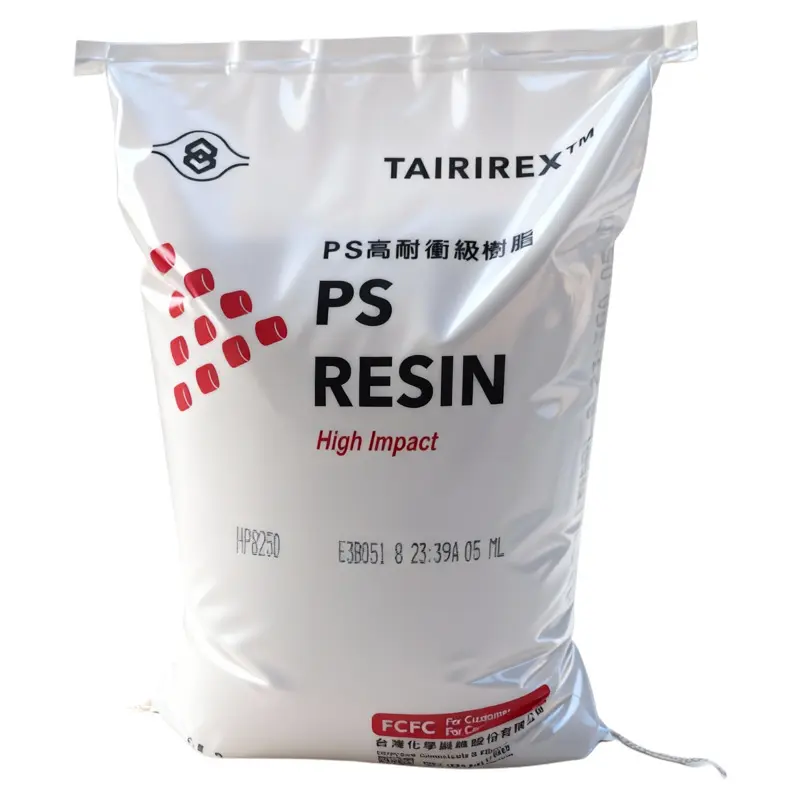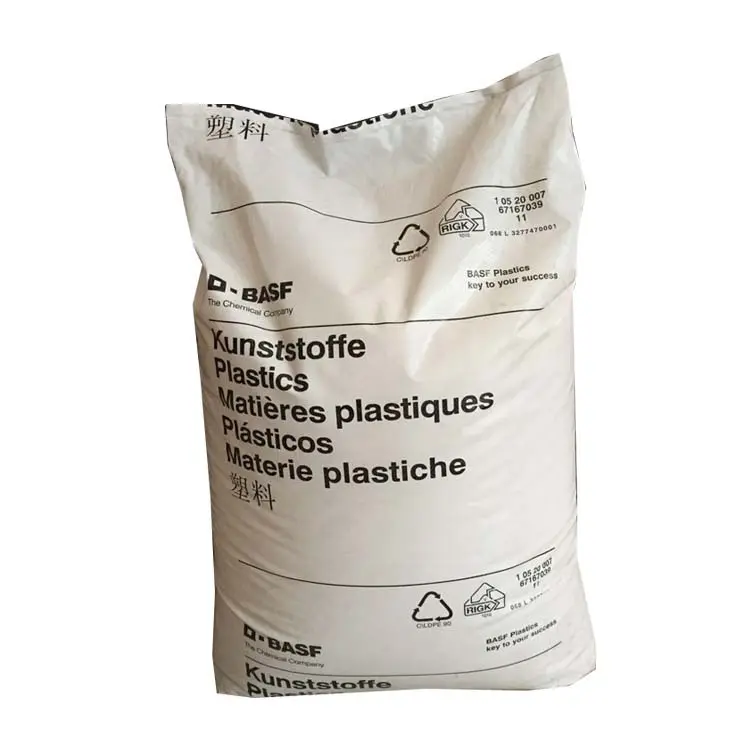
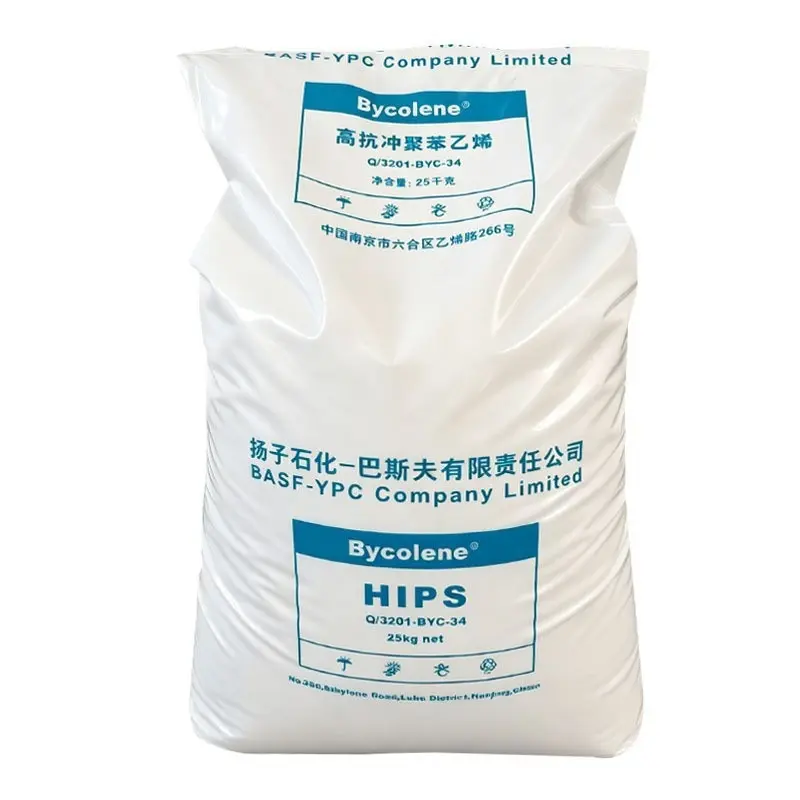
Product Overview & Key Features
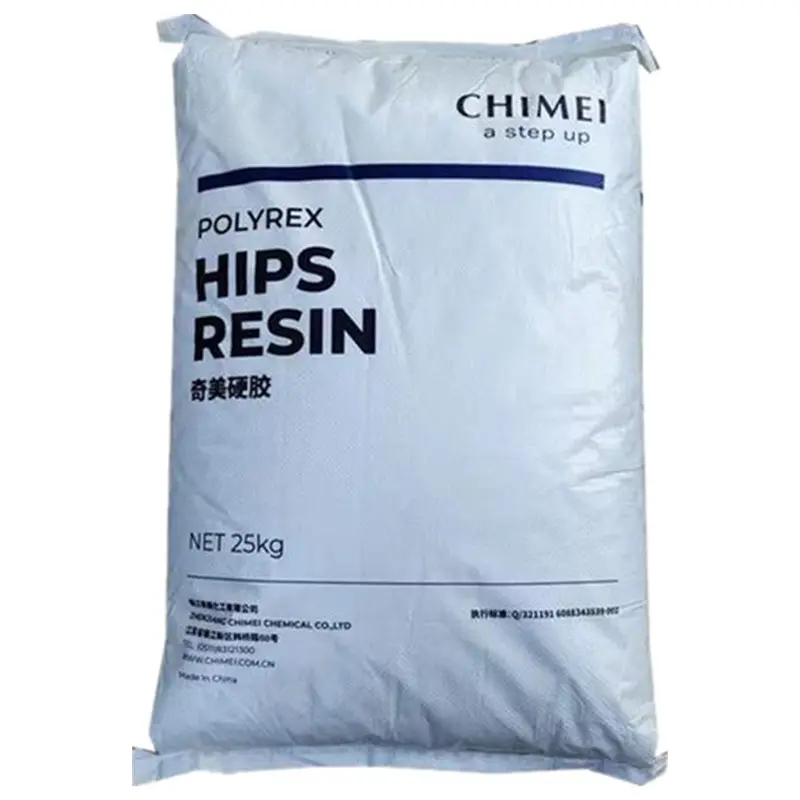
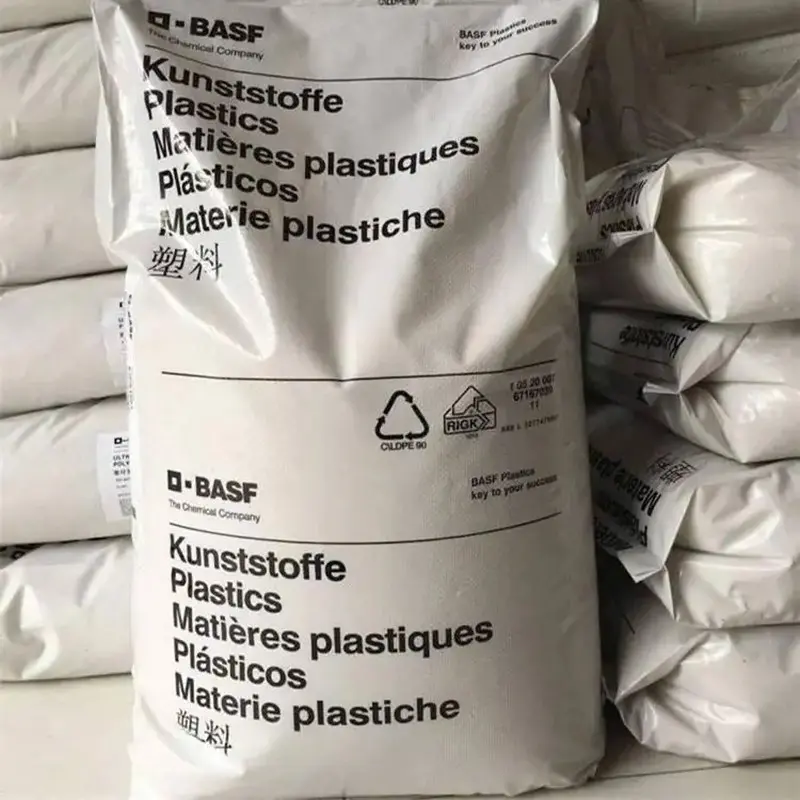
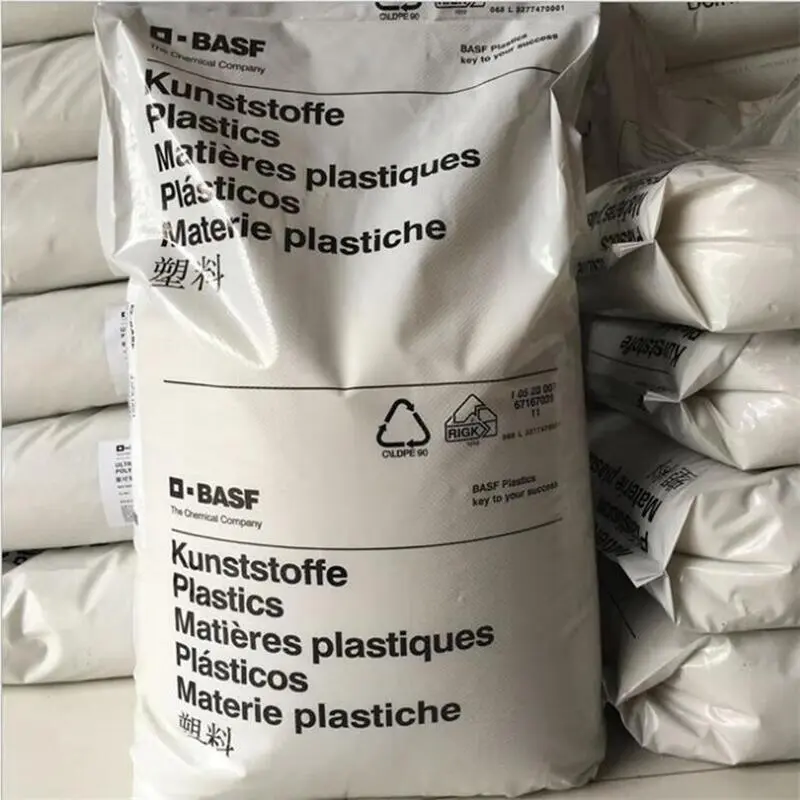
476L HIPS is researched and manufactured by BASF, belonging to the Polystyrol® polystyrene product series, with the material classification of high-impact polystyrene (HIPS). The physical appearance of the product is natural-colored pellets. This grade possesses a favorable balance in mechanical strength, impact resistance, and processing fluidity, and has a broad application foundation in the fields of industrial manufacturing and plastics processing. The material features the inherent toughness and molding stability of regular high-impact polystyrene, primarily adapted to injection molding and extrusion molding processes, and is widely used in the manufacturing of various structural components, housings, and molded parts.
Technical Specifications
Physical Properties
| Property | Test Condition | Test Value | Test Unit | Test Standard |
| Water Absorption | — | < 0.1 | % | ISO 61 |
| Melt Volume-Flow Rate (MVR) | 200Ā°C, 5 kg | 5 | cmĀ³/10min | ISO 1133 |
| Density | — | 1.05 | g/cmĀ³ | ISO 1183 |
| Mold Shrinkage | — | 0.4 to 0.7 | % | Internal Method |
Mechanical Properties
| Property | Test Condition | Test Value | Test Unit | Test Standard |
| Tensile Yield Strength | — | 23 | MPa | ISO 527 |
| Rockwell Hardness | L Scale | 50 | — | ASTM D785 |
| Flexural Modulus | — | 1850 | MPa | ISO 527 |
| Charpy Notched Impact Strength | 23°C | 11 | kJ/m² | ISO 180 |
| Tensile Strain at Break | — | 50 | % | ISO 527 |
| Flexural Strength | — | 37 | MPa | ISO 178 |
| Charpy Unnotched Impact Strength | -30°C | 130 | kJ/m² | ISO 179/1eU |
| Charpy Notched Impact Strength | 23°C | 11 | kJ/m² | ISO 179/1eA |
Thermal Properties
| Property | Test Condition | Test Value | Test Unit | Test Standard |
| Deflection Temperature Under Load | 0.45 MPa | 83 | °C | ISO 75 |
| Melting Point | Injection Molding | 180 to 260 | °C | Internal Method |
| Melting Point | Extrusion Molding | 180 to 220 | °C | Internal Method |
| Vicat Softening Temperature | 50 N, 50°C/h | 90 | °C | ISO 306 |
Electrical Properties
| Property | Test Condition | Test Value | Test Unit | Test Standard |
| Volume Resistivity | — | >10^14 | ohms·cm | IEC 6093 |
Flame Retardant Properties
| Property | Test Condition | Test Value | Test Unit | Test Standard |
| Flammability | — | 94HB | — | UL 94 |
Other Properties
| Property | Test Condition | Test Value | Test Unit | Test Standard |
| Charpy Impact Strength | 23°C | No Break | kJ/m² | ISO 179/1eU |
Injection Molding
| Property | Test Condition | Test Value | Test Unit | Test Standard |
| Injection Mold Temperature | — | 10 to 60 | °C | — |
Disclaimer: The technical specifications for BASF Polystyrol 476L HIPS presented herein are derived from data issued by BASF or certified third-party testing institutions. While we have made every effort to ensure the accuracy of the information provided, we assume no liability for any consequences arising from the use of BASF Polystyrol 476L HIPS based on these data. Given the variables involved in processing conditions, we strongly recommend conducting thorough trials of BASF Polystyrol 476L HIPS under your specific operational environment prior to final material selection.
Applications & Processing Guidelines
- Typical Application Working Conditions: Widely suitable for household appliance housings, electronic and electrical structural parts, daily consumer goods, toys, and various sheet extrusion products.
- Processing Temperature Settings: The processing temperature for injection molding is recommended to be controlled between 180°C and 260°C; the processing temperature for extrusion molding is recommended to be controlled between 180°C and 220°C.
- Mold Temperature Control: The injection mold temperature is recommended to be maintained within the range of 10°C to 60°C to ensure the dimensional stability and surface appearance of the finished products.
Logistics, Packaging & Compliance
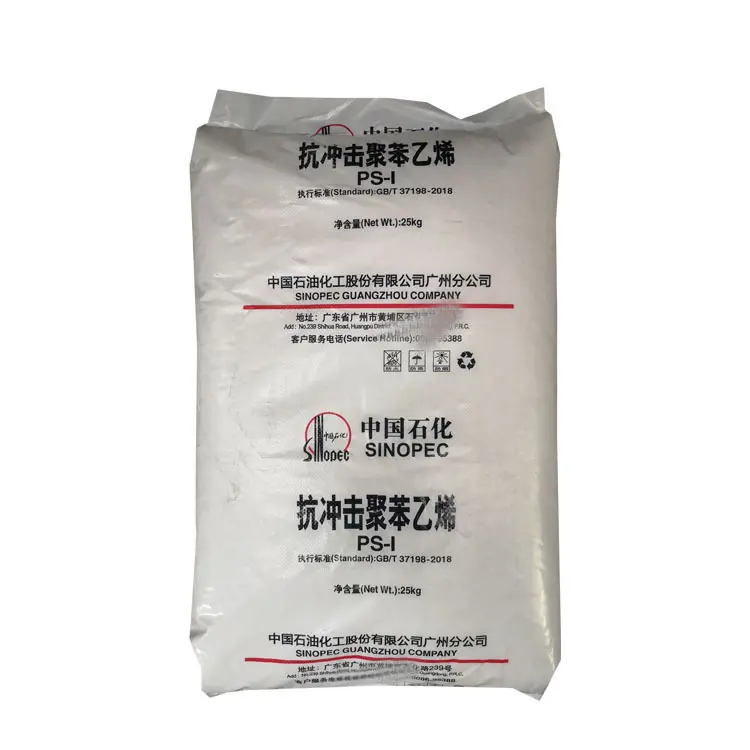
- Packaging Specifications: Standard industrial moisture-proof packaging is adopted (typically 25 kg/bag), and palletized stretch-film bundling solutions can be provided upon request to prevent moisture or damage during transit.
- Hazardous Chemical Properties: This product belongs to general polymer synthetic resin raw materials and is not classified as a hazardous chemical in sea, land transportation, and warehousing. It supports regular container load sharing (LCL) and full container load (FCL) shipping.
- Compliance Certification: Certificate of Analysis (COA), Technical Data Sheet (TDS), and Material Safety Data Sheet (MSDS) can be provided along with the shipment; it complies with REACH regulations and RoHS environmental directives, meeting international trade export audit standards.
FAQs
Q1: Does processing BASF Polystyrol® 476L HIPS require prior drying?
A: The material has a very low water absorption rate (< 0.1%) and can be directly introduced into production without pre-drying under normal storage and sealed packaging conditions; if the material is affected by moisture or exposed to high-humidity environments resulting in condensation, it is recommended to perform appropriate dehumidification and drying treatment before processing to ensure product surface quality.
Q2: How should processing temperatures be selected for this grade in injection and extrusion processes?
A: For injection molding, it is recommended to set the barrel and nozzle temperatures within the range of 180°C to 260°C; for extrusion molding, it is recommended to set the temperatures within the range of 180°C to 220°C. Specific parameters should be fine-tuned based on actual machine models, screw designs, and wall thicknesses of the products.
Q3: Does this material meet international environmental and export compliance requirements?
A: Yes. This grade complies with RoHS directives and REACH regulations. We can synchronously provide complete Technical Data Sheets (TDS), Material Safety Data Sheets (MSDS), and corresponding batch Certificates of Analysis (COA) upon shipment to assist clients in successfully completing compliance reviews for overseas projects.
Q4: Are samples supported for small-scale testing prior to bulk procurement?
A: Yes. Understanding the importance of process verification prior to actual mass production, we can provide compliant sample support for industrial clients with genuine procurement demands. Specific sample application guidelines and logistics matters can be coordinated directly with our sales team.