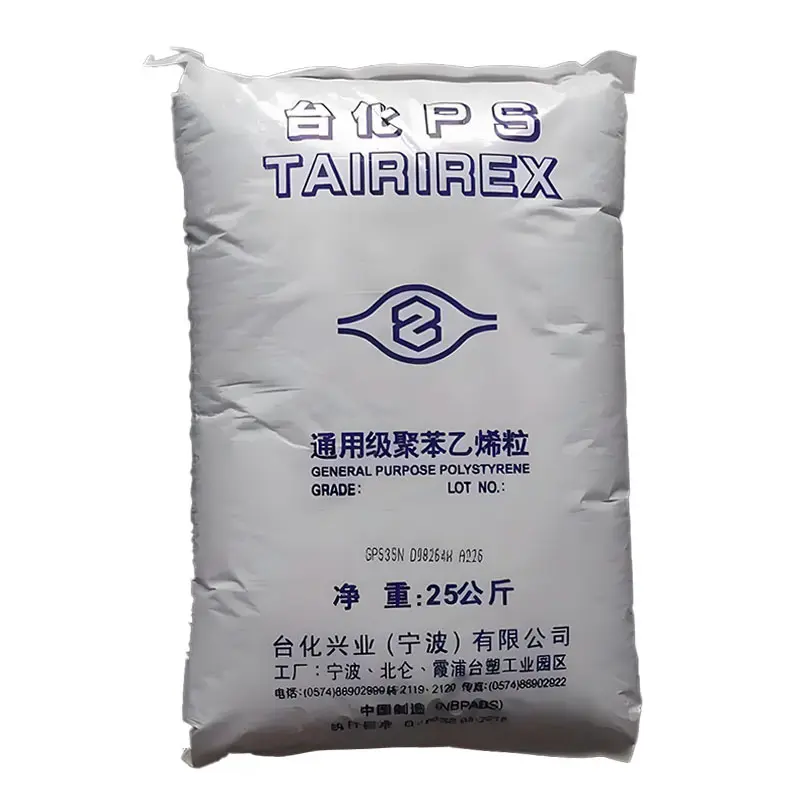
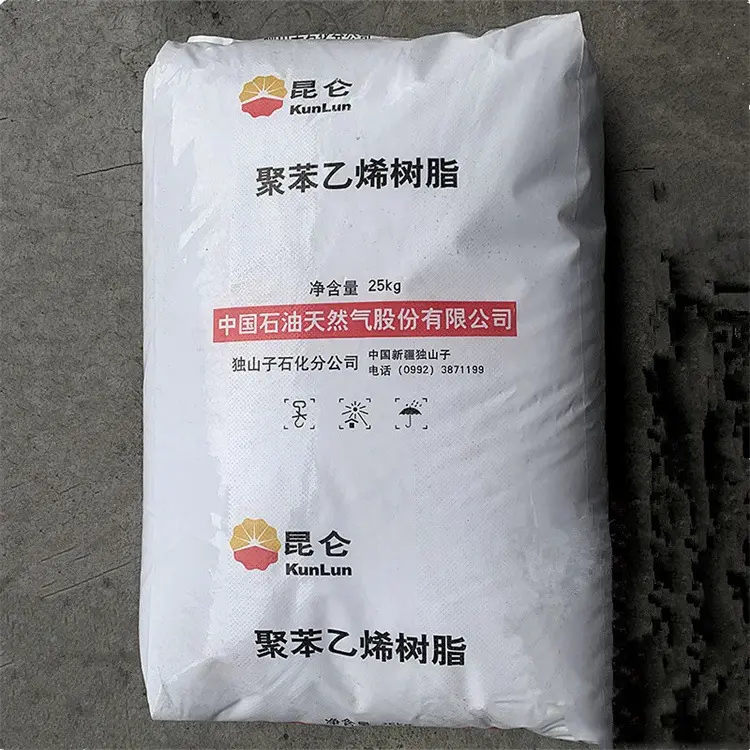
Product Overview & Key Features
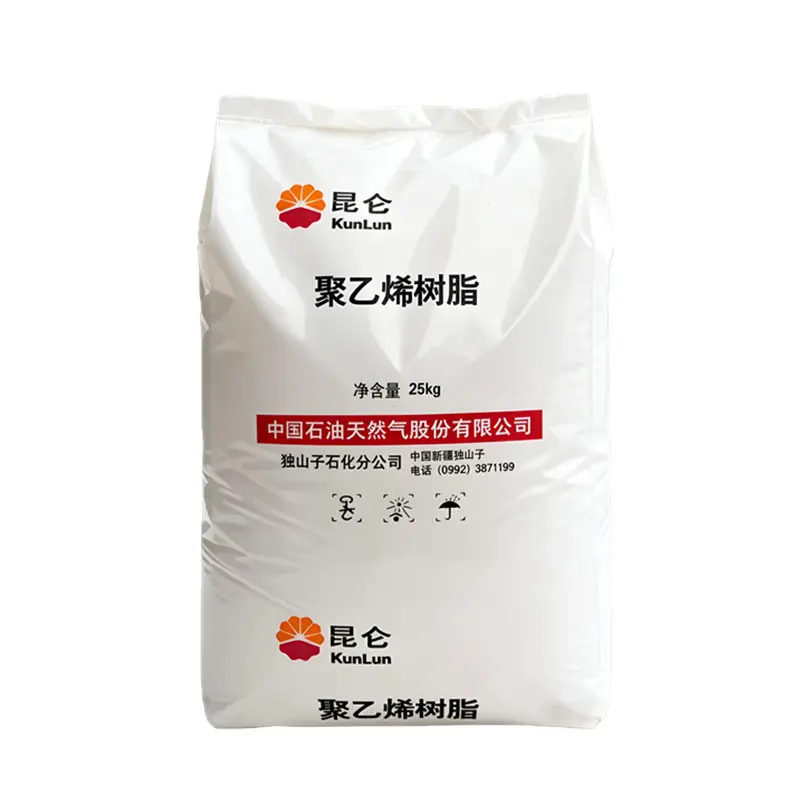
GPPS-500NT is a high-purity general-purpose polystyrene (GPPS) resin produced by Dushanzi Petrochemical Company, a division of PetroChina Company Limited. The product comes as transparent granules free of foreign mechanical impurities. As a bulk thermoplastic, GPPS-500NT maintains high uniformity in its polymer backbone, delivering excellent optical transmittance, high rigidity, good thermal stability, and outstanding melt processability.
In industrial manufacturing, Dushanzi Petrochemical GPPS-500NT is positioned as a foundational polymer raw material for both injection molding and extrusion molding. Its exceptionally low yellowness index (-5.5) ensures end products possess crystal-clear visual clarity, making it widely applied in high-end food packaging, clear daily consumer goods, transparent electrical and electronic components, and extruded polystyrene (XPS) insulation boards.
Technical Specifications
Physical Properties
| Parameter | Test Conditions | Value | Unit | Test Method |
| Melt Flow Rate (MFR) | 200℃, 5.00kg | 5.33 | g/10 min | ISO 1133:2005 |
Mechanical Properties
| Parameter | Test Conditions | Value | Unit | Test Method |
| Tensile Strength | — | 46.3 | MPa | ISO 527-2:1993 |
| Charpy Impact Strength | — | 1.3 | kJ/m² | ISO 179-1 |
Thermal Properties
| Parameter | Test Conditions | Value | Unit | Test Method |
| Vicat Softening Temperature | — | 99.9 | °C | ISO 306:2004 |
Optical Properties
| Parameter | Test Conditions | Value | Unit | Test Method |
| Yellowness Index | — | -5.5 | N/A | ASTM E308-1 |
Other Properties
| Parameter | Test Conditions | Value | Unit | Test Method |
| Appearance | Granules (colored particles) | 0 | Count/kg | SH/T 1541-2006 |
Notice: The technical specifications for PetroChina GPPS-500NT provided herein are compiled from data published by PetroChina Dushanzi Petrochemical or certified third-party testing laboratories. While prepared with professional diligence, these values serve as reference guidelines rather than absolute performance guarantees. Because molding and processing conditions vary significantly across operational environments, we recommend performing trial runs with GPPS-500NT under your actual manufacturing conditions prior to final material selection and mass production.
Features & Benefits
- Exceptional Optical Clarity and Ultralow Yellowness: Featuring a yellowness index as low as -5.5, it provides outstanding light transmittance. This property gives finished products a crystal-clear appearance, significantly enhancing the visual quality of clear consumer goods and food containers.
- High Rigidity and Tensile Strength: Reaching a tensile strength of 46.3 MPa, it offers robust structural stiffness. In thin-wall injection molding or container manufacturing, it ensures parts resist bending and deformation under routine mechanical stress, maintaining dimensional stability.
- High Vicat Softening Point and Superior Heat Resistance: With a Vicat softening temperature of 99.9 °C, it ranks at the higher end of heat resistance among general-purpose polystyrenes. It maintains part geometry under elevated ambient temperatures, reducing the risk of thermal distortion.
- Balanced Melt Processability: With a melt flow rate (MFR) of 5.33 g/10 min at 200℃/5.00kg, it delivers moderate and consistent flow behavior. This provides smooth cavity filling for complex injection molds while maintaining adequate melt strength during extrusion molding.
- High Purity and Low Contamination: Factory inspection limits impurity and discolored particles to 0 count/kg. Highly clean resin granules effectively minimize black spots, bubbles, and particulate defects during processing, reducing scrap rates.
Applications
- Food Contact and Packaging Containers: Transparent food packaging boxes, disposable high-clarity tableware, cold drink cups, storage jars, and rigid protective packaging cases.
- Home Appliance and Electronic Consumer Components: Appliance transparent indicator windows, audio display panels, clear refrigerator interior shelves, and various protective electronic housings.
- Daily Articles, Stationery, and Housewares: Premium CD/DVD jewel cases, transparent pencil boxes, laboratory reagent containers, storage bins, and clear toy components.
- Extruded Polystyrene Boards (XPS):Serves as a high-grade polymer feed for producing extruded polystyrene insulation boards (XPS), providing consistent cell structure and mechanical strength.
Frequently Asked Questions (FAQs)
Q1: Does Dushanzi Petrochemical GPPS-500NT require pre-drying before injection molding?
A: General-purpose polystyrene (GPPS) is an amorphous thermoplastic with extremely low moisture absorption (typically below 0.1%). When stored in a dry, sealed warehouse, it can usually be processed directly. However, if exposed to high-humidity environments, open-air storage, or damaged packaging where surface condensation occurs, pre-drying at 70°C–80°C for 1–2 hours is recommended to eliminate silver streaks or surface bubbles on molded parts.
Q2: What are the main selection criteria when choosing between GPPS-500NT and High Impact Polystyrene (HIPS)?
A: GPPS-500NT is an unmodified polystyrene optimized for optical clarity, high hardness, and structural rigidity, though it exhibits lower impact strength (Charpy impact strength of 1.3 kJ/m²). HIPS materials incorporate rubber modification to dramatically increase impact strength, which renders the polymer opaque milky-white. Select GPPS-500NT when high clarity and aesthetic appearance are mandatory; select HIPS when drop impact resistance is critical and transparency is not required.
Q3: How does an MFR of 5.33 g/10 min affect injection molding process settings?
A: An MFR of 5.33 g/10 min (200℃/5.00kg) represents a moderate and stable melt flow range. Barrel temperatures should generally be set between 180°C and 230°C. For medium-wall injection molded parts, this melt flow provides smooth cavity filling under standard injection pressure. For thin-wall or long-flow-path geometries, increasing processing temperatures by 10°C–15°C or fine-tuning injection speed helps achieve optimal mold filling and surface gloss.