Quick Answer
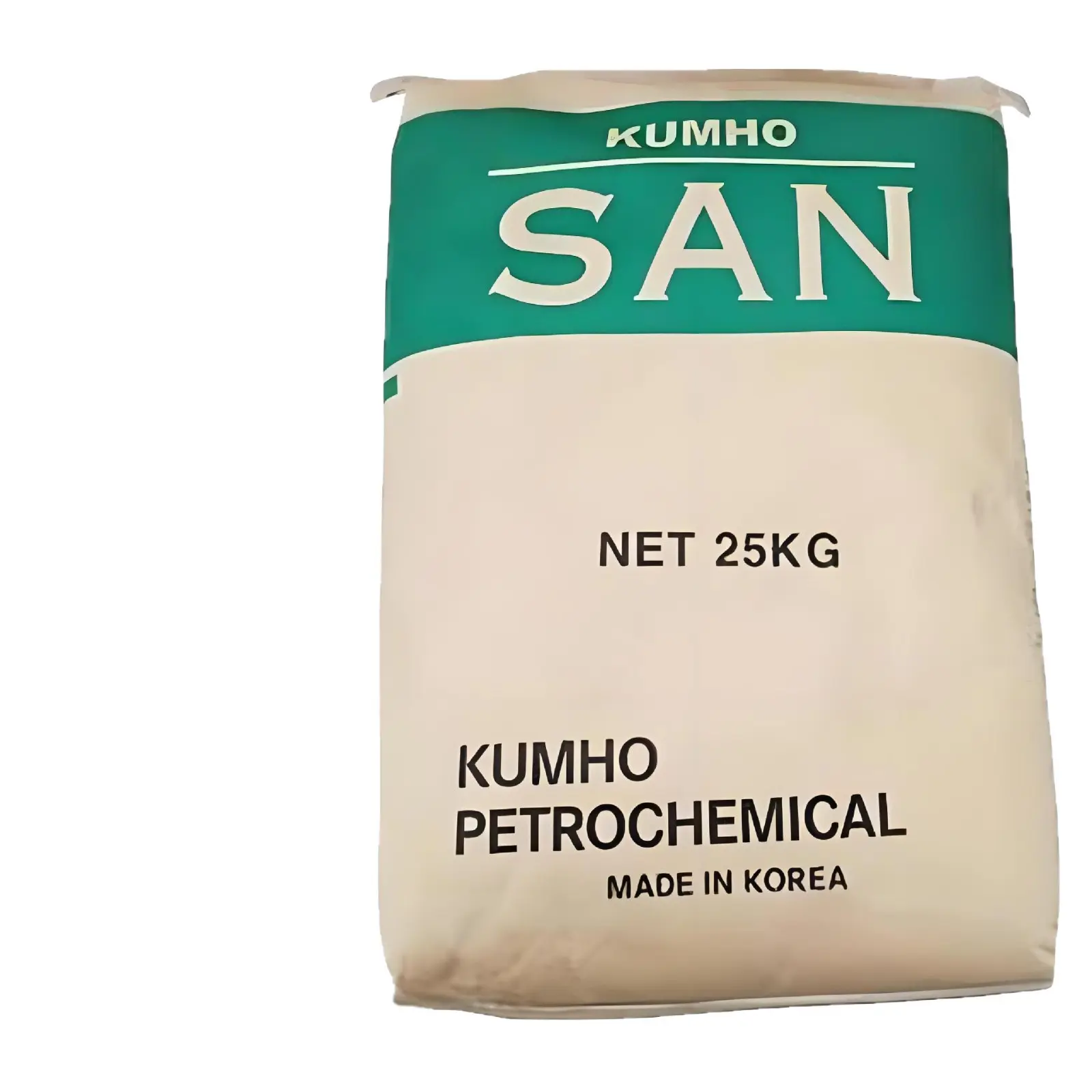
- Need transparency + moderate cost + easy molding? → SAN
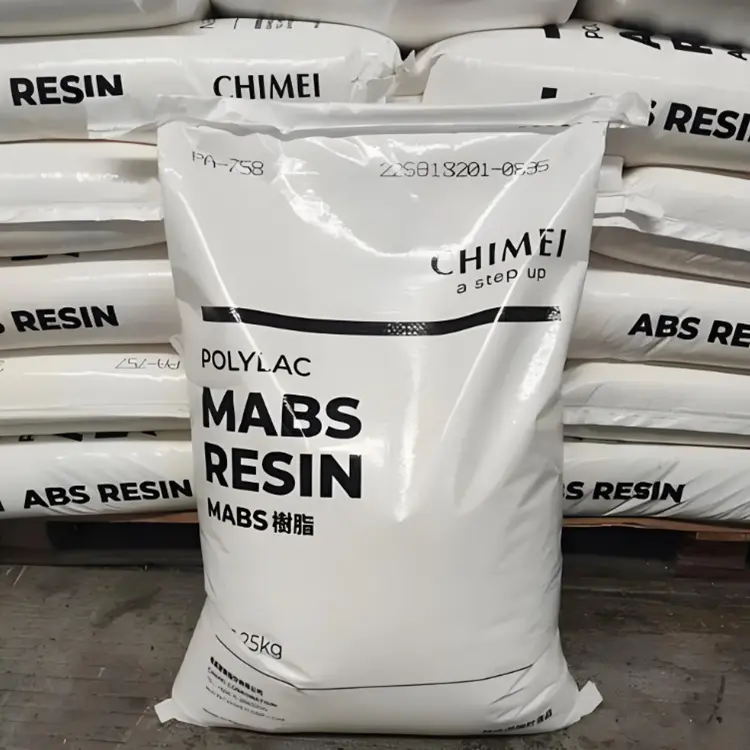
- Need lowest cost + highest impact resistance? → ABS
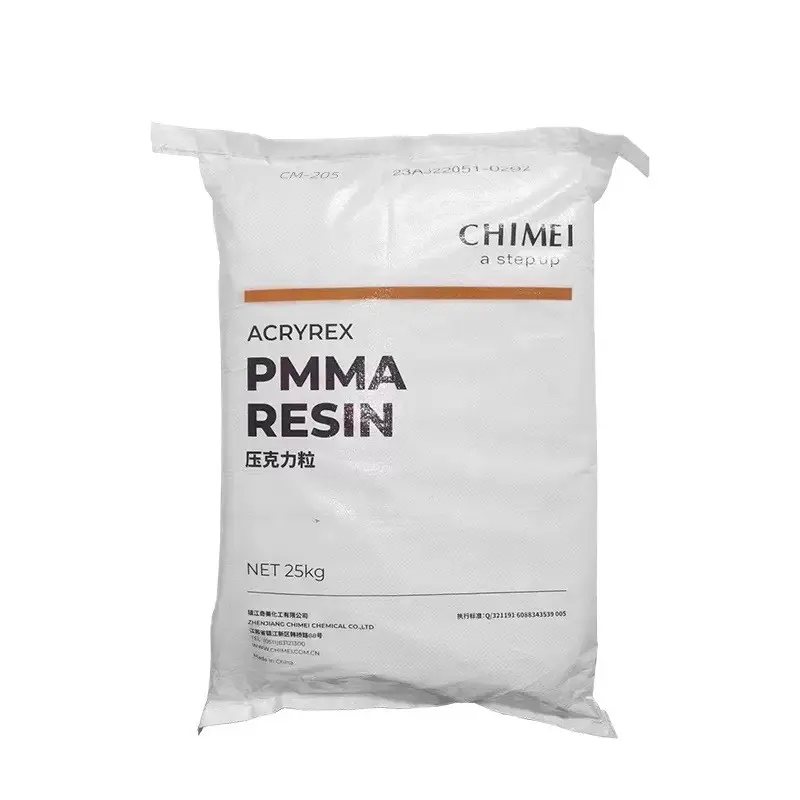
- Need top-tier transparency (optical products)? → PMMA
Core Comparison Table
| Indicator | SAN | ABS | PMMA |
| Transparency | 88-92% | 50-80% | 92-93% |
| Cost (Raw Material) | $1.2-1.5/kg | $0.8-1.2/kg | $2.0-3.5/kg |
| Impact Resistance | Moderate | Highest | Lowest |
| Chemical Resistance | Best | Moderate | Moderate |
| Heat Resistance (Long-term) | 55-70°C | 80°C | 60-70°C |
| Molding Difficulty | Simple | Moderate | Difficult |
Three Material Selection Rules
Select SAN scenarios
- Refrigerator/Washing machine liners: Need transparency + grease resistance.
- Food/Cosmetic packaging: Good FDA certification compatibility + resistance to essential oils and fragrances.
- Automotive interiors: Flexible design + easy molding + cost control.
- Medical devices: Good sterilization compatibility + outstanding chemical resistance.
- Transparent phone cases: Best cost-performance ratio.
- Two major advantages of SAN: Strong chemical resistance (resistant to grease and detergents); simple molding, making it highly competitive in total cost for mass production.
Select ABS scenarios
- Black/Opaque products: Significant cost advantage + easy to color.
- High impact resistance required: High impact strength, not prone to breakage.
- Consumer electronics housings: Standard for phone cases and appliance housings.
- Automotive exterior parts: High requirements for structural strength.
- Two major advantages of ABS: Lowest raw material price; leading impact resistance among the three.
Select PMMA scenarios
- Optical lenses/Light-transmitting devices: 92% light transmittance is irreplaceable.
- High-end transparent products: High premium potential.
- PMMA’s unique advantage: Highest light transmittance, with a texture close to glass.
Five Common Application Choices
| Application | Preferred | Reason | Cost/Performance Trade-off |
| Refrigerator Liner | SAN | Transparent + Grease resistant | Optimal |
| Food Container | SAN | Good FDA certification | Optimal |
| Phone Case (Transparent) | SAN | Good cost-performance | Optimal |
| Phone Case (Black) | ABS | Highest impact resistance | Optimal |
| Optical Lens | PMMA | Irreplaceable | Expensive but essential |
The Truth About Costs
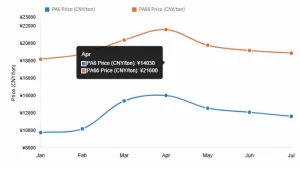
Raw Material Price Difference: ABS (cheapest) < SAN (moderate) < PMMA (most expensive).
Total Cost Comparison (Mass Production): Although the unit price of SAN raw material is higher than ABS, the total cost is often comparable. Reason: SAN has a shorter molding cycle, higher productivity, and lower injection pressure, saving significant energy and labor time. Conclusion: SAN is highly economical when annual production exceeds 1 million units.
Frequently Asked Questions
Q: Why are refrigerator liners all made of SAN instead of ABS?
A: Three reasons:
(1) Transparency is needed to see the capacity;
(2) Long-term contact with grease and detergents → SAN has the strongest chemical resistance;
(3) Mass production molding → SAN is the most efficient.
Q: Why choose SAN when it is more expensive than ABS?
A: The total cost is lower in mass production. The raw material price difference accounts for only a small fraction of the total cost, while the energy and time savings brought by SAN’s molding efficiency outweigh the price gap.
Q: Why are EV batteries starting to use SAN instead of ABS?
A: With the advent of high-heat SAN, it can meet temperature resistance requirements >80°C, and its cost is competitive compared to high-heat ABS. However, high-heat ABS currently remains the mainstream due to more stable supply.
Q: Why is PMMA so expensive?
A: Optical performance is irreplaceable (92% light transmittance), and processing difficulty is high (requires precise control of long cooling times and high pressure), positioning it for the high-end market.