Product Overview & Key Features
TR-558AI is a transparent acrylonitrile-butadiene-styrene (Transparent ABS) injection molding resin produced by LG Chem Ltd. The material appears as water-clear to slightly blue-transparent cylindrical pellets and belongs to the general-purpose transparent UL 94 HB grade featuring high flowability and high rigidity within LG Chem’s transparent ABS product matrix. Its core performance advantages include: a density of 1.08 g/cm³, a melt flow rate (MFR) of 22 g/10min (ASTM D1238) providing excellent melt flowability suitable for cavity filling in complex thin-walled molds, a Rockwell hardness of R112, a flexural modulus of 2400 MPa, and a tensile strength of 51 MPa delivering outstanding rigidity and surface hardness among transparent thermoplastics; an Izod notched impact strength of 9.81 J/m (23 °C) balancing transparency and impact toughness; a light transmittance of 90% and haze of 2.5% presenting a high-clarity, low-haze visual effect; a heat deflection temperature of 76 °C (1.82 MPa, ASTM D648) covering room-temperature to medium-temperature home appliance and electronics operating conditions; and a mold shrinkage of 0.4–0.7% offering good dimensional stability. Designed specifically for injection molding processes, this grade is widely applied in consumer electronics transparent housings, home appliance windows, cosmetic packaging, and office equipment components, making it a preferred material to replace PMMA and PC in scenarios requiring “high transparency, easy processing, and controlled costs.”
Technical Specifications
Physical Properties
| Physical Properties | Test Value | Unit | Test Standard |
| Density | 1.08 | g/cm³ | ASTM D792 |
| Mold Shrinkage | 0.4–0.7 | % | ASTM D955 |
| Melt Index, Compounded | 22 | g/10min | ASTM D1238 |
| Rockwell Hardness R | 112 | — | ASTM D785 |
Mechanical Properties
| Mechanical Properties | Test Value | Unit | Test Standard |
| Tensile Strength, Break | 51 | MPa | ASTM D638 |
| Tensile Strain, Break | 35 | % | ASTM D638 |
| Flexural Strength | 80.41 | MPa | ASTM D790 |
| Flexural Modulus | 2400 | MPa | ASTM D790 |
| Izod Impact Strength, Notched 23°C | 9.81 | J/m | ASTM D256 |
Thermal Properties
| Thermal Properties | Test Value | Unit | Test Standard |
| Heat Deflection Temperature (1.82 MPa) | 76 | °C | ASTM D648 |
| Flame Retardancy Rating | HB | — | UL 94 |
Optical Properties
| Optical Properties | Test Value | Unit | Test Standard |
| Haze | 2.5 | % | — |
| Transmittance, Visible | 90 | % | — |
Disclaimer: The technical specifications for LG Chemical TR-558AI presented herein are derived from data issued by LG Chem Ltd. or certified third-party testing institutions. While we have made every effort to ensure the accuracy of the information provided, we assume no liability for any consequences arising from the use of TR-558AI based on these data. Given the variables involved in processing conditions, we strongly recommend conducting thorough trials of TR-558AI under your specific operational environment prior to final material selection.
Applications & Processing Guidelines
Typical Applications
Backed by its balanced combination of 90% transmittance, 22 g/10min high fluidity, and R112 high hardness, TR-558AI is primarily targeted at the following application areas:
- Consumer Electronics: Printer/scanner transparent top covers, router status indicator windows, keyboard transparent keycaps, and instrument viewing panels—high fluidity ensures complete filling of complex thin-walled structures, while high hardness resists daily scratching.
- Home & Kitchen Appliances: Soymilk maker measuring cups, electric kettle water level windows, microwave oven door interior trims, and small appliance transparent buttons—a 76 °C heat deflection temperature accommodates medium-temperature operating conditions, and the transmittance and haze metrics meet visual inspection requirements.
- Cosmetics & Daily Chemicals: Perfume bottle caps, cream jars, transparent cosmetic housings, and display props—high surface gloss makes it suitable for secondary processing such as silk screening, hot stamping, and UV coating.
- Office & Stationery: Transparent file folder clips, display models, and safety toy housings—RoHS/REACH compliance covers general export requirements.
Processing Guidelines
- Drying Pretreatment: Transparent ABS possesses a certain degree of hygroscopicity, and hot-air dehumidifying drying is recommended prior to processing. Recommended conditions: dry at 75–80 °C for 3–4 hours, ensuring a moisture content of ≤ 0.1%. Undried material is prone to generating silver streaks, bubbles, and surface pinholes during injection molding, which impairs the optical quality of transparent parts. After drying, the material should be kept in a sealed hopper with insulation (60–70 °C) to prevent secondary moisture absorption.
- Injection Molding Process: Recommended barrel temperatures are 210–240 °C, with mold temperatures at 40–70 °C. Higher mold temperatures help reduce weld lines and improve surface gloss, whereas lower mold temperatures can shorten the molding cycle. Injection speed should be set from medium to fast, holding pressure at 60–80% of the injection pressure, and back pressure at 0.5–1.5 MPa. Screw speed should be maintained at 80–120 rpm to prevent thermal degradation and yellowing caused by excessive shear.
- Regrind Utilization: Clean runner scrap can be recycled and reused. Because transparent ABS is sensitive to thermal history, it is recommended to maintain a virgin-to-regrind ratio of 3:1 or 4:1, and regularly test optical transparency and mechanical properties to ensure consistent end-product quality.
Logistics, Packaging & Compliance
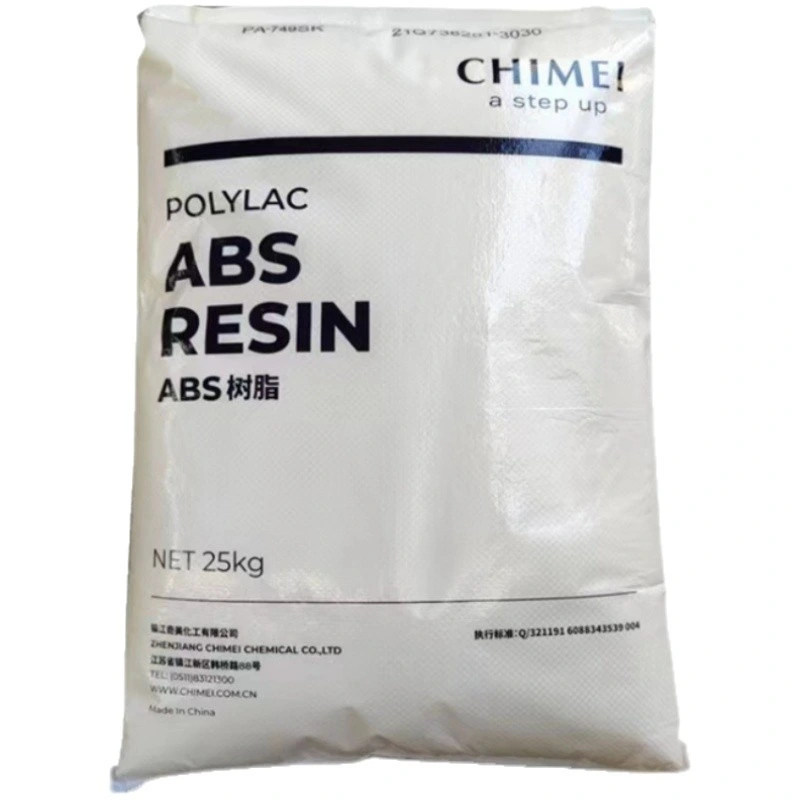
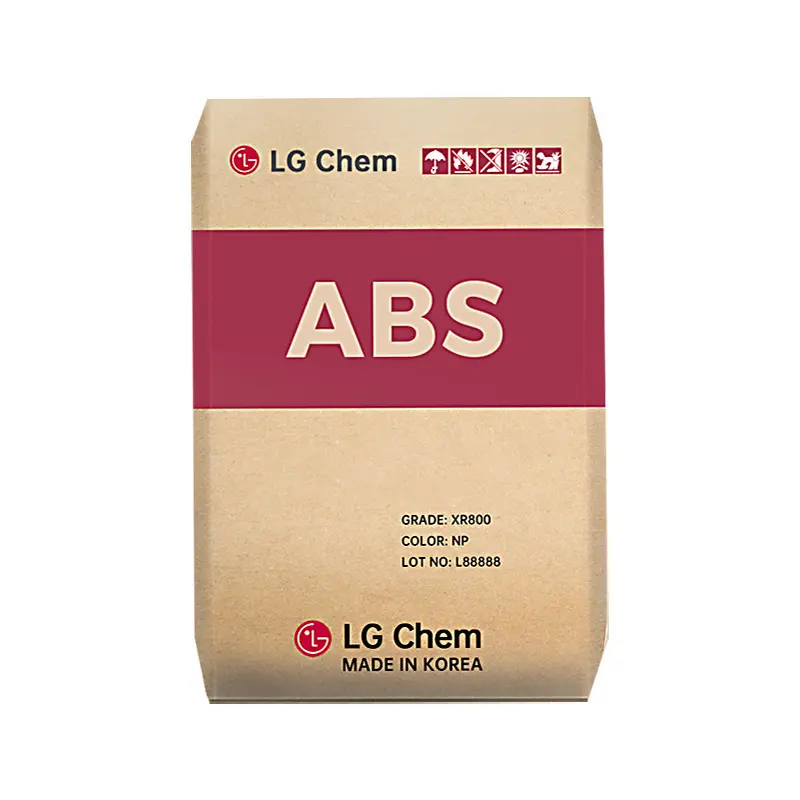
- Packaging Specifications: Standard packaging consists of 25 kg film-lined woven bags or kraft paper composite bags equipped with moisture-proof polyethylene inner liners. Bulk bags (Big Bags, typically 500 kg or 1000 kg) are also available upon customer request to accommodate continuous feeding requirements in automated injection molding production lines.
- Supply Attributes: TR-558AI is classified as a non-hazardous chemical (Non-DG) and complies with general cargo transportation standards. It supports ocean freight and land transportation operations via 20-foot full container loads (FCL) or less than container loads (LCL), requiring no specialized hazardous material transport qualifications or vehicles.
- Delivery Lead Time: Supported by the ready stock of TaiKuo New Materials across major ports and inland hubs, standard orders achieve rapid response times. Specific delivery lead times depend on International Commercial Terms (Incoterms) and destination port logistics conditions, and are generally arranged for shipment following order confirmation.
- Compliance & Documentation Support: Every batch is accompanied by comprehensive quality management documents, including a Technical Data Sheet (TDS), Chemical Safety Data Sheet (MSDS/SDS), and Certificate of Analysis (COA). The product complies with RoHS Directive and REACH Regulation requirements concerning restricted substances.
- ESG & Environmental Statement: As a recyclable thermoplastic, ABS features a well-established pathway for physical recycling (shredding and re-pelletizing). We support circular economy practices, encouraging customers to sort and reprocess runner scrap and defective parts during processing. Concurrently, we are committed to driving green supply chain transformation to ensure that the environmental impact across the product lifecycle remains controllable and aligns with global sustainable development trends.
Frequently Asked Questions (FAQs)
Q1: With a transmittance of 90%, how should TR-558AI be selected in comparison with PMMA and PC?
A1: The three materials have different positioning. PMMA offers higher transmittance (>92%) and better surface hardness, but has lower impact resistance and is prone to stress cracking. PC provides extreme impact resistance and higher heat resistance, but carries higher costs, requires strict drying prior to processing, and tends to yellow. TR-558AI (transparent ABS) has a transmittance of 90% slightly lower than PMMA, but significantly superior toughness compared to PMMA, lower costs than PC, and a wide processing window without requiring rigorous drying. Selection rules: choose PMMA for ultra-high transmittance and surface hardness; choose PC for high impact resistance and high-temperature operating environments; and choose TR-558AI for general appearance parts requiring balanced transparency, toughness, and cost control.
Q2: What wall thickness is appropriate for this grade given its melt flow index of 22 g/10min?
A2: An MFR of 22 represents high-flow transparent ABS, capable of stably injection-molding transparent parts with wall thicknesses of 1.0–2.5 mm. For ultra-thin wall structures below 1.0 mm, it is recommended to raise the mold temperature to 60–70 °C, set the injection speed to fast, and evaluate weld line strength. For thick-walled parts with a wall thickness > 3.5 mm, this fluidity is relatively fast, requiring attention to packing-induced shrinkage compensation and sink mark control; a lower MFR transparent ABS grade can be considered if necessary.
Q3: Can TR-558AI be used for electronic and electrical housings given its HB flame retardancy rating?
A3: UL 94 HB is the lowest horizontal burning rating, suitable for general electronic and electrical transparent housings (such as printer covers and monitor bezels), but it does not meet scenarios requiring mandatory V-0 compliance (such as charger enclosures or power socket panels). If the end product requires passing V-0 certification, selecting LG Chem’s flame-retardant ABS series or alternative halogen-free flame-retardant grades is advised. Additionally, this grade lacks pre-compounded anti-UV systems, so surface protection or coating treatments are necessary for long-term outdoor use.
Q4: How can silver streaks and bubbles be avoided when processing TR-558AI?
A4: Silver streaks and bubbles primarily originate from material moisture or degradation. Key control points include: ① thorough drying prior to processing at 75–80 °C for 3–4 hours, keeping moisture content below 0.1%; ② keeping barrel temperatures below 240 °C to prevent thermal decomposition caused by local overheating; ③ maintaining a smooth injection speed to avoid air entrapment; and ④ designing reasonable mold venting channels (depth of 0.02–0.04 mm) to ensure smooth cavity gas evacuation. If silver streaks have already occurred, check drying efficacy first, followed by troubleshooting temperature settings and venting conditions.