Product Overview & Key Features
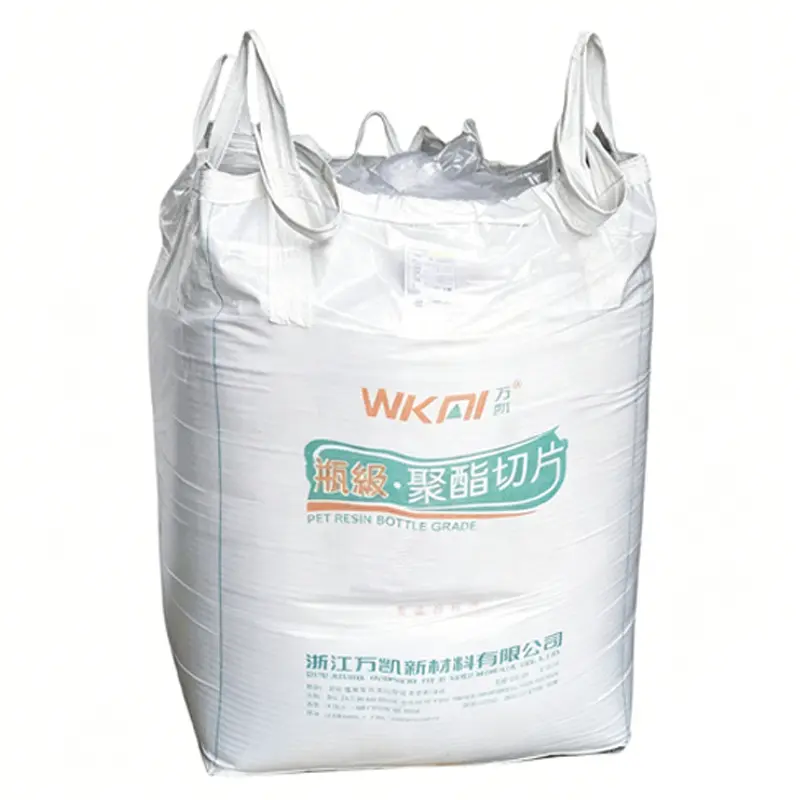
- Manufacturer: Zhejiang Wankai
- Product Grade: WK-811
- Material Classification: PET (Polyethylene Terephthalate)
- Physical Appearance: Transparent pellet raw material
Zhejiang Wankai WK-811 is a bottle-grade PET resin featuring stable intrinsic viscosity, low acetaldehyde content, and good color performance. With a stable melting point and uniform pellets, this grade is suitable for blow molding processes and is primarily used for manufacturing packaging containers. The material offers good transparency, chemical resistance, and dimensional stability, making it widely applied in the food packaging sector.
Core Features: Low acetaldehyde content, stable color, uniform pellets, wide processing window, and suitability for blow-molding food-contact packaging products.
Technical Specifications
Physical Properties
| Property | Test Condition | Value | Unit | Test Method |
| Intrinsic Viscosity (IV) | 25°C, Phenol/Tetrachloroethane | 0.78 ±0.02 | dl/g | Internal Method |
| Particle Size (Weight per 100 Pellets) | — | ≥ 84±0.1 | g/kg | Internal Method |
| Acetaldehyde Content | — | 1 | ppm | Internal Method |
| Moisture Content | — | 0.4 | % | Internal Method |
Thermal Properties
| Property | Test Condition | Value | Unit | Test Method |
| Melting Point | DSC | 250 ±2 | °C | Internal Method |
Optical Properties
| Property | Test Condition | Value | Unit | Test Method |
| Color (L-value) | — | 83 | — | Internal Method |
| Color (b-value) | — | 1 | — | Internal Method |
Notice: The technical specifications for Wankai WK-811 provided herein are compiled from data published by Zhejiang Wankai or certified third-party testing laboratories. While prepared with professional diligence, these values serve as reference guidelines rather than absolute performance guarantees. Because molding and processing conditions vary significantly across operational environments, we recommend performing trial runs with WK-811 under your actual manufacturing conditions prior to final material selection and mass production.
Applications & Processing Guidelines
Typical Application Scenarios
- Food & Beverage Packaging: Mineral water bottles, bottled drinking water containers, and juice beverage packaging bottles.
- Food Packaging Containers: Food-grade wide-mouth jars and condiment packaging bottles.
- Daily Chemical Packaging: Transparent packaging bottles for personal care and washing products.
Processing Operation Essentials
- Drying Treatment: PET raw materials are extremely hygroscopic. WK-811 must be pre-dried prior to blow molding. It is recommended to dry at 160–170°C for 4–6 hours, reducing the moisture content below 0.05% to prevent silver streaks and bubbles in the finished product.
- Temperature and Shear: The melting point of this grade is 250 ± 2°C, and the blow-molding processing temperature range is recommended to be set at 260–280°C. Screw speed should not be excessively high to minimize shear overheating and reduce secondary acetaldehyde generation.
- Storage Recommendations: Raw materials should be stored in a sealed and dry environment, avoiding long-term exposure to humid air to prevent moisture regain.
Grade Comparison & Selection Guide
Horizontal Comparison of Similar Bottle-Grade PET Grades
| Grade | Intrinsic Viscosity IV (dl/g) | Acetaldehyde Content | Main Positioning |
| WK-811 | 0.78±0.02 | 1 ppm | General drinking water and beverage bottles, balancing flowability, toughness, and low acetaldehyde |
| WK-801 | 0.74±0.02 | ≤1 ppm | Thin-walled small bottles, higher flowability, suitable for high-speed stretch blow molding |
| WK-821 | 0.82±0.02 | ≤1 ppm | Large-capacity containers and thick-walled bottles, higher viscosity, better drop resistance |
| WK-831 | 0.85±0.02 | ≤1 ppm | Large drum packaging, high viscosity, suitable for large-capacity packaging of 5L and above |
WK-811 is positioned in the medium-viscosity range of Wankai’s bottle-grade PET, balancing molding flowability and product toughness. Its low-aldehyde index suits food and beverage packaging, making it the general flagship grade for beverage bottles.
Engineer Selection Recommendations
- Thin-walled Small-capacity Bottles (≤500ml): Prioritize lower viscosity grades such as WK-801 for faster molding, suitable for high-speed production lines.
- Conventional 500ml–1.5L Drinking Water and Beverage Bottles: WK-811 is the preferred choice due to its balanced viscosity, low acetaldehyde, and dual advantages in molding efficiency and drop resistance.
- Large-capacity Thick-walled Containers (>2L): Select higher viscosity grades like WK-821/WK-831 to enhance impact strength and reduce transit damage.
- Food Contact Scenarios: Prioritize verifying original manufacturer food contact compliance documents. The low-aldehyde property of WK-811 makes it suitable for direct contact with food and beverages.
- Mold Gate Design: As WK-811 is a medium-viscosity PET, a multi-point gate design is recommended to reduce bottle stress and minimize whitening on the bottle body.
Frequently Asked Questions (FAQs)
Q1: Must WK-811 PET be dried before processing?
A: Yes, it must be dried. PET resin has strong hygroscopicity, and excessive raw material moisture will cause bubbles, silver streaks, and reduced transparency in blow-molded products. Recommended drying conditions: 160–170°C, 4–6 hours, with moisture content controlled below 0.05% after drying.
Q2: What products are suitable for the low-aldehyde index of WK-811?
A: Acetaldehyde affects beverage flavor. WK-811 has an acetaldehyde content of 1 ppm, making it suitable for odor-sensitive food and beverage packaging such as drinking water and juice. If used for hot-fill products, the incremental increase in acetaldehyde under hot-fill working conditions requires separate evaluation.
Q3: Can WK-811 be used for high-temperature hot-fill bottles?
A: WK-811 is a standard bottle-grade PET, not a heat-resistant modified PET. Direct use in high-temperature hot-fill scenarios is not recommended. Hot-fill requirements necessitate heat-resistant PET grades or matching heat-setting processes, and small-scale sample testing is advised beforehand.