Product Overview & Key Features
Hainan Yisheng YS-C01 PET is a polyethylene terephthalate (PET) base resin grade produced by Hainan Yisheng Petrochemical and specifically developed for bottle-grade and industrial applications. The material is in the form of translucent pellets, featuring a stable intrinsic viscosity (0.86 to 0.89 dL/g at 25 °C, noting that the standard industry unit for intrinsic viscosity is typically dL/g), a strictly controlled acetaldehyde content (less than or equal to 0.0001 wt%) and an extremely low initial moisture content (less than or equal to 0.2%), and exhibiting a clear and stable melting point within the 247 to 251 °C range. YS-C01 PET possesses excellent mechanical strength, outstanding transparency, good barrier properties (against carbon dioxide and oxygen), and stable processing flowability, making it widely and long-term used in the manufacturing of various food and beverage packaging containers, stretch blow-molded bottles, and hollow-molded products. This grade is adaptable to injection stretch blow molding (ISBM) and conventional thermoplastic processing techniques, serving as a well-balanced polymer raw material that meets the high hygiene standards and efficient production requirements of the modern packaging industry.
Technical Specifications (Technical Data Sheet – TDS)
Physical Properties
| Item | Testing Condition | Value | Unit | Test Method |
| Viscosity | 25 °C Intrinsic Viscosity | 86 to 89 | g/cm3 | Internal Method |
| Acetaldehyde Content | — | ≤0.0001 | wt% | Internal Method |
| Moisture Content | — | ≤0.2 | % | Internal Method |
Thermal Properties
| Item | Testing Condition | Value | Unit | Test Method |
| Melting Point | — | 247 to 251 | °C | ASTM DSC |
Disclaimer: The technical specifications for Hainan Yisheng YS-C01 PET presented herein are derived from data issued by Hainan Yisheng or certified third-party testing institutions. While we have made every effort to ensure the accuracy of the information provided, we assume no liability for any consequences arising from the use of YS-C01 based on these data. Given the variables involved in processing conditions, we strongly recommend conducting thorough trials of YS-C01 under your specific operational environment prior to final material selection.
Applications & Processing Guidelines
Recommended specific application conditions and end products:
- Beverage and Food Packaging: Mineral water bottles, carbonated soft drink bottles, juice and tea beverage bottles, and edible oil jugs.
- Daily Chemical and Pharmaceutical Containers: Personal care product bottles (shampoo, body wash), cosmetic bottles, and medical reagent packaging.
- Industrial and Thin-Walled Containers: Various customized hollow molded products and high-transparency thin-walled containers.
Practical processing key points:
- Drying Treatment: PET is a hygroscopic polymer. To prevent a drop in intrinsic viscosity caused by hydrolytic degradation under high-temperature melting conditions and to avoid silver streaks on products, thorough drying must be performed prior to injection molding or blow molding. It is recommended to use a dehumidifying dryer, setting the drying temperature between 150 and 160 °C and maintaining the time for 4 to 6 hours, ensuring the raw material moisture content is reduced below 0.005%.
- Temperature Control: Barrel temperatures are recommended to be set at 275 to 290 °C, and nozzle temperatures maintained at 270 to 280 °C, avoiding localized overheating that could increase acetaldehyde content or cause material yellowing.
- Mold Temperature: Mold temperatures are typically controlled between 10 and 30 °C to ensure that the preform possesses good transparency and subsequent stretchability.
Logistics, Packaging & Compliance
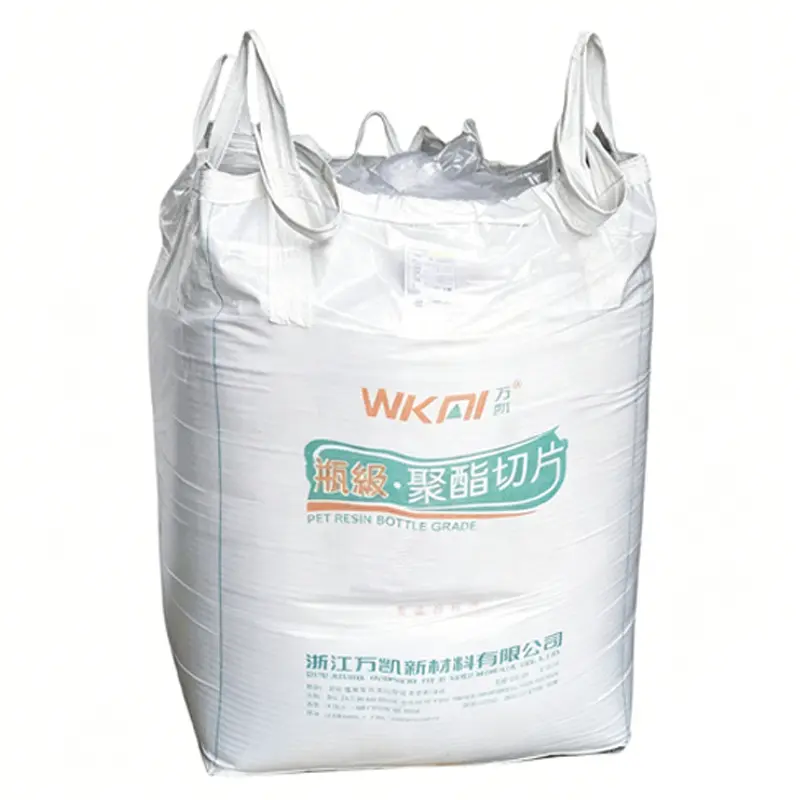
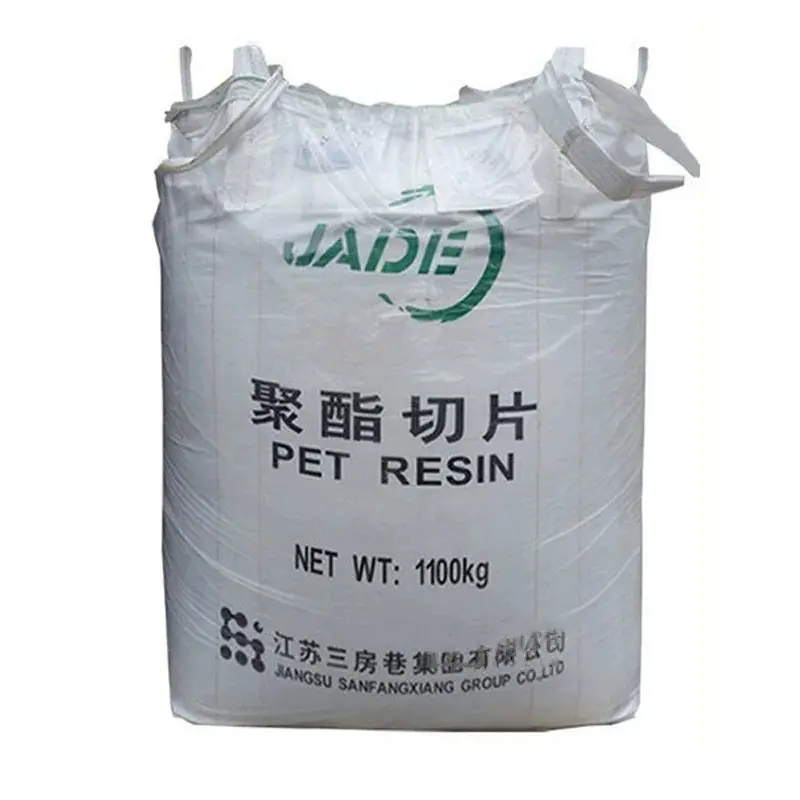
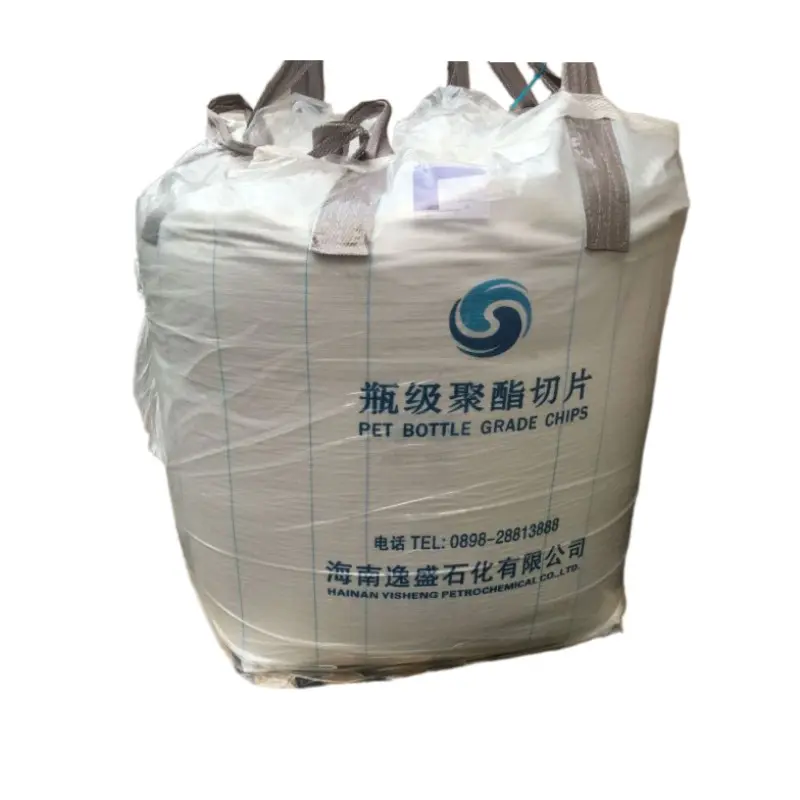
- Packaging Specifications: Packed in 25kg moisture-proof composite woven bags or 1000kg big bags, lined with a high-barrier PE film to effectively prevent moisture absorption during transportation and storage.
- Hazardous Material Attributes: This product is classified as a non-hazardous chemical, chemically stable at room temperature, and should be stored in a cool, ventilated, and dry warehouse away from direct sunlight and rain.
- Delivery Lead Time and Transportation: Regular spot orders can be arranged for shipment within 3 to 7 working days; supports less than container load (LCL), full container load (FCL), and multi-modal land-sea transportation.
- Compliance Certifications: Manufacturer’s Technical Data Sheet (TDS), Material Safety Data Sheet (MSDS), and Certificate of Analysis (COA) can be provided along with the shipment; complies with global food contact material regulatory frameworks, the European Union REACH regulation, and the RoHS environmental directive.
Frequently Asked Questions (FAQs)
Q1: Is dehumidifying drying mandatory for YS-C01 before blow molding?
A1: Yes, strict drying is required. PET raw materials easily absorb moisture from the air. If the moisture content exceeds standard levels (recommended to be controlled below 0.005%), hydrolysis will occur during high-temperature processing, leading to reduced intrinsic viscosity (IV value), decreased compressive strength, and even bubbles and silver streaks on the bottle body.
Q2: Does this grade comply with food contact safety standards?
A2: As a standard bottle-grade PET resin, YS-C01’s raw materials and additives comply with relevant safety specifications for food contact materials. We can provide targeted food contact compliance statements or third-party testing reports based on customer requirements, though end manufacturers are advised to conduct migration testing on final molded products to ensure full compliance.
Q3: How can acetaldehyde (AA) emissions be effectively controlled during processing?
A4: To ensure bottled water or beverages remain odorless, it is recommended to strictly control drying temperatures and times while avoiding excessive heating; simultaneously, the shear rate and barrel residence time of the injection molding or extrusion system should be rationally optimized, keeping the melt temperature within the recommended range to minimize thermal degradation-generated acetaldehyde.