Product Overview & Key Features
CZ-328 is a polyethylene terephthalate (PET) injection molding grade resin produced by Jiangsu Sanfangxiang Group Co., Ltd., belonging to the standard injection molding grade family within Sanfangxiang’s PET bottle-grade resin product line. The material appears as colorless to slightly yellowish transparent crystalline pellets, representing a general-purpose PET grade characterized by medium intrinsic viscosity, low acetaldehyde content, and a high crystallization rate. Its intrinsic viscosity is 0.83 ± 0.02 dl/g.
The core characteristics of CZ-328 include: molecular structure regulation to achieve low acetaldehyde (AA ≤1.0 ppm) release, meeting stringent odor migration requirements for food contact and beverage packaging; dust content controlled at ≤ 100 ppm to minimize dust contamination and equipment wear during processing; color indices of L ≥ 83 and b ≤ 0.5, ensuring high whiteness and low yellowness in finished products; a melting point of ≤ 245 °C with a moderate processing window; and an overall crystallinity of < 60%, which enables controllable crystallization and shorter molding cycles when paired with appropriate nucleating agents. Specifically designed for injection molding processes, this grade is widely used in mineral water preforms, carbonated soft drink preforms, edible oil preforms, and cosmetic/personal care packaging containers, making it one of Sanfangxiang’s primary circulating grades in the East China PET bottle-grade resin market.
Technical Data Sheet (TDS)
Physical Properties
| Property | Test Condition | Value | Unit | Test Method |
| Intrinsic Viscosity (IV) | — | 0.83 ± 0.02 | dl/g | Internal Method |
| Dust Content | — | ≤ 100 | ppm | Internal Method |
| Acetaldehyde (AA) Content | — | ≤ 1.0 | ppm | Internal Method |
Thermal Properties
| Property | Test Condition | Value | Unit | Test Method |
| Melting Point | — | ≤ 245 | °C | Internal Method |
Other Properties
| Property | Test Condition | Value | Unit | Test Method |
| Color (L) | — | ≥ 83 | — | Internal Method |
| Color (b) | — | ≤ 0.5 | — | Internal Method |
| Overall Crystallinity | — | < 60 | % | Internal Method |
Disclaimer: The technical specifications for Jiangsu Sanfangxiang CZ-328 presented herein are derived from data issued by Jiangsu Sanfangxiang Group Co., Ltd. or certified third-party testing institutions. While we have made every effort to ensure the accuracy of the information provided, we assume no liability for any consequences arising from the use of CZ-328 based on these data. Given the variables involved in processing conditions, we strongly recommend conducting thorough trials of CZ-328 under your specific operational environment prior to final material selection.
Applications & Processing Guidelines
Typical Applications
Leveraging its low acetaldehyde content, high whiteness, and moderate intrinsic viscosity, CZ-328 is primarily targeted at the following application segments:
- Beverage Packaging: Mineral water preforms, carbonated soft drink preforms, tea beverage preforms, and juice preforms. The low AA content ensures odor-free drinking water, while an IV of 0.83 dl/g provides sufficient wall thickness strength for preforms and structural rigidity after blow molding.
- Edible Oils & Condiments: Edible oil preforms, soy sauce preforms, and vinegar preforms. High L-values and low b-values guarantee a transparent and clean package appearance, while oil resistance and barrier properties meet oil storage requirements.
- Personal Care & Cosmetic Packaging: Shampoo bottles, shower gel bottles, and cosmetic preforms. Controllable crystallinity supports hot-fill processes (requiring matched heat-resistant mold designs), providing excellent surface gloss suitable for direct printing or labeling.
- Industrial Packaging: Small chemical preforms and pharmaceutical intermediate packaging bottles, complying with general non-hazardous cargo packaging requirements.
Processing Guidelines
- Drying Pretreatment: PET is a hygroscopic polyester and must be thoroughly dried prior to processing. Recommended drying conditions: 140–160 °C hot-air dehumidifying drying for 4–6 hours to ensure a moisture content of ≤ 50 ppm (recommended ≤ 30 ppm). Inadequately dried PET undergoes hydrolytic degradation during injection molding, leading to decreased intrinsic viscosity, brittle parts, surface silver streaks, and bubbles. Dried material should be kept warm in a sealed hopper (120–130 °C) to prevent secondary moisture absorption from the air.
- Injection Molding Parameters: Recommended melt temperature is 270–290 °C, with a mold temperature of 10–40 °C (chiller-controlled). Lower mold temperatures facilitate rapid cooling to form transparent amorphous preforms; if shorter molding cycles are required, mold temperatures can be moderately raised alongside the addition of nucleating agents. Injection speed should range from medium to fast, holding pressure at 60–80% of the injection pressure, and back pressure at 0.5–1.5 MPa. Screw speed should be maintained at 80–120 rpm to prevent material degradation and yellowing caused by excessive shear heat.
- Regrind Usage: Clean runner scrap generated during production can be recycled. Because PET is sensitive to thermal history, it is recommended to maintain a virgin-to-regrind ratio of 3:1 or 4:1, and regularly test intrinsic viscosity and acetaldehyde content to ensure mechanical performance and hygiene standards of preforms are met.
Logistics, Packaging & Compliance
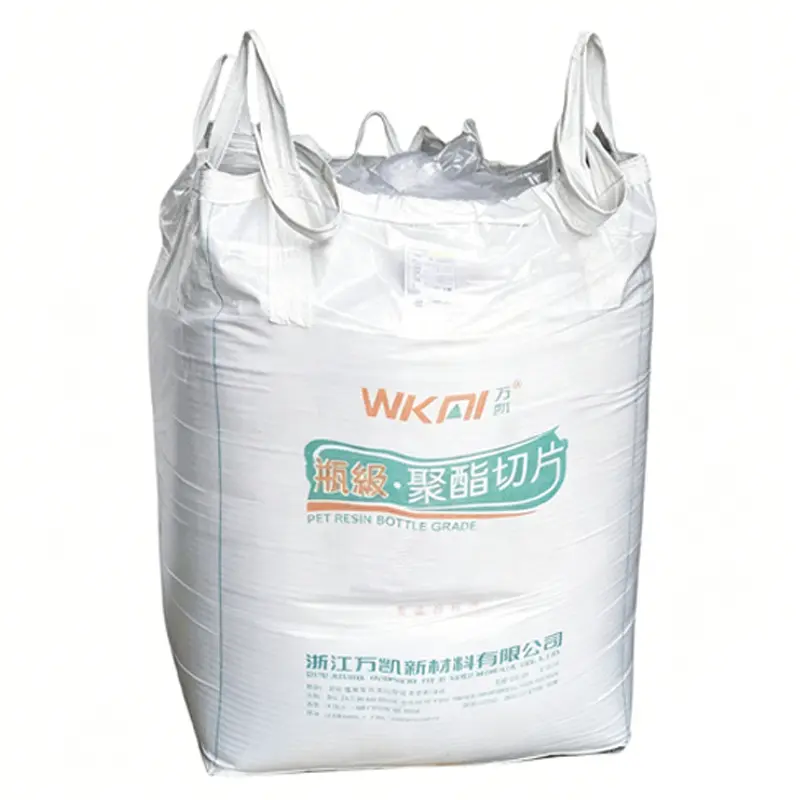
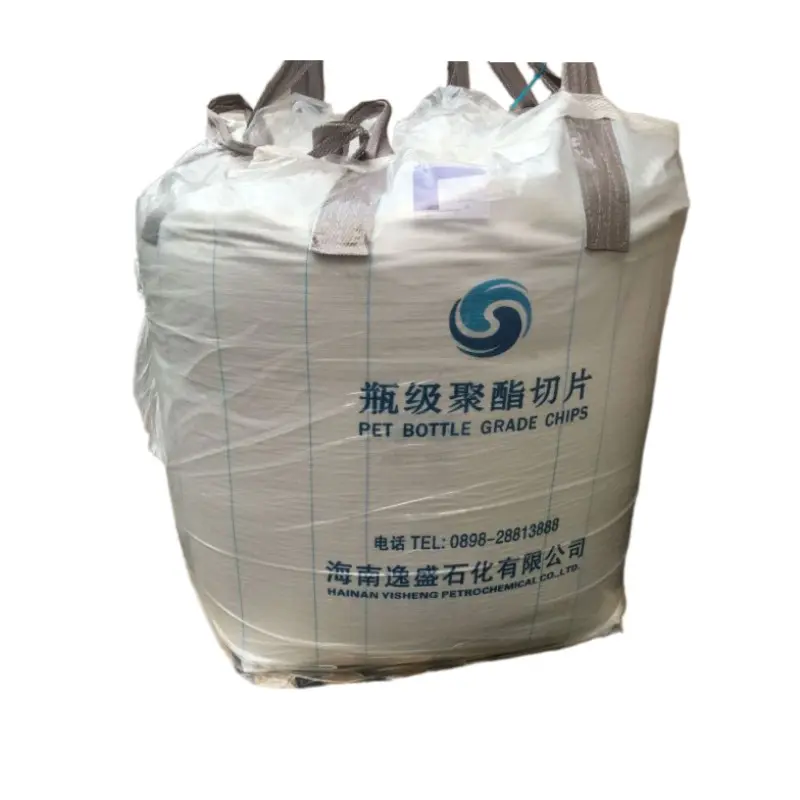
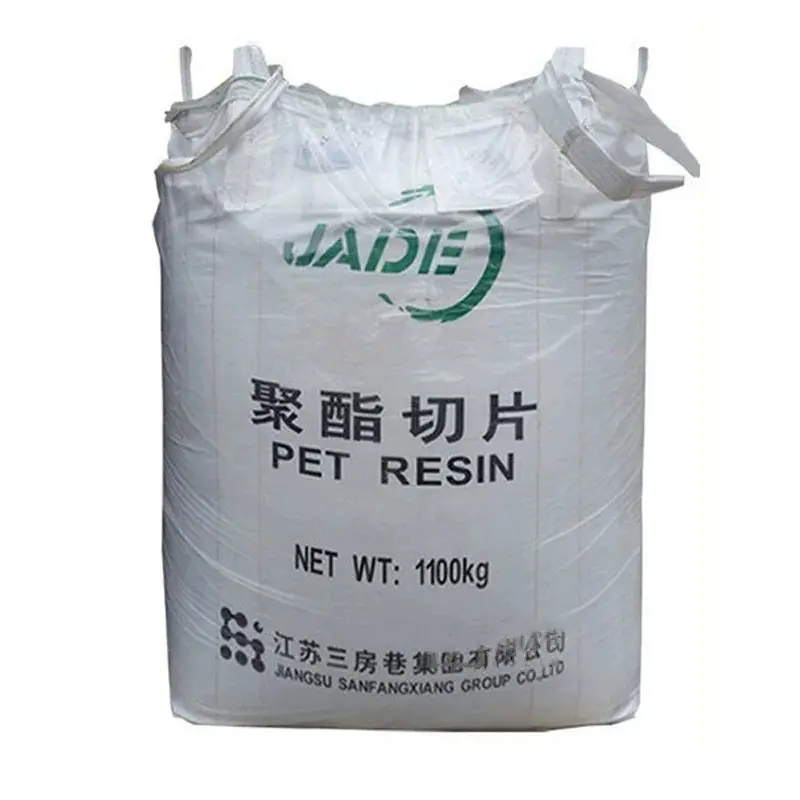
- Packaging Specifications: Standard packaging consists of 25 kg film-lined woven bags or Kraft paper composite bags with an inner polyethylene film layer for moisture protection. Jumbo bags (Big Bags, typically 500 kg or 1000 kg) are also available upon customer request to accommodate continuous feeding requirements in automated preform production lines.
- Supply Attribute: CZ-328 is classified as a non-dangerous good (Non-DG) and complies with standard cargo transportation regulations. It supports 20-foot full container load (FCL) and less than container load (LCL) ocean and land freight operations, requiring no special hazardous material transport qualifications or vehicles.
- Delivery Lead Time: Backed by TaiKuo New Materials’ standing inventory at major ports and inland hubs, standard orders can achieve rapid turnaround. Specific lead times depend on Incoterms and destination port logistics conditions, typically arranging shipment following order confirmation.
- Compliance & Documentation Support: Each batch is accompanied by comprehensive quality management documents, including a Technical Data Sheet (TDS), Safety Data Sheet (SDS/MSDS), and Certificate of Analysis (COA). The product complies with RoHS directive and REACH regulation framework limits on restricted substances.
- ESG & Environmental Statement: As a recyclable thermoplastic polyester, PET possesses established pathways for mechanical recycling (bottle-to-bottle) and chemical recycling (depolymerization into monomers). We support circular economy practices, encouraging customers to sort and reprocess runner waste and off-spec parts during processing. Concurrently, we are committed to driving supply chain green transformation, ensuring controllable environmental impacts throughout the product’s life cycle in alignment with global sustainable development trends.
Frequently Asked Questions (FAQs)
Q1: What bottle capacity range is suitable for preforms produced with CZ-328 (0.83 dl/g IV)?
A1: An intrinsic viscosity of 0.83 dl/g falls within the medium-viscosity range, making it suitable for standard preforms yielding containers from 500 ml to 5 liters. For smaller bottles (< 500 ml), higher viscosity grades (e.g., 0.85–0.88 dl/g) can be selected to enhance preform strength; for large capacity containers (> 5 liters), lower viscosity grades (e.g., 0.78–0.80 dl/g) are recommended to improve blow-molding fluidity. Final selection should be comprehensively evaluated based on preform weight, wall thickness, and stretch blow-molding ratios.
Q2: Does the ≤ 1.0 ppm acetaldehyde content allow direct use for mineral water preforms?
A2: Acetaldehyde is a thermal degradation byproduct generated during PET processing that can affect water taste. CZ-328’s AA specification of ≤ 1.0 ppm satisfies general requirements for mineral water packaging, though ultimate food-contact compliance must still be verified against official FDA 21 CFR §177.1630 or EU 10/2011 compliance declarations provided by the manufacturer. End-products are advised to undergo third-party sensory testing and aqueous extraction tests prior to mass production to ensure no off-flavor migration occurs.
Q3: How can preform crystallization and transparency be controlled when processing this material?
A3: PET preforms require a transparent amorphous state, necessitating the suppression of crystallization. Key control points include: 1. Maintaining mold temperatures at 10–40 °C (chilled water) to prevent melt crystallization inside the mold; 2. Rapid cooling post-injection (cooling time of 8–15 seconds) to minimize high-temperature residency time; 3. An overall crystallinity of < 60% provides a sufficiently broad processing window, though further suppression can be achieved by adding 0.1–0.3% nucleation inhibitors or optimizing mold cooling channels. For hot-fill preforms (> 85 °C), reverse measures apply—raising mold temperatures and introducing nucleating agents to promote crystallization and increase heat resistance.
Q4: How does CZ-328 compare in processing and performance to standard market PET bottle grades like 0.80 dl/g and 0.85 dl/g?
A4: Viscosity variations directly dictate processing windows and final product performance. Compared to low-viscosity 0.80 dl/g resins, CZ-328 (0.83 dl/g) features higher melt strength, superior wall thickness uniformity during stretch blow molding, and better drop impact resistance and burst pressure for finished bottles, making it suited for carbonated soft drinks or long-distance transport demanding higher packaging safety. Compared to high-viscosity 0.85 dl/g materials, CZ-328 offers better melt flowability and lower injection filling resistance, helping shorten preform molding cycles and boost productivity, serving as an optimized baseline grade balancing manufacturing efficiency and bottle structural strength.