Product Overview & Key Features
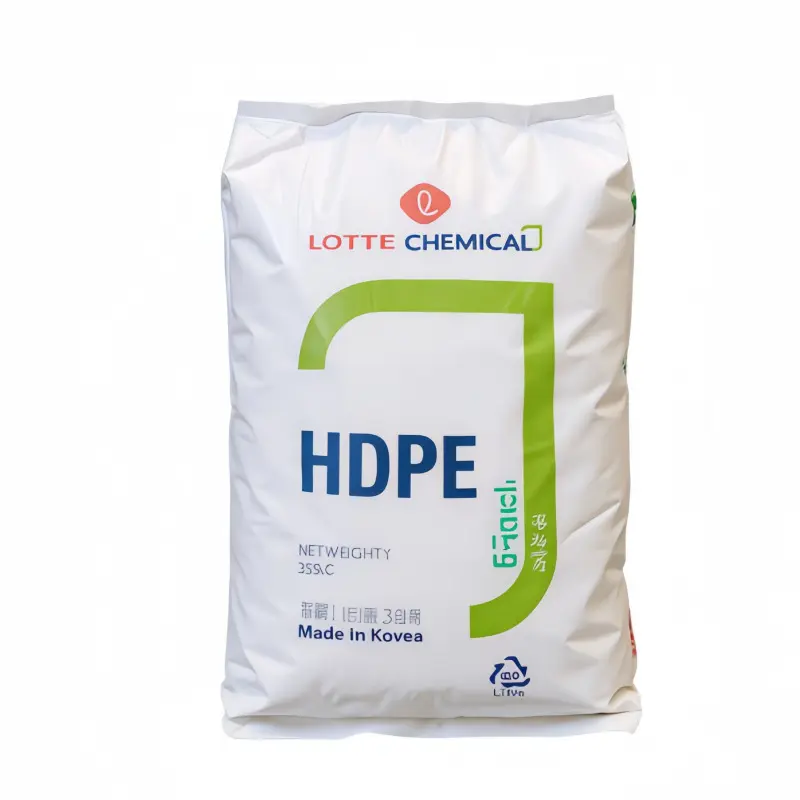
J2200 HDPE is produced by Lotte Chemical and belongs to the HIVOREX® series of high-density polyethylene (HDPE) raw materials. This grade is an injection-grade HDPE with a density of 0.965 g/cm³ and a melt flow rate of 5.0 g/10min, offering a balanced yield tensile strength, high elongation at break, alongside certain environmental stress crack resistance and rigidity performance. The material possesses the inherent chemical corrosion resistance of polyethylene substrates, capable of withstanding most non-strong oxidizing acid, alkali, and salt media. This grade is suitable for injection molding processes and can accommodate conventional thermoplastic injection equipment for product manufacturing.
Technical Specifications
Physical Properties
| Property | Test Condition | Test Value | Test Unit | Test Standard |
| Density | — | 0.965 | g/cm³ | ASTM D1505, ISO 1183 |
| Melt Flow Rate, Mass | 190°C, 2.16 kg | 5 | g/10min | ASTM D1238, ISO 1133 |
Mechanical Properties
| Property | Test Condition | Test Value | Test Unit | Test Standard |
| Tensile Strength, Yield | — | 25.5 | MPa | ASTM D638 |
| Tensile Strength, Yield | — | 25 | MPa | ISO 527‑2 |
| Tensile Strain, Break | — | >500 | % | ASTM D638, ISO 527‑2 |
| Flexural Modulus | — | 1320 | MPa | ASTM D790 |
| Flexural Modulus | — | 1000 | MPa | ISO 178 |
| Izod Impact Strength, Notched | 23°C | 79 | J/m | ASTM D256 |
| Izod Impact Strength, Notched | 23°C | 50 | J/m | ISO 180 |
Thermal Properties
| Property | Test Condition | Test Value | Test Unit | Test Standard |
| Vicat Softening Point | — | 124 | °C | ISO 306, ASTM D1525 |
Disclaimer: The technical specifications for Lotte Chemical HIVOREX J2200 HDPE presented herein are derived from data issued by Lotte Chemical or certified third‑party testing institutions. While we have made every effort to ensure the accuracy of the information provided, we assume no liability for any consequences arising from the use of HIVOREX J2200 HDPE based on these data. Given the variables involved in processing conditions, we strongly recommend conducting thorough trials of HIVOREX J2200 HDPE under your specific operational environment prior to final material selection.
Applications & Processing Guidelines
Recommended Application Scenarios
This injection-grade HDPE is suitable for producing various industrial and daily-use injection-molded products, including plastic containers, industrial components, logistic accessories, household structural parts, and general plastic housings. It can be utilized in operational work conditions requiring rigidity, chemical resistance, and basic stress-cracking resistance.
Processing Essentials
- This grade features a melt flow rate of 5.0 g/10min, classifying it as a medium-flow HDPE compatible with standard injection screws. The processing temperature range is recommended to be set at 180–220°C, with micro-adjustments made according to part wall thickness.
- HDPE raw materials generally do not require pre-drying. If storage humidity is extremely high and condensation appears on the surface of the pellets, a brief drying treatment at 60–80°C can be performed.
- Injection back pressure should not be excessively high to prevent melt overheating and degradation. Sufficient cooling time must be ensured during the cooling stage to reduce the risk of product shrinkage and warpage.
- Prior to official mass production, trial molding verification must be conducted based on your own equipment and molds to confirm that product performance meets terminal working conditions.
Logistics, Packaging & Compliance
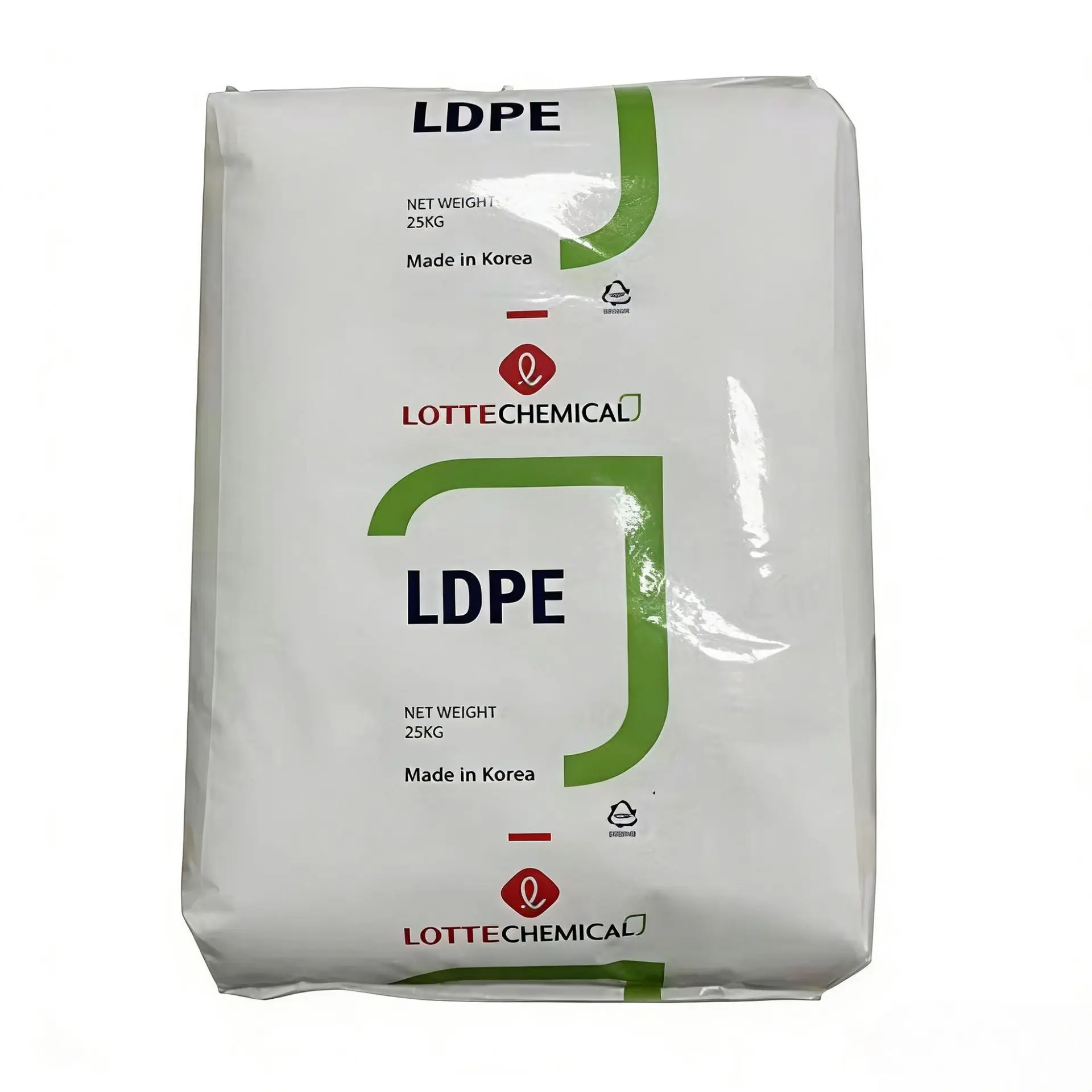
- Packaging Specifications: Standard factory packaging consists of 25 kg moisture-proof woven bags.
- Hazardous Material Attributes: Classified as a non-hazardous chemical and stored/transported as general chemical plastic pellets.
- Delivery Lead Time: Regular spot stock can be arranged for short-cycle dispatch; overseas orders depend on ocean/land freight space, with delivery timelines influenced by port and customs clearance stages. Full Container Load (FCL) and Less than Container Load (LCL) shipments are supported, allowing consolidation with other thermoplastic resins.
- Compliance Documents: Certificates of Analysis (COA) can be provided along with shipments, alongside TDS and MSDS documents. This grade satisfies basic compliance requirements for REACH and RoHS, making it suitable for export in most general industrial products.
- ESG Environmental Declaration: This material is a thermoplastic polyethylene, and finished products can be recycled and reprocessed; waste disposal should comply with local plastic waste management regulations.
Frequently Asked Questions (FAQs)
Q1: Must Lotte Chemical HIVOREX J2200 HDPE be dried prior to feeding?
A: Under normal storage conditions, this grade features extremely low moisture content and does not require forced drying. When the raw material absorbs moisture or exhibits condensation, drying at 60–80°C is recommended, with a duration controlled between 2 to 4 hours.
Q2: Is this grade suitable for products requiring long-term resistance to environmental stress cracking in practical applications?
A: High-density, high-rigidity injection-grade PE materials are generally sensitive to environmental stress cracking. If terminal products need to withstand rigorous environmental stress over the long term, actual operating condition simulation tests must be conducted for evaluation, rather than relying solely on baseline parameters for direct selection.
Q3: What processing parameters require focused attention during injection molding of a 5.0 MFR HDPE?
A3: For medium-flow HDPE, key controls include barrel temperature, back pressure, and cooling time. Temperatures should not exceed 230°C to prevent thermal degradation; back pressure should be maintained at a lower level; HDPE exhibits relatively high molding shrinkage, requiring adequate cooling time to reduce the probability of finished product warpage and deformation.
Q4: Can samples of HIVOREX J2200 HDPE be requested for laboratory and trial molding purposes?
A4: Sample requests are supported, though sample and freight costs are to be borne by the customer. Upon receiving the samples, customers are advised to prioritize laboratory performance testing and small-batch trial molding to confirm material compatibility with their own products before proceeding with bulk procurement.