Product Overview & Characteristics
Basic Product Information
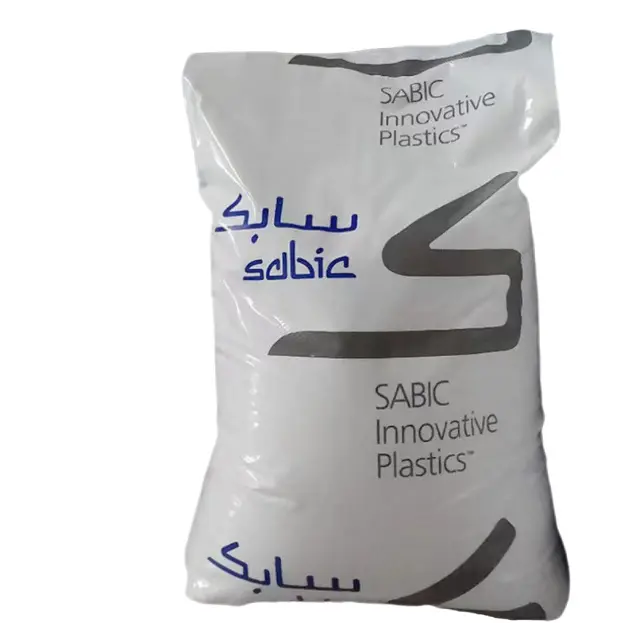
SABIC M200056 is a medium melt flow high-density polyethylene (HDPE) grade introduced by SABIC (Saudi Basic Industries Corporation). Featuring a density of 0.956 g/cm³ and a melt flow rate of 20 g/10min, this product has undergone rigorous third-party certification testing and is widely used in medium-to-high-end injection molding, blown film manufacturing, and extrusion application fields.
Core Performance Advantages
- Superior Environmental Stress Crack Resistance : M200056 performs stably under harsh environmental stress conditions, with an ESCR (Environmental Stress Crack Resistance) of 2.0 hours and an FSCR (Full Notch Tensile Stress Crack Resistance) of 3.0 hours, meaning that even when exposed to surfactants or chemical reagents during operation, the product’s crack resistance maintains reliable long-term stability. This characteristic is crucial for liquid storage containers, chemical packaging products, and similar applications.
- Balanced Rigidity and Flexibility : A tensile modulus of 800 MPa ensures structural rigidity and dimensional stability in finished products, while a tensile strain exceeding 200% fully demonstrates the material’s excellent elongation and impact absorption capacity. This combination of rigidity and flexibility makes it particularly suitable for end products required to withstand dynamic stress or drop impacts.
- Broad Operating Temperature Range : With a Vicat softening temperature as high as 124 °C and a brittleness temperature below -75 °C, M200056 maintains stable performance across a wide range of application environments from cryogenic conditions to regular high temperatures. A Shore D hardness of 60 further reinforces the dimensional controllability of the material under fluctuating thermal conditions.
- Stable Processing Fluidity : The medium melt flow index (20 g/10min) satisfies both the precision fluidity requirements of precision injection-molded products and the efficient production tempo of blown film and extrusion processes. This melt flow level prevents molecular chain degradation or bubble defects during molding, facilitating enhanced production stability and extended mold life.
- Versatile Processing Adaptability : M200056 supports mainstream thermal processing techniques such as injection molding, blow molding, and extrusion, featuring a relatively wide processing window and good mold compatibility, making it especially suitable for industrial-grade raw material purchasers aiming for multi-process development and product line expansion.
Technical Parameters & Specifications
Physical Properties
| Physical Property | Test Value | Test Unit | Test Standard |
| Density 23°C | 0.956 | g/cm³ | ASTM D1505 |
| Melt Mass-Flow Rate (MFR) 190°C, 2.16 kg | 20 | g/10min | ASTM D1238 |
| Environmental Stress Crack Resistance (ESCR) F50.0, 10% Igepal | 2 | hr | ASTM D1693B |
| Full Notch Tensile Stress Crack Resistance (FSCR), Compression Molded F50.0, 100% Igepal | 3 | hr | ASTM D1693B |
| Shore D Hardness | 60 | — | ASTM D2240 |
Mechanical Properties
| Mechanical Property | Test Value | Test Unit | Test Standard |
| Tensile Modulus, 1% Secant | 800 | MPa | ASTM D638 |
| Tensile Stress at Yield | 24 | MPa | ASTM D638 |
| Tensile Stress at Break | 12 | MPa | ASTM D638 |
| Tensile Strain at Break | > 200 | % | ASTM D638 |
| Flexural Modulus (Type 1A) | 825 | MPa | ISO 178 |
| Flexural Strength | 23 | MPa | ASTM D790 |
| Izod Impact Strength, Unnotched, Injection Molded | 30 | J/m | ASTM D256 |
Thermal Properties
| Thermal Property | Test Value | Test Unit | Test Standard |
| Brittleness Temperature | < -75.0 | °C | ASTM D746 |
| Vicat Softening Temperature | 124 | °C | ASTM D1525 |
Disclaimer: The technical specifications for SABIC M200056 HDPE presented herein are derived from data issued by SABIC Corporation or certified third-party testing institutions. While we have made every effort to ensure the accuracy of the information provided, we assume no liability for any consequences arising from the use of M200056 based on these data. Given the variables involved in processing conditions, we strongly recommend conducting thorough trials of M200056 under your specific operational environment prior to final material selection.
Application Scenarios & Processing Guidelines
Typical Application Fields
The unique performance combination of SABIC M200056 HDPE has earned it widespread recognition across the following application fields:
- Containers & Packaging: Chemical liquid drums, food contact containers, medical device packaging, fuel tank liners, etc. High ESCR/FSCR performance ensures crack resistance stability during long-term storage, making it exceptionally suited for environments involving contact with organic solvents or surfactants.
- Blown Films & Consumer Goods: Supermarket plastic bags, garbage bags, daily-use film products, etc. Outstanding elongation and impact strength ensure that products resist breakage during distribution and use, while low-temperature brittleness properties maintain reliability in cold-chain logistics environments.
- Injection Molded Products: Automotive auxiliary tanks, pipe fittings, industrial fixtures, home appliance accessories, etc. A tensile modulus of 800 MPa guarantees structural rigidity for load-bearing components, while high elongation absorbs dynamic vibrations and facilitates manageable mold temperature control.
- Pipes & Structural Parts: Drainage pipes, gas distribution pipes, strapping bands, chemical equipment brackets, etc. The hardness and broad operating temperature range of this grade adapt it to diverse installation environments and long-term service conditions.
Processing Guidelines
- Injection Molding: Barrel temperatures are recommended to be controlled within 200–230 °C with uniform staged heating. Given the medium melt flow index, a moderate injection speed is advised to balance filling time and product quality. Holding pressure should be set at 50–80 MPa, mold temperature at 40–60 °C, and sufficient cooling is necessary to secure dimensional accuracy and surface quality.
- Blow Molding: For film blowing, barrel temperatures should range from 190–220 °C, while air ring temperature and take-up speed must be coordinated to control film thickness uniformity. The medium fluidity of M200056 effectively reduces bubble burst rates during film blowing, and its superior low-temperature performance keeps the cooling and setting stage relatively stable and controllable.
- Extrusion Applications: Extrusion temperatures should be maintained at 180–220 °C, with screw speeds adjusted within 50–100 rpm based on capacity demands (depending on screw diameter and die design). Using an extruder equipped with a screen pack is recommended to enhance product surface quality. A density setting of 0.956 g/cm³ ensures good compatibility and surface finish in extruded items.
- Drying Treatment: Although HDPE has relatively low moisture absorption, drying prior to processing is recommended to guarantee optimal results. Recommended conditions are 80 °C for 1–2 hours, reducing relative humidity below 0.1%. Particularly in high-precision injection applications, thorough drying helps eliminate bubbles and flow mark defects.
Logistics, Packaging & Compliance Guarantees
Packaging & Transportation
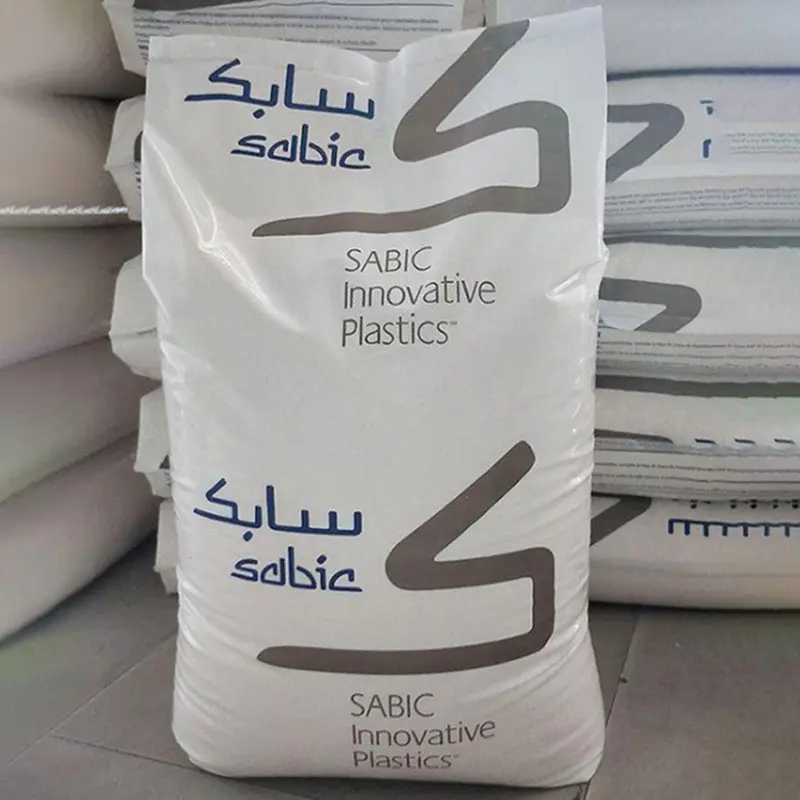
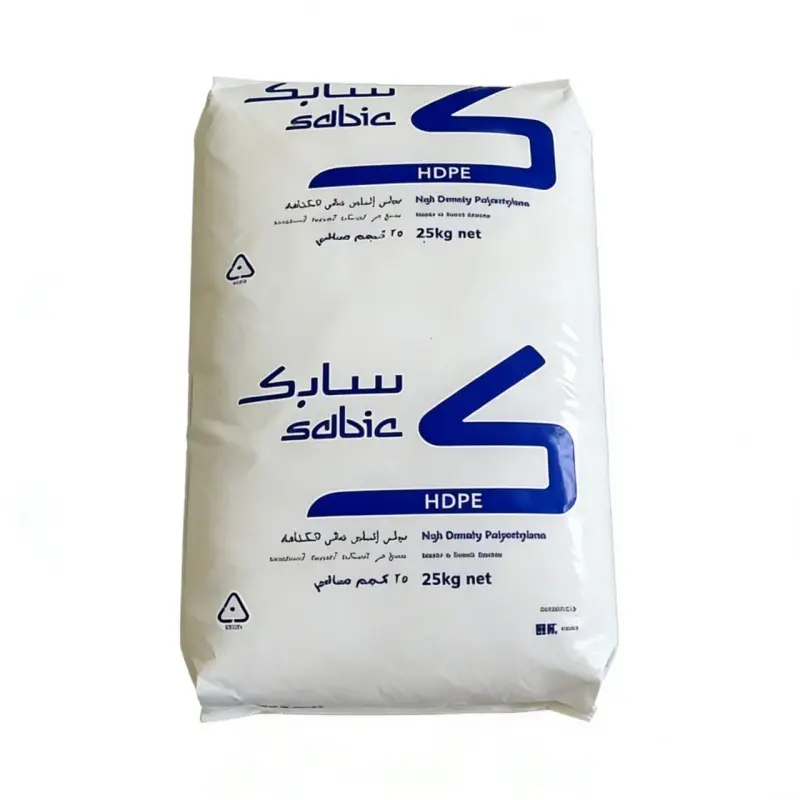
- SABIC M200056 HDPE is standard-packaged in 25 kg moisture-proof aluminum-plastic bags using a dual-layer sealed design, ensuring stable moisture content during storage and long-distance transport. The product is classified as non-hazardous chemical material and can be shipped via conventional industrial rail, highway, marine, and air freight.
- LCL Delivery: Supports small-batch consolidated shipping with flexible minimum order quantities (starting from 500 kg); standard ocean transit takes 7–14 days within the Asia-Pacific region. Bulk procurement (≥5 tons) benefits from professional logistics planning and pricing optimization space.
Compliance Certifications & Documentation
We provide complete quality assurance documentation for every batch of M200056, including:
- TDS (Technical Data Sheet): Parameter verification and compliance declarations sourced from SABIC official standards.
- MSDS (Material Safety Data Sheet): Safety guidelines covering packaging, storage, and emergency response.
- COA (Certificate of Analysis): Batch test reports issued by third-party laboratories covering density, melt index, mechanical properties, and other critical metrics.
- REACH Compliance Guarantee: Complies with EU REACH regulations, with all chemical substances falling within authorized or exempted ranges.
- RoHS 2.0 Certification: Confirms that heavy metals, brominated flame retardants, and other restricted hazardous substances do not exceed thresholds.
Compliance & Application Considerations
The base material of SABIC M200056 can be used for food contact applications; however, specific applications require verification that the end-product processing techniques and additive formulations comply with relevant regulations (such as EU 1935/2004 or China GB 4806.2). We can assist in obtaining corresponding food-grade certifications or application support files based on purchaser requirements.
Frequently Asked Questions (FAQs)
Q1: Does M200056 require drying? If so, how should drying conditions be controlled?
A: Drying treatment is recommended. Although HDPE exhibits lower moisture absorption compared to PA or PET, ambient humidity can still cause bubbles or flow lines during molding. Recommended drying conditions are 80 °C for 1–2 hours, reducing relative humidity below 0.1%. Thorough drying is especially crucial for high-precision injection-molded products (e.g., precision fixtures, precision fittings). When using original packaging (25 kg moisture-proof bags), drying is typically unnecessary under standard storage conditions; however, once opened, immediate feeding or vacuum-sealed storage is advised.
Q2: What are the main differences between M200056 and other common HDPE grades? How do I determine if it suits my application?
A: The defining feature of M200056 is its balanced design of “medium density, high environmental stress crack resistance, and high elongation.” Specifically: its density of 0.956 g/cm³ sits right in the middle of the HDPE range (0.941–0.965 g/cm³); its environmental stress crack resistance (ESCR 2.0 hr, FSCR 3.0 hr) ranks above average among peers, making it uniquely suited for long-term chemical-contact packaging applications; and a tensile strain > 200% indicates exceptional toughness, resisting brittle failure under low temperatures or impact. If your application demands high crack resistance, good elongation, and versatile processability, M200056 is the recommended primary choice. If your focus centers on extreme rigidity (>900 MPa) or high heat resistance (>130°C), other high-density or copolymer-modified HDPE grades should be considered. Small-batch sample trials (typically 2–5 kg) under actual operational conditions are recommended to validate performance metrics.
Q3: Why is the melt flow index of this product set at 20? How does it impact my processing operations?
A: A melt flow index of 20 g/10min falls into the medium range. The advantages of this setting include: fluidity is sufficient to fill thin-walled or complex geometries without dropping melt strength too low. In practical processing, this translates to a relatively wide mold temperature tolerance (40–60 °C) without requiring strict control at extreme lows; injection speeds can use moderate settings (50–100 mm/s) to guarantee cavity fill while reducing degradation risks induced by shear heat; and film blowing bubble burst rates remain low, keeping production efficiency relatively stable. If your existing setup utilizes extremely high or extremely low melt index materials, running small trials with a small quantity of M200056 first—fine-tuning processing parameters (primarily barrel temperature by ±5 °C and screw speed by ±10%)—will typically allow for a swift transition and identification of the optimal processing window.
Q4: What is the procedure and cost for sample procurement? What is the delivery lead time?
A: We welcome you to apply for M200056 samples for evaluation. The sample application procedure is as follows: please send an inquiry email to our sales team including your company name, contact information, intended application field, and processing method (injection/film blowing/extrusion), along with your required sample quantity. Sample costs and freight charges are borne by the customer. Upon order confirmation, international clients typically receive shipments within 7–10 days via international courier services (DHL/FedEx).