Product Overview & Key Features
Basic Product Information
- Resin Manufacturer: Qatar Petrochemical
- Product Grade: MG70
- Base Material Category: Low Density Polyethylene (LDPE)
- Basic Physical Property Baseline: Density of 0.918 g/cm³ (23°C), melt flow rate of 70 g/10min (tested under ASTM D1238 standards), belonging to high-melt-index LDPE raw materials.
Core Material Characteristics
- Ultra-High Melt Fluidity: A high melt index of 70 g/10min endows the material with exceptional melt flow properties and low mold-filling resistance, making it suitable for thin-walled and complex small injection-molded parts, as well as serving as a masterbatch carrier or modified filling base resin with stable compounding and dispersion efficiency.
- Balanced Low-Temperature Thermal Properties: A Vicat softening temperature of 78°C, along with standard polyethylene resistance to weak acids, weak bases, alcohols, and other conventional chemical corrosion under room temperature, showing no tendency for stress cracking.
- Stable Molding Shrinkage Characteristics: A mold shrinkage rate of 1.5% with controllable molding dimensional fluctuations, facilitating tolerance control for mass-produced injection-molded items.
- Broad Processing Compatibility: As a pure LDPE base resin, it can be injection molded independently or blended and modified with HDPE and LLDPE, accommodating complex processing scenarios such as color masterbatch, filler masterbatch, and compatibilizer carriers.
Compatible Mainstream Processing Methods
Injection molding, extrusion pelletization (masterbatch carrier), coating modification, and filling/blending modification.
Technical Specifications
Physical Property Parameter
| Physical Property | Test Value | Test Unit | Test Standard |
| Melt Mass-Flow Rate | 70 | g/10min | ASTM D1238 |
| Density 23°C | 0.918 | g/cm³ | ASTM D1505 |
| Mold Shrinkage | 1.5 | % | ASTM D955 |
Thermal Property Parameter
| Thermal Property | Test Value | Test Unit | Test Standard |
| Vicat Softening Temperature | 78 | °C | ASTM D1525 |
Disclaimer: The technical specifications for Qatar Petrochemical MG70 LDPE presented herein are derived from data issued by Qatar Petrochemical or certified third-party testing institutions. While we have made every effort to ensure the accuracy of the information provided, we assume no liability for any consequences arising from the use of MG70 based on these data. Given the variables involved in processing conditions, we strongly recommend conducting thorough trials of MG70 under your specific operational environment prior to final material selection.
Applications & Processing Guidelines
Recommended End-Use Application Fields
- Plastic Color Masterbatch Carrier: High melt-index properties ensure full dispersion of pigments and additives, while low viscosity reduces extruder loads, making it a mainstream base resin for general black and colored PE masterbatches.
- Thin-Walled Small Injection-Molded Products: Disposable small plastic items, plastic buckles, and micro plastic accessories benefit from rapid mold filling that shortens molding cycles and enhances output.
- Filler Modification Base Resin: Calcium carbonate and talc-filled modified PE raw materials benefit from improved filler wetting, reducing filler agglomeration.
- Hot-Melt Coating and Plastic Modification Compatibilizer Base: Features excellent compatibility with polyolefin substrates, utilized for interfacial improvement in plastic blending systems.
- Plastic Recycling Modification Flow Enhancer: Added in small amounts to low-melt-index PE raw materials to enhance melt flow and improve the processing performance of recycled materials.
Practical Processing Key Points
- Drying Treatment: This grade of LDPE exhibits extremely low moisture absorption and requires no pre-drying under conventional storage environments; if stored long-term in high humidity environments (relative humidity > 80%), dry in an oven at 60–70°C for 1–2 hours to remove surface moisture.
- Injection Temperature Range Reference: Barrel zones at 160–210°C, nozzle temperature at 180–200°C; high fluidity eliminates the need for excessively high processing temperatures, preventing thermal degradation of the material.
- Extrusion Pelletization Processing: Medium-to-low screw speeds are recommended, with die head temperatures controlled at 170–190°C to lower melt pressure and minimize strand breakage during output.
- Molding Shrinkage Control: With a fixed mold shrinkage rate of 1.5%, shrinkage allowances can be pre-designed during the mold design phase to secure finished product dimensional accuracy.
- Blending Ratio Tip: When added as a flow-enhancing carrier, standard addition ratios range from 5% to 20%, adjustable based on product fluidity requirements.
Logistics, Packaging & Compliance
Standard Packaging Specifications
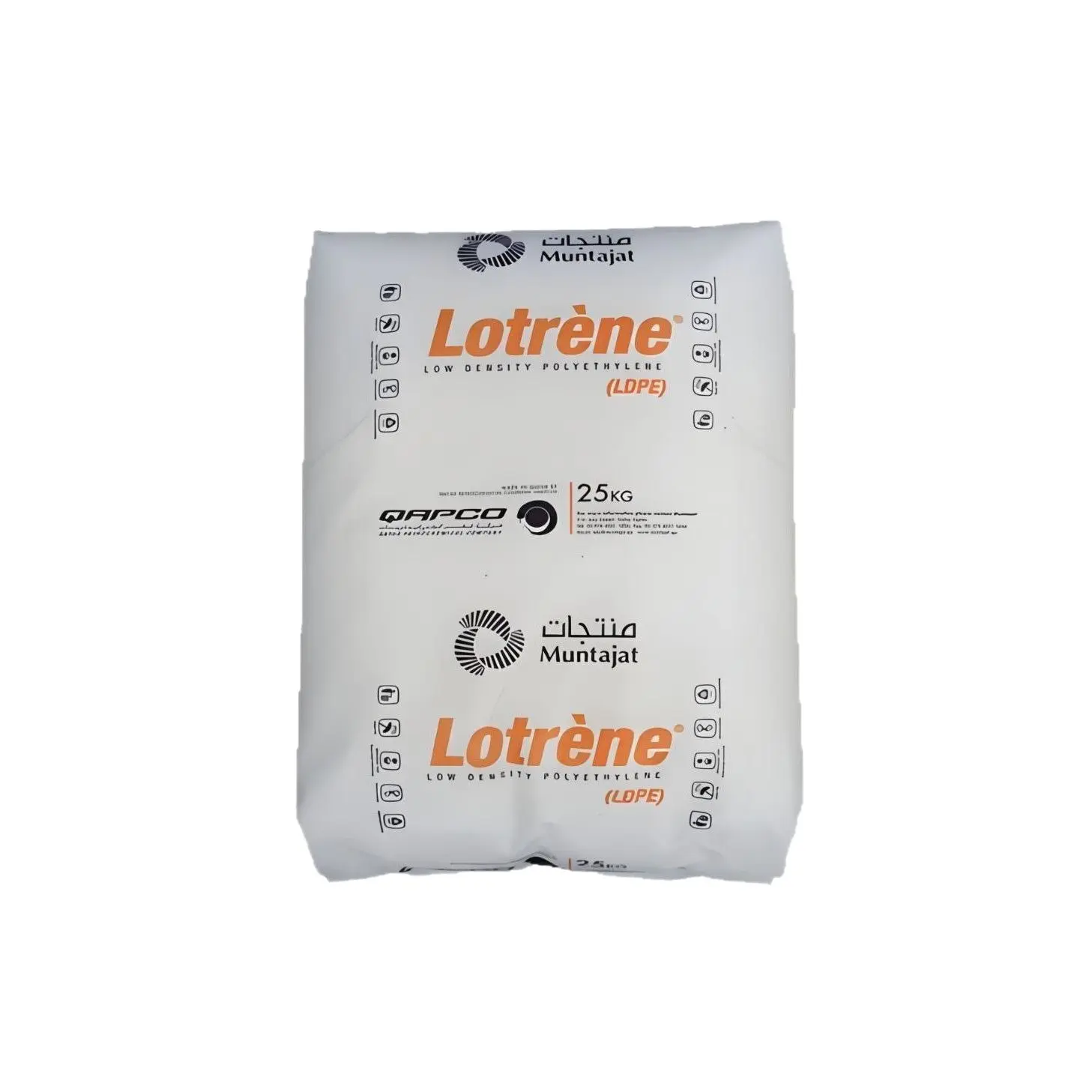
Original factory standard packaging: 25 kg moisture-proof woven-lined plastic bags, with bags printed with original Qatar Petrochemical grade markings and batch information; standard pallet loading is 1000 kg/pallet, secured with stretch wrap for dust and moisture protection.
Logistics Delivery Instructions
- Delivery Lead Time: Standard ocean shipping for export LCL/FCL regular schedules takes 18–35 days (varying by destination port region).
- Transport Suitability: Classified as non-hazardous chemical material, compatible with standard land and marine transportation without requiring hazardous transport qualifications, supporting full container load (FCL), less than container load (LCL), and bulk orders.
Compliance Documents & Environmental Certifications
- Accompanying Original Factory Documents: COA (Certificate of Analysis), TDS (Technical Data Sheet), and MSDS (Material Safety Data Sheet), with English versions available for overseas customs clearance.
- Compliance Certifications: Raw materials comply with EU REACH regulations and RoHS hazardous substance restriction standards, presenting no phthalate or heavy metal over-limit risks, suitable for indirect food-contact packaging and general industrial product exports.
- ESG Environmental Statement: Pure polyolefin material, recyclable, halogen-free base resin, with no additional toxic additives introduced during production, catering to the low-carbon recycled plastics industry chain demand.
Frequently Asked Questions (FAQs)
Q1: MG70 LDPE has a high melt index of 70. What are the core processing differences compared to conventional low-melt-index LDPE?
A: Conventional LDPE melt indices mostly range from 0.3 to 5 g/10min with weaker fluidity, primarily used for film extrusion; MG70 features extremely low melt viscosity, lower filling and compounding resistance, and shorter molding cycles, but lacks sufficient melt strength for blown film (prone to film tearing). It is preferentially used in injection molding and masterbatch pelletization scenarios and is not recommended for film extrusion processes.
Q2: When using MG70 as a color masterbatch carrier, is it necessary to add extra dispersing agents?
A: This grade’s base resin exhibits good inherent wetting properties, and its low viscosity can fully encapsulate pigments; light-colored masterbatches may reduce dispersing agent amounts, while high-concentration carbon black masterbatches are still recommended to be paired with a small amount of PE wax for synergistic dispersion, with specific proportions validated through trial runs on the customer’s own pelletization equipment.
Q3: Does MG70 raw material require drying after long-term storage? What are the storage requirements?
A: LDPE is virtually non-hygroscopic by nature and requires no drying within 12 months under standard cool and ventilated warehouse storage (temperatures < 30°C, avoiding direct sunlight); if packaging bags are damaged or subjected to prolonged rain and moisture exposure, drying at 65°C for 1.5 hours prior to machine processing is recommended.
Q4: Can MG70 LDPE samples be provided? What are the sample specifications and application procedures?
A: We support sample evaluations for overseas clients, with sample costs and freight charges borne by the purchaser. Upon submitting a sample request, sorting and dispatching are completed within 1–3 working days, accompanied by original factory COA and TDS documents. Once trial runs are finished, spot or futures procurement orders can be discussed in bulk.