Product Overview & Key Features
LyondellBasell Lupolen 1800H is a high-quality low-density polyethylene (LDPE) base resin manufactured by the internationally renowned chemical enterprise LyondellBasell. This grade features excellent flexibility, favorable processing stability, and balanced mechanical and thermal properties. With a density of 0.919 g/cm³ (ISO 1183) and a melt mass-flow rate (MFR) of 1.5 g/10min (190 °C, 2.16 kg), it combines good environmental stress crack resistance (ESCR) with moderate surface hardness (Shore D 45). Widely applicable to global extrusion, injection molding, and blow molding processes, this material serves as an ideal base raw material for manufacturing industrial and consumer-grade soft plastic products.
Technical Specifications
Physical Properties
| Physical Properties | Test Value | Test Unit | Test Standard |
| Density | 0.919 | g/cm³ | ISO 1183 |
| Melt mass-flow rate (MFR) (190 °C, 2.16 kg) | 1.5 | g/10min | ISO 1133 |
| Environmental Stress Crack Resistance (ESCR) (10% Arkopal N100) | 5 | h | ASTM D1693B |
| Shore Hardness D | 45 | — | ISO 868 |
| Ball Indentation Hardness (H 49/30) | 15 | MPa | ISO 2039-1 |
Mechanical Properties
| Mechanical Properties | Test Value | Test Unit | Test Standard |
| Tensile Modulus | 200 | MPa | ISO 527-2 |
| Tensile Stress at Yield | 9 | MPa | ISO 527-2 |
Thermal Properties
| Thermal Properties | Test Value | Test Unit | Test Standard |
| Vicat Softening Temperature | 91 | °C | ISO 306/A50 |
| Melting Temperature, DSC | 108 | °C | ISO 3146 |
Disclaimer: The technical specifications for LyondellBasell Lupolen 1800H presented herein are derived from data issued by LyondellBasell or certified third-party testing institutions. While we have made every effort to ensure the accuracy of the information provided, we assume no liability for any consequences arising from the use of Lupolen 1800H based on these data. Given the variables involved in processing conditions, we strongly recommend conducting thorough trials of Lupolen 1800H under your specific operational environment prior to final material selection.
Applications & Processing Guidelines
Typical Application Scenarios: Suitable for producing various packaging films, containers, hoses, daily consumer goods accessories, and industrial extrusion and injection-molded products requiring resilience.
Processing Recommendations:
- Melting and Temperature Control: The melting temperature (DSC) of this grade is approximately 108 °C. Regular extrusion or injection molding temperatures are generally recommended to be set between 160 °C and 220 °C, which can be fine-tuned according to the screw configuration and shear rate of the equipment.
- Drying Treatment: LDPE is a polymer with extremely low moisture absorption and typically requires no complex drying treatment under normal storage conditions. If exposed to moisture or stored in high-humidity overseas warehouse environments, simple pre-drying at 60 °C to 70 °C for 1-2 hours is recommended to ensure surface gloss and product quality.
Logistics, Packaging & Compliance
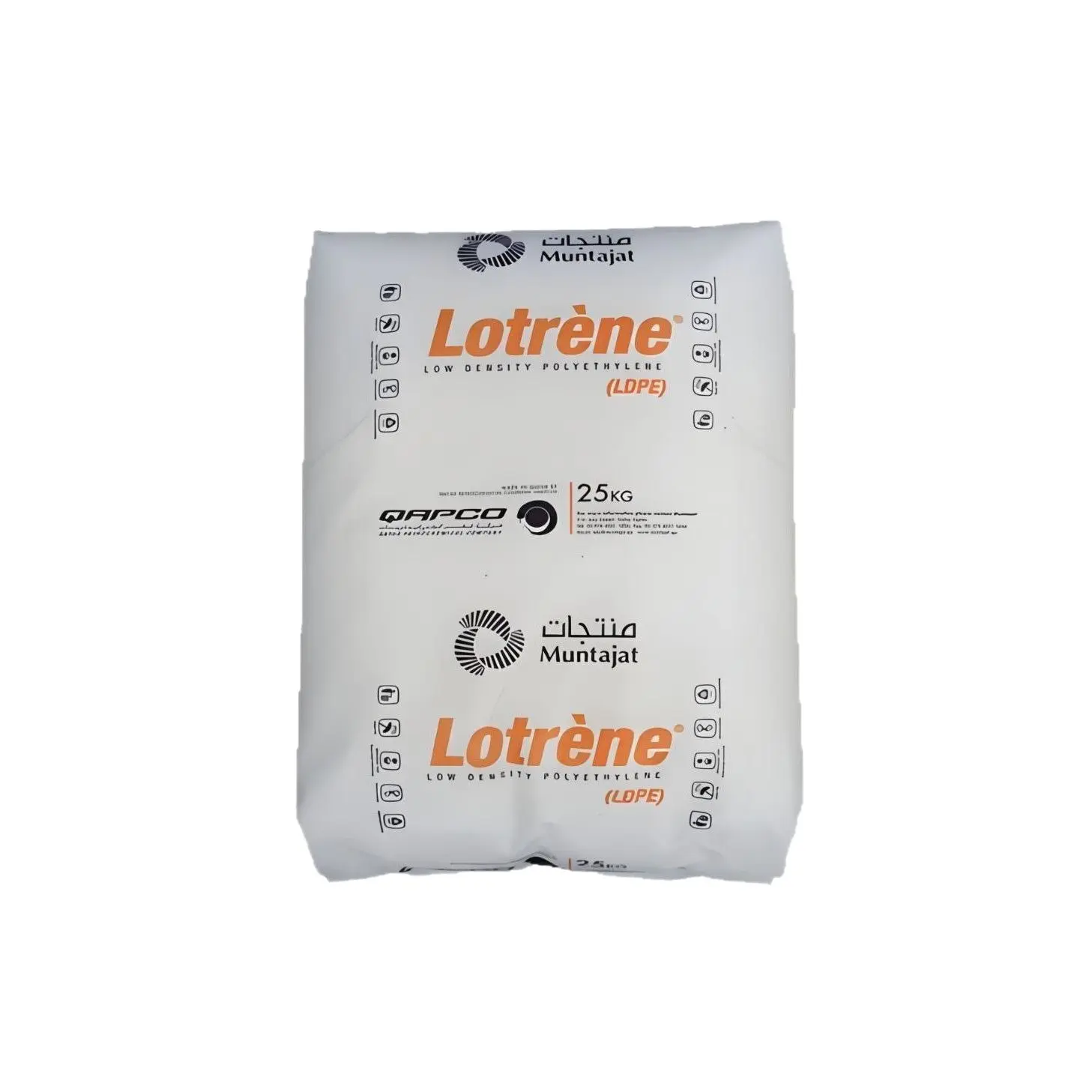
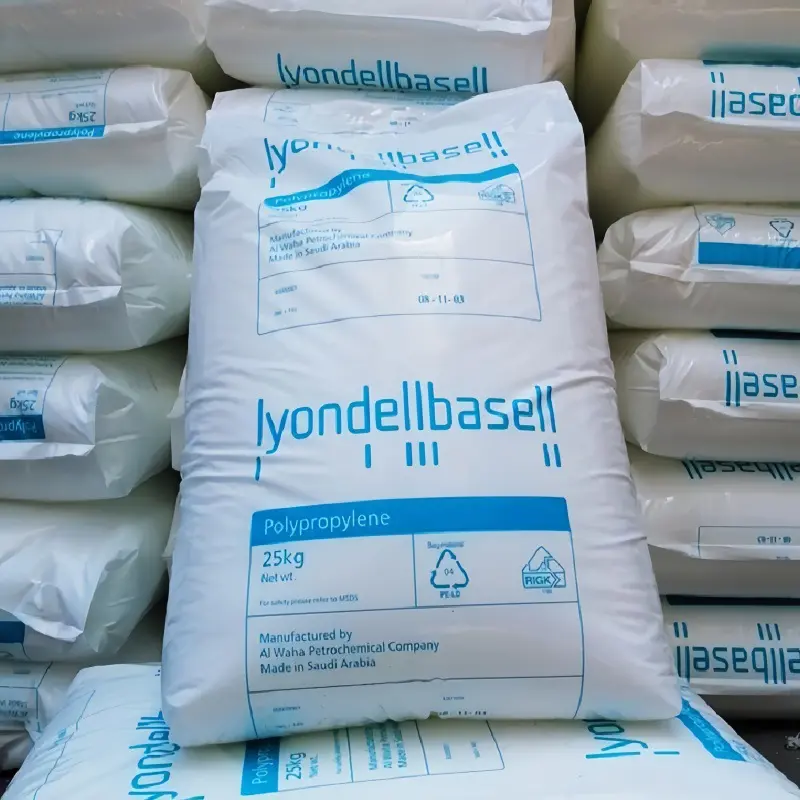
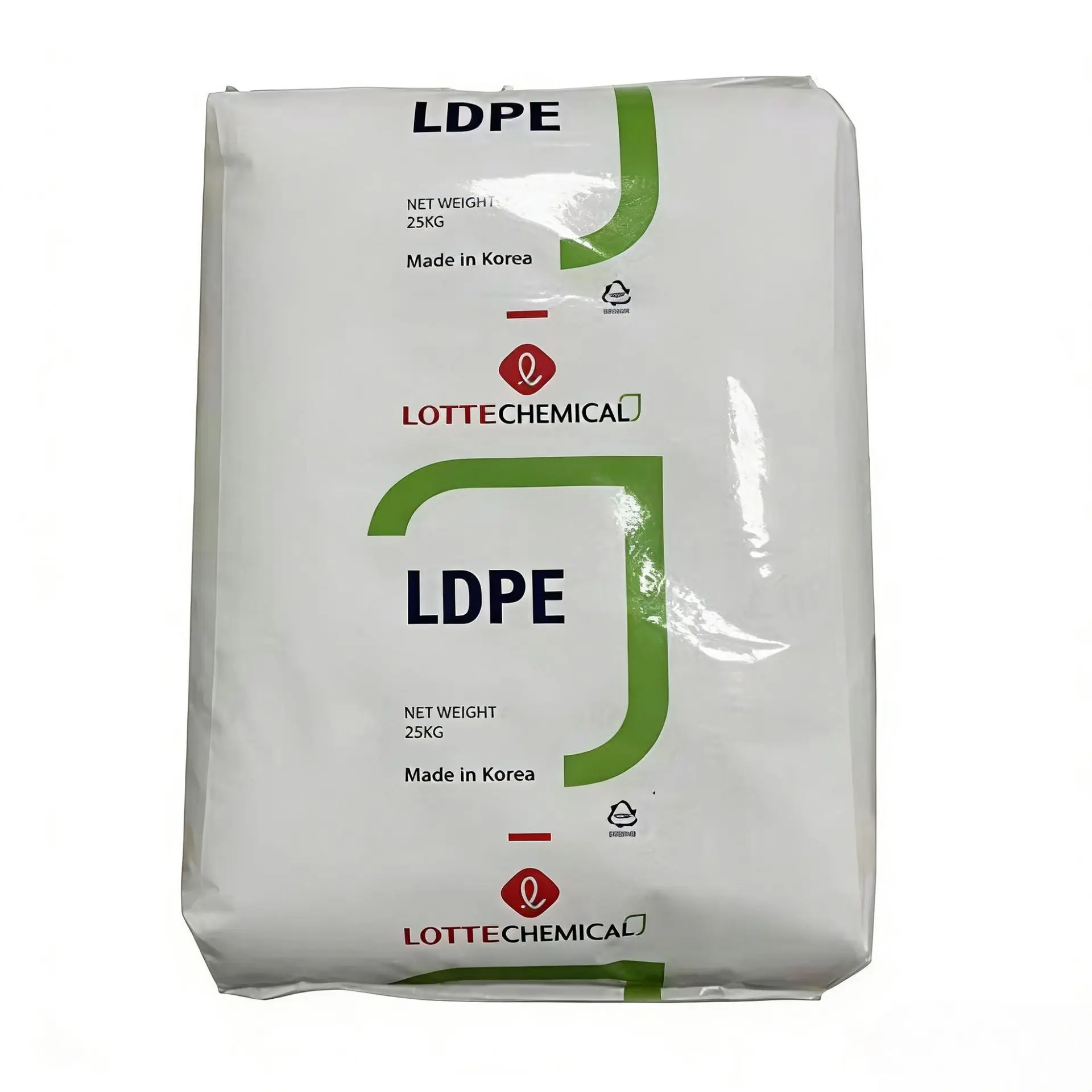
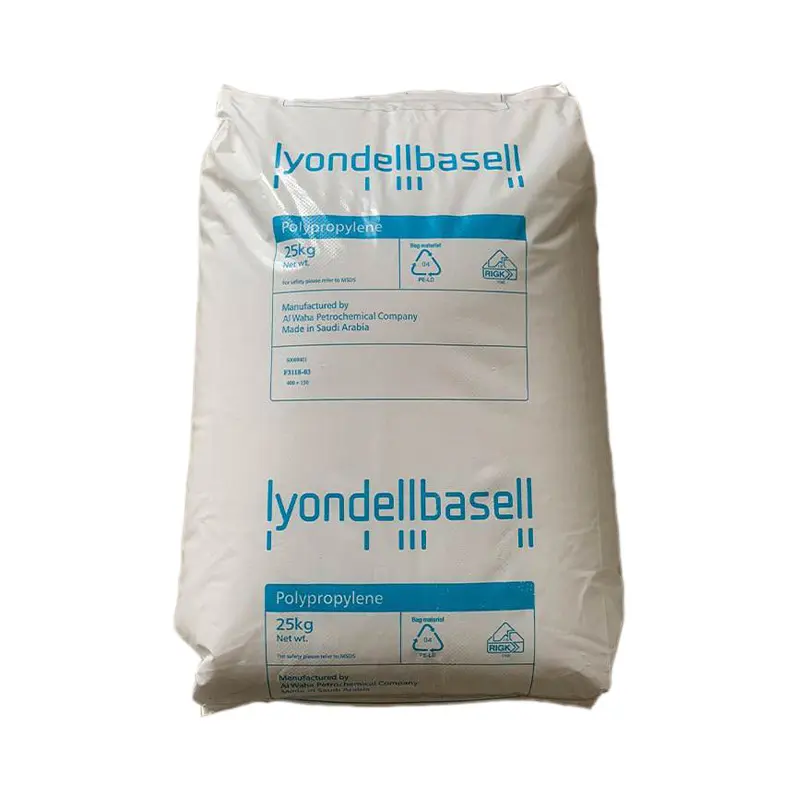
- Packaging Specifications: Standard industrial moisture-proof packaging, utilizing 25 kg/bag composite plastic woven bags or heavy-duty paper bags, with palletized packaging available upon customer request.
- Hazardous Materials Attribute: This product belongs to non-hazardous goods and is shipped compliant with regular industrial chemicals across marine, land, and air transport.
- Delivery & Shipping: Supports efficient LCL (Less than Container Load) and FCL (Full Container Load) ocean freight and land consolidation services across major global ports, ensuring stable lead times for stock products.
- Compliance & Environmental Statement: Official TDS, MSDS, and COA quality certificates can be provided. Product manufacturing and control comply with EU REACH regulations and RoHS directives, meeting environmental compliance requirements of mainstream global markets.
FAQs
Q1: Is high-temperature drying mandatory for Lupolen 1800H prior to factory processing?
A1: PE materials possess inherently minimal moisture absorption; however, following prolonged ocean transit or high-humidity warehousing, minor pre-drying (60-70 °C for 1-2 hours) is advised to prevent surface blemishes or bubbles in injection-molded or extruded finished goods.
Q2: What type of molding processes are suitable for this grade’s melt index (1.5 g/10min)?
A2: A melt flow rate of 1.5 exhibits sound melt strength, rendering it exceptionally well-suited for extrusion molding, stretch/hollow blow molding, and targeted injection molding applications, thereby offering outstanding melt strength and toughness.
Q3: What Incoterms and Minimum Order Quantities (MOQ) does TaiKuo New Materials support for this grade?
A3: We support flexible international trade terms including FOB, CIF, and CFR to accommodate your logistical preferences. The standard Minimum Order Quantity (MOQ) typically starts at one full pallet (approximately 1 metric ton), while small-batch trial orders can be negotiated to support project development needs for overseas clients.
Q4: What packaging and protective measures are implemented for international ocean freight and consolidated logistics?
A4: Goods are uniformly packaged on standardized moisture-proof pallets secured with stretch wrapping, effectively mitigating moisture intrusion, compression risks, and transit damage during long-distance maritime shipping.