Product Overview & Key Features
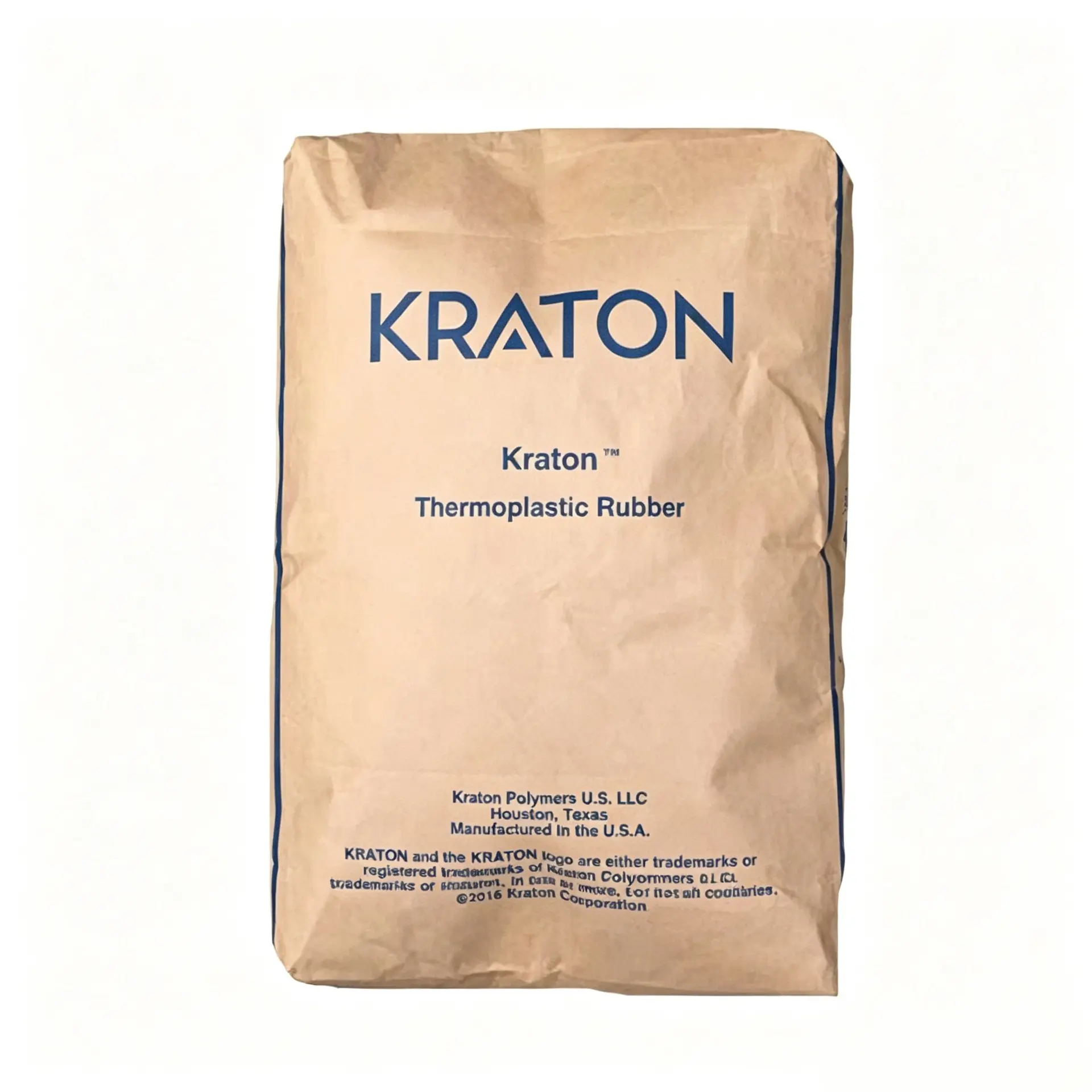
Manufacturer: Kraton Polymers LLC
Product Series: KRATON G Series Hydrogenated Styrenic Block Elastomers
Material Classification: SEBS (Styrene-Ethylene-Butylene-Styrene Block Copolymer)
Physical Appearance: Natural transparent/translucent pellets that are uniform and clean, free of impurities, agglomeration, and exudation, offering exceptional batch-to-batch stability.
KRATON G1650 E is a classic medium-high molecular weight saturated SEBS material from Kraton, featuring fully hydrogenated molecular chains and no unsaturated double bonds. This effectively avoids the common shortcomings of general elastomers, such as easy aging, yellowing, and poor weathering resistance. With a stable styrene content ranging from 28–31%, this grade balances exceptional mechanical properties, UV aging resistance, thermal-oxygen aging resistance, and low-temperature performance, while exhibiting good compatibility with polyolefin plastics, mineral filler systems, and solvent systems. As an industrial-grade universal modification and adhesive base material, it offers broad processing adaptability and high purity. It is widely applied in core B2B scenarios such as polymer toughening modification, industrial adhesives, soft elastic products, and outdoor weather-resistant accessories, making it a highly versatile premium SEBS grade in the global rubber and plastics modification and adhesive industries.
Core Performance Advantages
- Outstanding Weathering and Anti-Aging Performance: Fully hydrogenated molecular structure provides stable resistance against ultraviolet rays, ozone, and thermal-oxygen aging, preventing cracking, yellowing, and performance degradation during long-term outdoor service, making it suitable for long-term industrial operating conditions.
- Balanced and Stable Mechanical Properties: Features a 35 MPa yield tensile strength and 500% elongation at break with good elastic recovery, providing sufficient toughness and fracture resistance under stress, along with excellent structural durability.
- High Processing Compatibility: Controllable solution viscosity range adapts to various processes such as solvent dissolution, hot-melt modification, twin-screw compounding, extrusion, and injection molding, offering a wide processing window and strong mass-production stability.
- High Purity and Low Exudation Characteristics: Volatiles < 0.5%, total extractables < 1%, and controllable ash content ensure high material purity, odorless processing, and zero blooming or exudation, making it ideal for high-end clean product manufacturing.
- Excellent Formulation Adjustability: Demonstrates good compatibility with polyolefins like PP and PE, as well as mineral oils and inorganic fillers, allowing flexible oil extension and filling modification to meet diverse formulation development needs.
- Adaptability to Mainstream Processing Technologies: Solvent dissolution adhesive preparation, hot-melt modification, twin-screw compounding modification, extrusion molding, and injection molding.
Technical Specifications
Physical Properties
| Property | Test Value | Test Unit | Test Standard |
| Density | 0.908 | g/cm³ | ISO 2781 |
| Solution Viscosity (20%w toluene solution at 25 ℃) | 1000–1900 | mPa·s | Internal Method |
| Ash, ES | 0.4–0.6 | % | ISO 247 |
| Polystyrene Content | 28–31 | % | Internal Method |
| Total Extractables | < 1 | % | Internal Method |
| Volatiles | < 0.5 | % | Internal Method |
Mechanical Properties
| Property | Test Value | Test Unit | Test Standard |
| Tensile Stress (300% Strain) | 5.6 | MPa | ISO 37 |
| Tensile Strength at Yield | 35 | MPa | ISO 37 |
| Tensile Strain at Break | 500 | % | ISO 37 |
Disclaimer: The technical specifications for Kraton G1650 E presented herein are derived from data issued by Kraton Polymers LLC or certified third-party testing institutions. While we have made every effort to ensure the accuracy of the information provided, we assume no liability for any consequences arising from the use of G1650 E based on these data. Given the variables involved in processing conditions, we strongly recommend conducting thorough trials of G1650 E under your specific operational environment prior to final material selection.
Applications & Processing Guidelines
Typical Application Scenarios
- Polymer Modification: Utilized for toughening general engineering plastics such as PP, PE, PS, and PPO, effectively enhancing substrate impact resistance, low-temperature performance, and weathering resistance while improving material brittleness defects, suitable for home appliance and automotive interior modified pellet production.
- Industrial Adhesives and Sealants: Serving as a core base material for hot-melt pressure-sensitive adhesives, solvent-based bonding adhesives, construction sealants, and industrial fixing glues, its stable viscosity and cohesive strength adapt to outdoor bonding, protective sealing, and tape coating scenarios.
- Soft TPE Elastic Products: Oil-extended modification for producing flexible grips, anti-slip gaskets, protective sleeves, and daily-use soft plastic accessories, delivering a delicate hand-feel, stable resilience, and wear resistance.
- Outdoor Industrial Accessories: Applied in outdoor waterproof seals, rubber-plastic protective components, and landscape fittings, leveraging superior UV and thermal-oxygen aging resistance to meet long-term open-air service demands.
- Wire and Cable Auxiliaries: Flexible cable insulation layers and jacket modification base materials, enhancing cable flexibility and weathering durability for both indoor and outdoor wiring environments.
Processing Operation Key Points
- Drying Treatment Tips: Virgin sealed factory-packaged pellets feature extremely low moisture absorption and routine processing requires no pre-drying. If materials are damp, surface-condensed, or left unsealed for extended periods, constant-temperature drying at 80–90 ℃ for 2–4 hours is recommended to completely remove moisture and prevent product bubbles, silver streaks, or uneven bonding defects.
- Processing Temperature Control: Recommended overall processing temperature range is 190–240 ℃; compounding modification and hot-melt adhesive preparation can fine-tune temperatures and screw speeds according to formulation filler ratios and oil addition amounts to ensure full plasticization and compounding.
- Formulation Adaptability Points: This grade is compatible with mineral oil and inorganic filler systems, allowing flexible oil extension to adjust softness and fluidity as needed; gradient tests are required to determine optimal ratios and avoid mechanical performance degradation or material exudation caused by over-filling.
- Pre-Production Requirements: Processing equipment, temperature parameters, and formulation ratios all impact finished product performance; small-scale trials must be completed prior to official mass production to verify product mechanics, appearance, and stability indicators.
Logistics, Packaging & Compliance
- Packaging Specifications: Original factory standard 25 kg moisture-proof sealed paper bag packaging, neatly palletized and packed to protect against dust and moisture, ensuring material cleanliness.
- Hazardous Material Classification: Classified as a general thermoplastic elastomer raw material rather than a hazardous chemical, and can be normally stored and transported as general chemical raw material.
- Delivery Lead Time: Routine stock dispatched within 3–7 business days; large-scale orders and overseas full container load (FCL) orders can be scheduled via negotiation, supporting flexible delivery.
- Logistics and Transportation: Supports domestic land transport and international ocean freight (FCL/LCL), catering to foreign trade bulk export demands, with assistance available for booking and shipping coordination.
- Compliance Documentation Support: Original factory TDS, MSDS, and COA quality inspection reports can be provided with batches to meet customer factory audit, overseas customs clearance, and product testing requirements.
- Environmental Compliance Certification: Halogen-free and low-volatile material complying with EU RoHS and REACH environmental regulatory standards, adapting to mainstream global overseas market access requirements.
- ESG Environmental Statement: SEBS is a thermoplastic recyclable material, allowing industrial trimmings and defective products to be compliantly recycled and reprocessed; production processes enforce regulated control over waste gas and dust to meet green manufacturing environmental standards.
FAQs
Q1: Does Kraton G1650 E require drying treatment prior to processing?
A: Brand new sealed factory-packaged materials do not require drying. SEBS raw materials inherently feature extremely low water absorption, which does not affect routine extrusion, injection molding, compounding, or adhesive preparation processing. If materials are unsealed for long periods or exposed to moisture condensation, drying at 80–90 ℃ for 2–4 hours is required to remove adsorbed moisture and prevent appearance and performance defects in finished goods.
Q2: What modification and adhesive preparation scenarios suit G1650 E, and what are its core advantages?
A: This grade primarily highlights medium-high viscosity, high mechanical strength, and low volatility characteristics, prioritizing industrial solvent adhesives, hot melts, highly filled plastic toughening modification, and outdoor weather-resistant elastic product scenarios. Compared to generic SEBS, its batch stability is stronger and exudation risk is lower, making it better suited for high-end industrial mass production formulations.
Q3: Are compliance documents complete for exporting this grade to European and American markets?
A: The raw material itself complies with RoHS and REACH environmental regulations. We can provide a complete set of original factory TDS, MSDS, and COA batch reports to support overseas customs clearance and customer factory audits. For food contact or medical terminal applications, additional specialized compliance testing of terminal finished products must be completed, as raw material reports cannot directly substitute for finished product certifications.
Q4: How should G1650 E be selected and differentiated from the same series G1651?
A: G1651 features a higher molecular weight and solution viscosity, whereas G1650 E offers comparatively better fluidity and more balanced overall mechanical and processing performance. Selection must be combined with terminal formulations and processing methods, and small-scale trial verification of adaptability is mandatory prior to mass production.