Product Overview & Key Features
- Manufacturer: Formosa Plastics
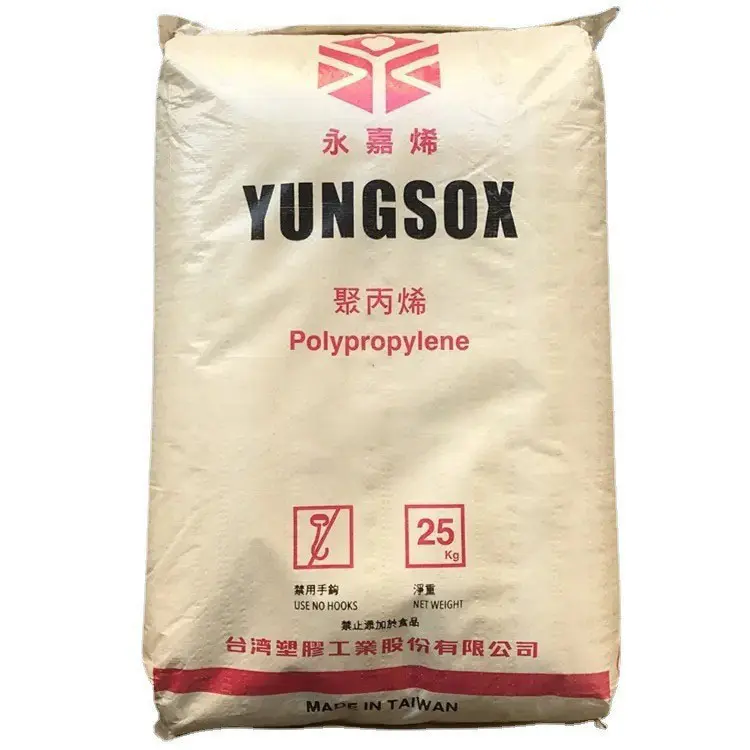
- Product Series: YUNGSOX®
- Material Category: Copolymer PP (Polypropylene Copolymer)
- Physical Appearance: Natural plastic pellets
YUNGSOX® 3040C is an impact-resistant copolymer polypropylene resin produced by Formosa Plastics, featuring a melt flow rate of 3.5 g/10min, which places it in the medium-melt-index copolymer PP grade. This material balances rigidity with low-temperature impact resistance, exhibiting excellent notched Izod impact strength at 23℃ and maintaining good impact performance in a -20℃ low-temperature environment, along with favorable toughness and crack resistance. It also possesses a relatively high Vicat softening temperature with stable heat-resistance performance.
The material is adapted to mainstream injection molding processing technologies, features inherent chemical corrosion resistance common to polypropylene, tolerates most acids, alkalis, and solvents, and maintains a stable mold shrinkage rate, facilitating dimensional control of injection-molded parts. It is suitable for structural components requiring a balance of rigidity and low-temperature impact resistance, making it a commonly used copolymer PP grade in the fields of industrial accessories and home appliance components.
Core Performance Features
- Balanced rigidity and impact resistance at room and low temperatures, reducing the risk of part breakage under low-temperature operating conditions.
- Higher Vicat softening point with favorable heat resistance, suitable for medium-temperature service environments.
- Medium melt flow index with moderate injection molding fluidity and a broad processing window.
- Stable mold shrinkage rate, facilitating the control of product dimensional consistency.
- Inherent chemical resistance of the polypropylene base resin, with tolerance to most common inorganic chemicals.
Technical Specifications
Physical Properties
| Property | Test Value | Test Unit | Test Standard |
| Density | 0.9 | g/cm³ | ISO 1183 |
| Melt Flow Rate (230℃, 2.16kg) | 3.5 | g/10min | ISO 1133 |
| Mold Shrinkage | 1.3 – 1.7 | % | Internal Method |
| Rockwell Hardness (R scale) | 95 | — | ISO 2039 |
Mechanical Properties
| Property | Test Value | Test Unit | Test Standard |
| Tensile Strength, Yield | 27.5 (280) | MPa (kg/cm²) | ISO 527 |
| Tensile Strain, Break | 400 | % | ISO 527 |
| Flexural Modulus | 1080 (11,000) | MPa (kg/cm²) | ISO 178 |
| Izod Impact Strength, Notched (23℃) | 392 (40) | J/m (kg·cm/cm) | ISO 180 |
| Izod Impact Strength, Notched (-20℃) | 98 (10) | J/m (kg·cm/cm) | ISO 180 |
Thermal Properties
| Property | Test Value | Test Unit | Test Standard |
| Heat Deflection Temperature (1.8 MPa) | 110 | ℃ | ISO 75 |
| Vicat Softening Point | 145 | ℃ | ISO 306 |
| Flame Retardancy | HB | — | UL 94 |
Disclaimer: The technical specifications for [Formosa Plastics] [YUNGSOX® 3040C PP, Copolymer] presented herein are derived from data issued by [Formosa Plastics] or certified third‑party testing institutions. While we have made every effort to ensure the accuracy of the information provided, we assume no liability for any consequences arising from the use of [YUNGSOX® 3040C PP, Copolymer] based on these data. Given the variables involved in processing conditions, we strongly recommend conducting thorough trials of [YUNGSOX® 3040C PP, Copolymer] under your specific operational environment prior to final material selection.
Applications & Processing Guidelines
Recommended Applications
This grade focuses on impact resistance requirements and is suitable for injection-molded products subjected to impact and partial low-temperature exposure environments:
- Home appliance internal structural parts and housing accessories
- General industrial injection-molded components and logistics turnover accessories (such as sports equipment, paint pails, and luggage bases)
- Automotive non-appearance interior plastic parts
- General packaging containers and impact-resistant plastic shells
- Daily-use and industrial injection-molded consumables
Processing Operation Points
- Drying Treatment: PP pellets of this grade have extremely low water absorption under normal storage conditions and generally require no pre-drying for standard injection molding. If the raw material is damp or surface condensation occurs, drying at 80–90℃ for 2–3 hours is recommended.
- Processing Temperature Reference: Barrel temperature range is recommended between 180–220℃; mold temperature is suggested at 40–60℃. Raising the mold temperature can improve product surface gloss while reducing internal stress.
- Melt Flow Characteristics: MFR of 3.5 g/10min indicates medium fluidity, making it suitable for medium-wall-thickness parts; thin-walled products require optimized screw speed and injection pressure parameters.
- Mold Shrinkage: Mold shrinkage rate is 1.3–1.7%; this shrinkage range must be factored into dimensional calculations during the mold design stage. Ensure parts are sufficiently cooled before demolding to minimize dimensional deviation caused by post-shrinkage.
- Shutdown Tip: Short-term shutdowns permit temperature holding; for extended shutdowns, clearing the barrel is recommended to prevent thermal degradation of the material.
Logistics, Packaging & Compliance
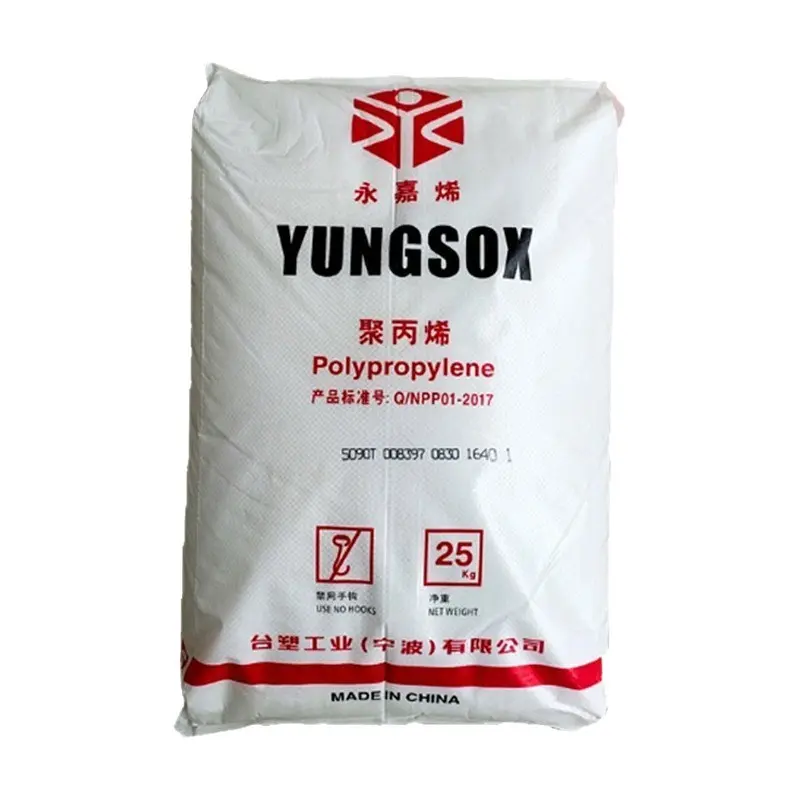
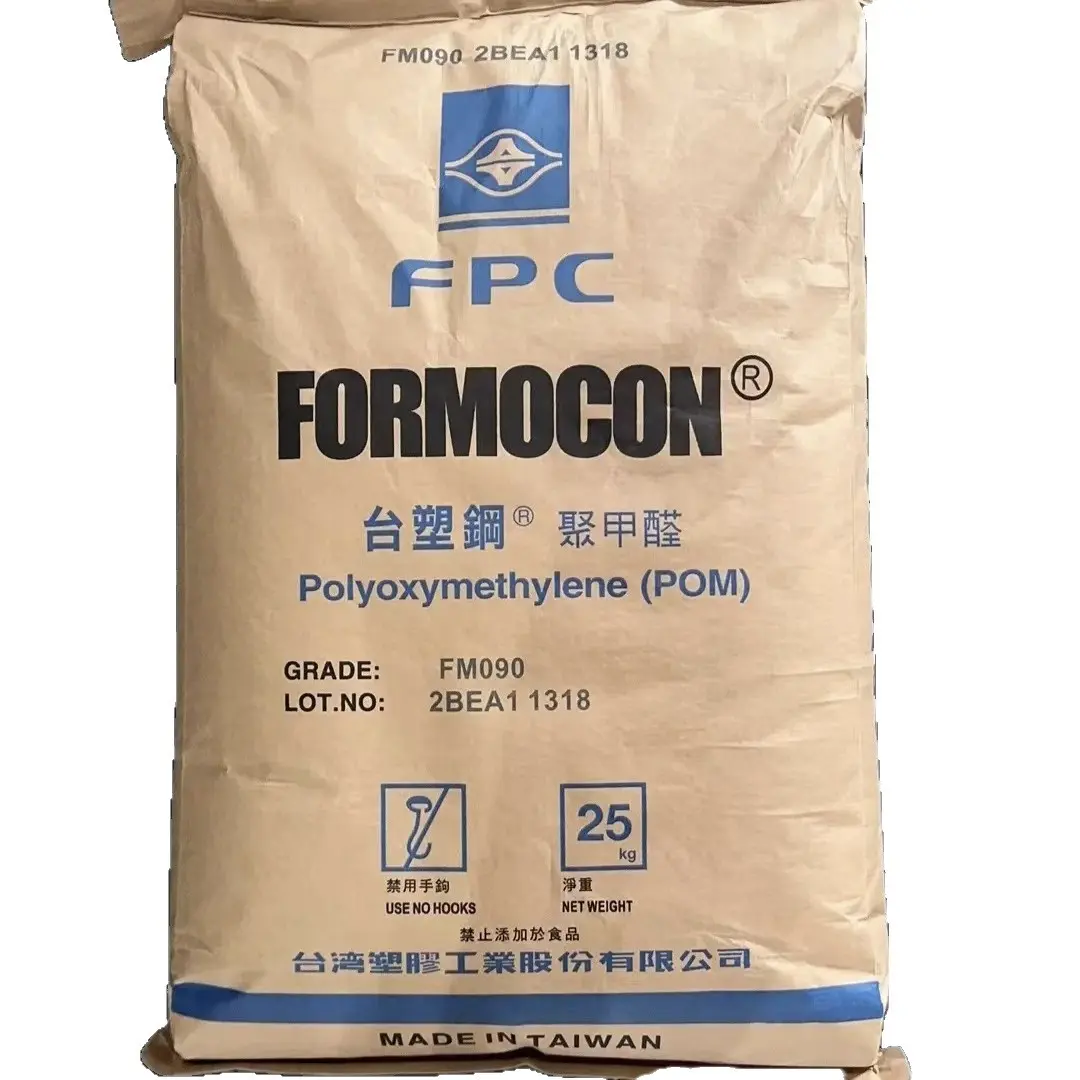
- Packaging Specifications: Standard original factory packaging is a 25kg moisture-proof woven bag with sealed pellets to prevent moisture absorption during transportation and storage.
- Hazardous Classification: This product is not classified as a hazardous chemical and is suitable for regular general cargo transport.
- Delivery Lead Time: Standard spot inventory lead time is 7–15 working days; bulk orders require confirmation based on original factory production scheduling. Ocean and land freight are supported, with availability for container consolidation shipping.
- Compliance Documents: Original factory COA, TDS, and MSDS can be provided; the material complies with REACH and RoHS regulations as well as FDA food contact standards, making it suitable for export to overseas markets including Europe and the Americas.
- Storage & ESG Tips: Store in a cool, dry warehouse away from heat sources and open flames. PP is a thermoplastic recyclable material, and industrial scrap can be recycled, granulated, and reused under compliant conditions.
Frequently Asked Questions (FAQs)
Q1: Must Formosa YUNGSOX® 3040C be dried prior to processing?
A: Copolymer polypropylene inherently features very low moisture absorption. Raw materials stored in normal, intact packaging do not require drying and can be directly injection-molded. If the packaging is damaged or the pellets are damp and condensed, drying at 80–90℃ for 2–3 hours is recommended to remove moisture and prevent defects such as silver streaks and bubbles in the finished product.
Q2: How should selection be distinguished between 3040C and high-melt-index copolymer PP?
A: 3040C has a melt index of 3.5 with moderate fluidity, emphasizing toughness and impact resistance performance, making it suitable for medium-wall-thickness components where impact performance is valued. High-melt-index copolymer PP offers superior fluidity, making it ideal for thin-walled, complex parts, though its impact performance typically decreases. Selection should be based on product wall thickness and impact operating conditions verified through trial testing.
Q3: What is the lowest service temperature limit for this grade?
A: Under -20℃ conditions, the notched Izod impact strength is 98 J/m (10 kg·cm/cm), providing certain low-temperature toughness capable of withstanding short-term low-temperature impacts. Long-term continuous severe low-temperature service below -20℃ is not recommended. For such scenarios, actual part impact verification is advised to evaluate whether a higher impact-modified grade is necessary.