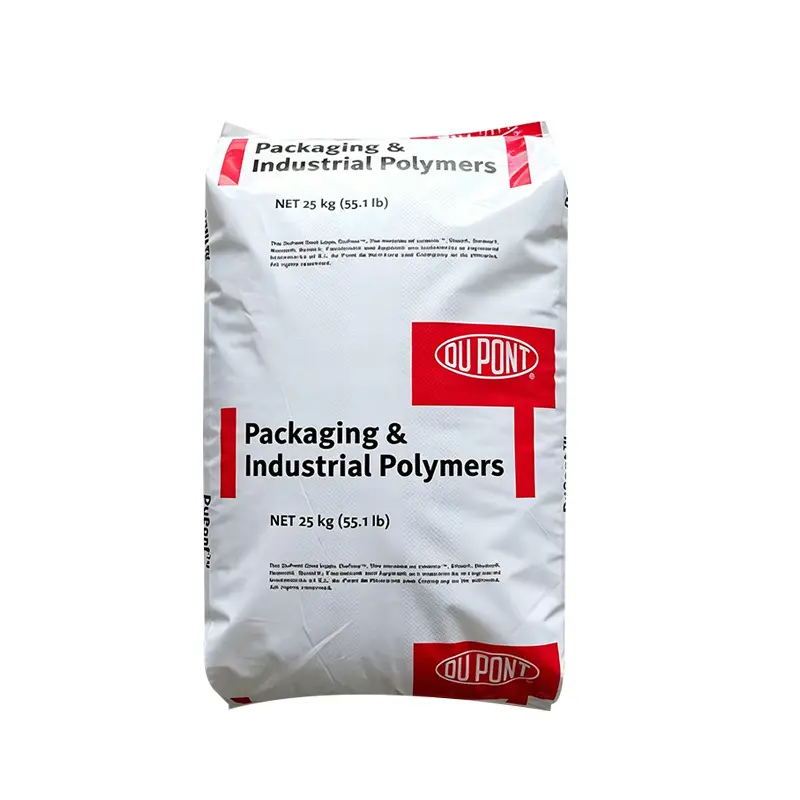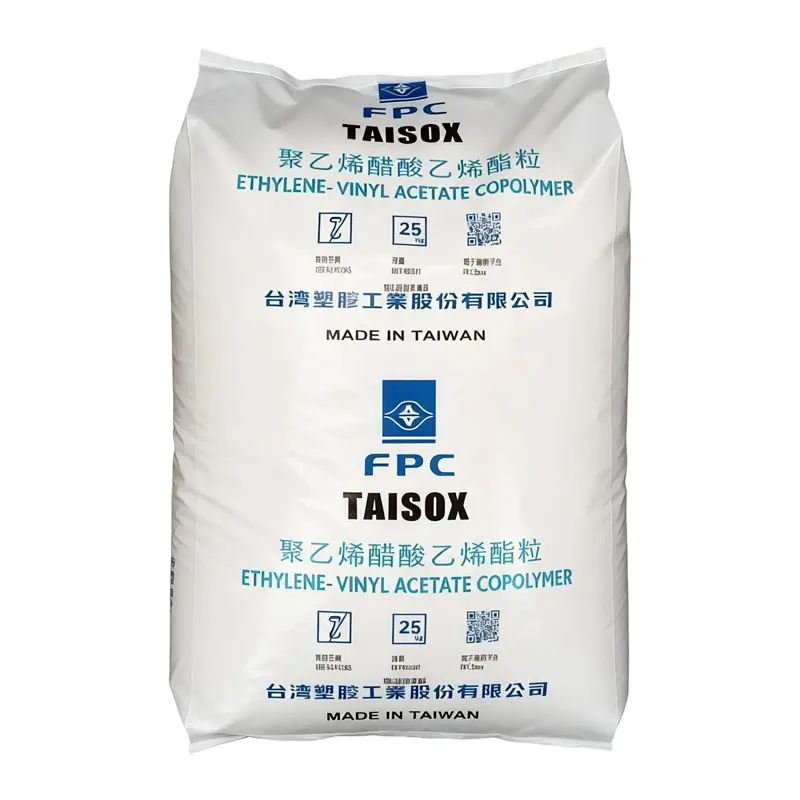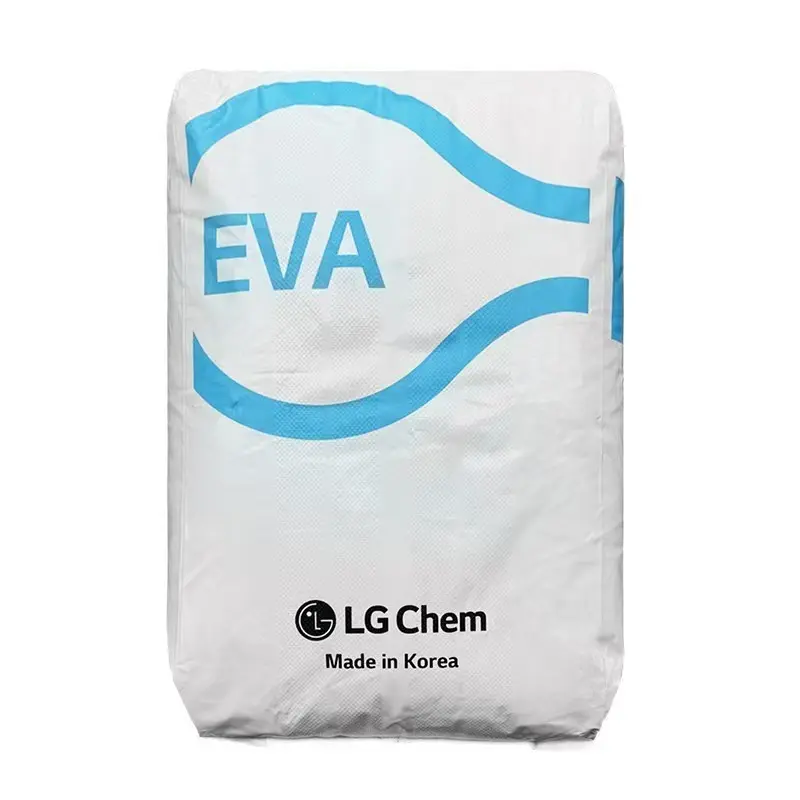
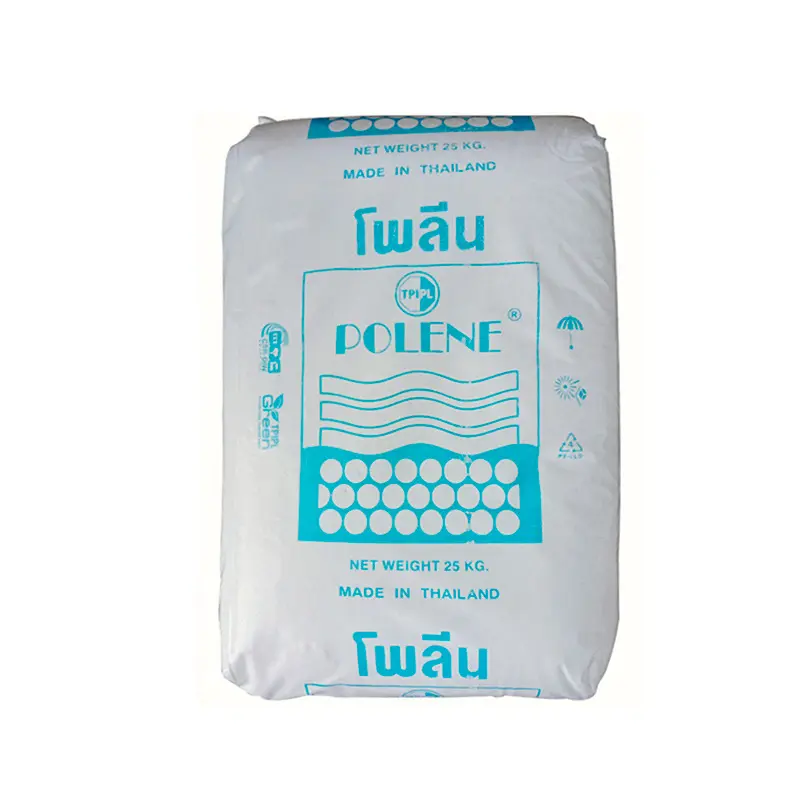
Product Overview & Key Features
TPI Polene N 8038 is an EVA (Ethylene-Vinyl Acetate Copolymer) raw material produced by TPI Polene in Thailand, with a VA content of 18.0 wt% and a melt index of 2.3 g/10min (190℃/2.16kg). This grade balances flexibility, tear resistance, and processing flowability, featuring an extremely high elongation at break, stable low-temperature toughness, and resistance to environmental stress cracking. The base resin possesses excellent filler compatibility, making it adaptable for compounding and modification with calcium carbonate, color masterbatches, and various functional additives. Suitable Processing Technologies: Extrusion molding, blown film, injection molding, hot-melt modification, extrusion coating, and compound blending. Core Features
- High elongation at break, exceptional flexibility, Shore A hardness of 37, soft touch
- Stable melt flow characteristics with a wide processing window
- Good low-temperature impact resistance and flexural performance
- Excellent adhesive compatibility with PE and partial polyolefin substrates
- Easy to color and modify with fillers
Technical Specifications
Physical Properties
| Physical Properties | Test Value | Test Unit | Test Standard |
| Density | 0.941 | g/cm³ | ASTM D1505 |
| Melt Index, Mass (190 ℃, 2.16 kg) | 2.3 | g/10min | ASTM D1238 |
| Vinyl Acetate Content | 18 | wt% | Internal Method |
| Shore Hardness A | 37 | — | DIN 53505 |
Mechanical Properties
| Mechanical Properties | Test Value | Test Unit | Test Standard |
| Tensile Strength at Yield | 4.5 | MPa | ASTM D638 |
| Tensile Strength at Break | 24 | MPa | ASTM D638 |
| Tensile Strain at Break | 820 | % | ASTM D638 |
Thermal Properties
| Thermal Properties | Test Value | Test Unit | Test Standard |
| Vicat Softening Point | 62 | ℃ | — |
Disclaimer: The technical specifications for TPI Polene N 8038 presented herein are derived from data issued by TPI Polene or certified third-party testing institutions. While we have made every effort to ensure the accuracy of the information provided, we assume no liability for any consequences arising from the use of N 8038 based on these data. Given the variables involved in processing conditions, we strongly recommend conducting thorough trials of N 8038 under your specific operational environment prior to final material selection.
Applications & Processing Guidelines
Recommended Application Scenarios
- Packaging films, composite flexible packaging, and multi-layer co-extruded functional films
- Plastic modification base resins, masterbatch carriers, and color masterbatch carrier resins
- Extruded sealing strips, flexible pipes, and wire/cable inner layer insulation sheaths
- Hot-melt base materials and low-hardness flexible injection-molded accessories
- Coatings, extrusion coatings, and aluminum-plastic composite adhesive layers
Key Processing Operations
- The raw material has low moisture absorption under normal conditions, and forced drying is generally unnecessary for routine operations; however, for high-transparency products, pre-drying at 60–80℃ for 2–4 hours is recommended to reduce surface bubble defects.
- The recommended extrusion processing temperature range is controlled between 140℃ and 180℃, with maximum processing temperatures not exceeding 200℃, as prolonged high temperatures can easily cause material degradation.
- This grade has an MI of 2.3 and medium fluidity. When producing high-filler formulations, the screw speed can be moderately increased to prevent poor dispersion caused by insufficient shear.
- Blending with HDPE/LDPE systems can enhance product toughness; if higher adhesion performance is required, compatibilizers can be matched for modification and debugging.
Logistics, Packaging & Compliance
- Packaging Specifications: 25kg moisture-proof kraft paper composite bags, palletized and reinforced with stretch film upon request.
- Hazardous Classification: Non-hazardous chemical; transportable via standard sea and land freight, supporting mixed container consolidation.
- Delivery Lead Time: Regular stock orders are shipped within 3 to 7 working days; production schedules for large-volume long-term orders are negotiable.
- Supporting Documentation: Original manufacturer TDS, MSDS, and COA quality certificates can be provided.
- Compliance Scope: Materials support RoHS and REACH regulatory compliance checks, with corresponding data available upon customer request.
- Environmental Notice: This EVA base resin is free of plasticizers. Discarded products can be recycled through polyolefin recycling channels; exhaust gas collection and treatment are recommended during production.
Frequently Asked Questions (FAQs)
Q1: Does TPI Polene N 8038 EVA require drying before processing?
A: Virgin resin has low moisture absorption, so standard extrusion and injection molding production do not require drying. If producing high-transparency films, thin-walled products, or if the raw material has been stored outdoors for extended periods, pre-drying at 60–70℃ for 2–4 hours is recommended to eliminate bubble and gel/fisheye defects caused by moisture.
Q2: Is VA18 content N8038 suitable as a raw material for hot-melt adhesives?
A: It can be used as a primary base material. This grade features high elongation and flexibility, making it suitable for flexible hot-melt systems. If higher bond strength is required, formulating with tackifying resins and waxes is recommended, alongside client-side adhesive testing and validation.
Q3: How do I distinguish N 8038 from other EVA grades with the same VA content?
A: The core differentiating index is this grade’s melt index of 2.3 g/10min. Under the same VA18 level, grades with higher melt flow rates offer better processability but reduced toughness, while lower melt flow rates provide superior toughness at the cost of higher extrusion load. Material selection should prioritize matching the molding equipment and the mechanical requirements of the finished product.
Q4: Can this grade be heavily filled with calcium carbonate or talc powder?
A: It features excellent filler compatibility and supports high-loading modification. Increasing the filler loading will reduce elongation and toughness, so gradient testing of filler proportions is recommended, along with appropriate adjustments to processing temperatures and screw shear parameters to ensure uniform filler dispersion.