Product Overview
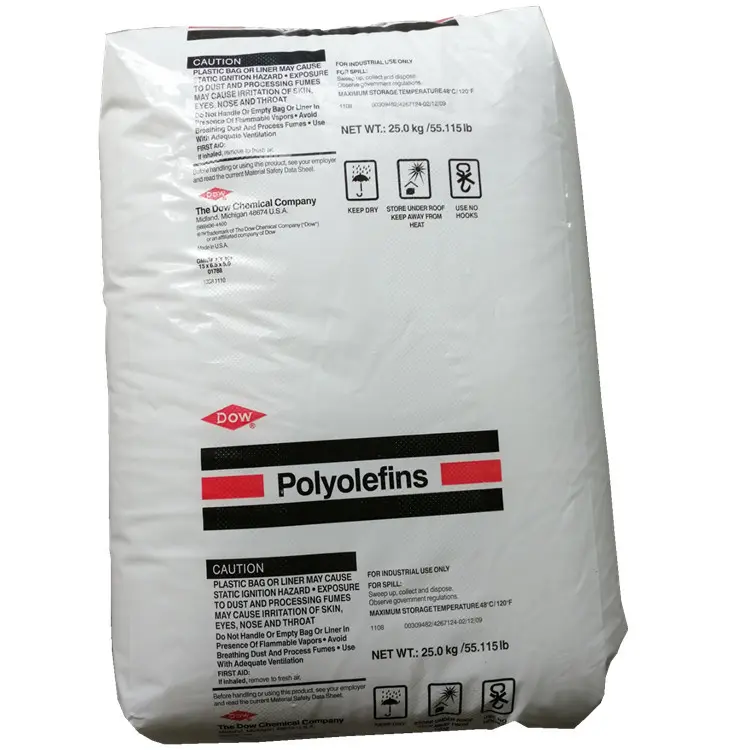
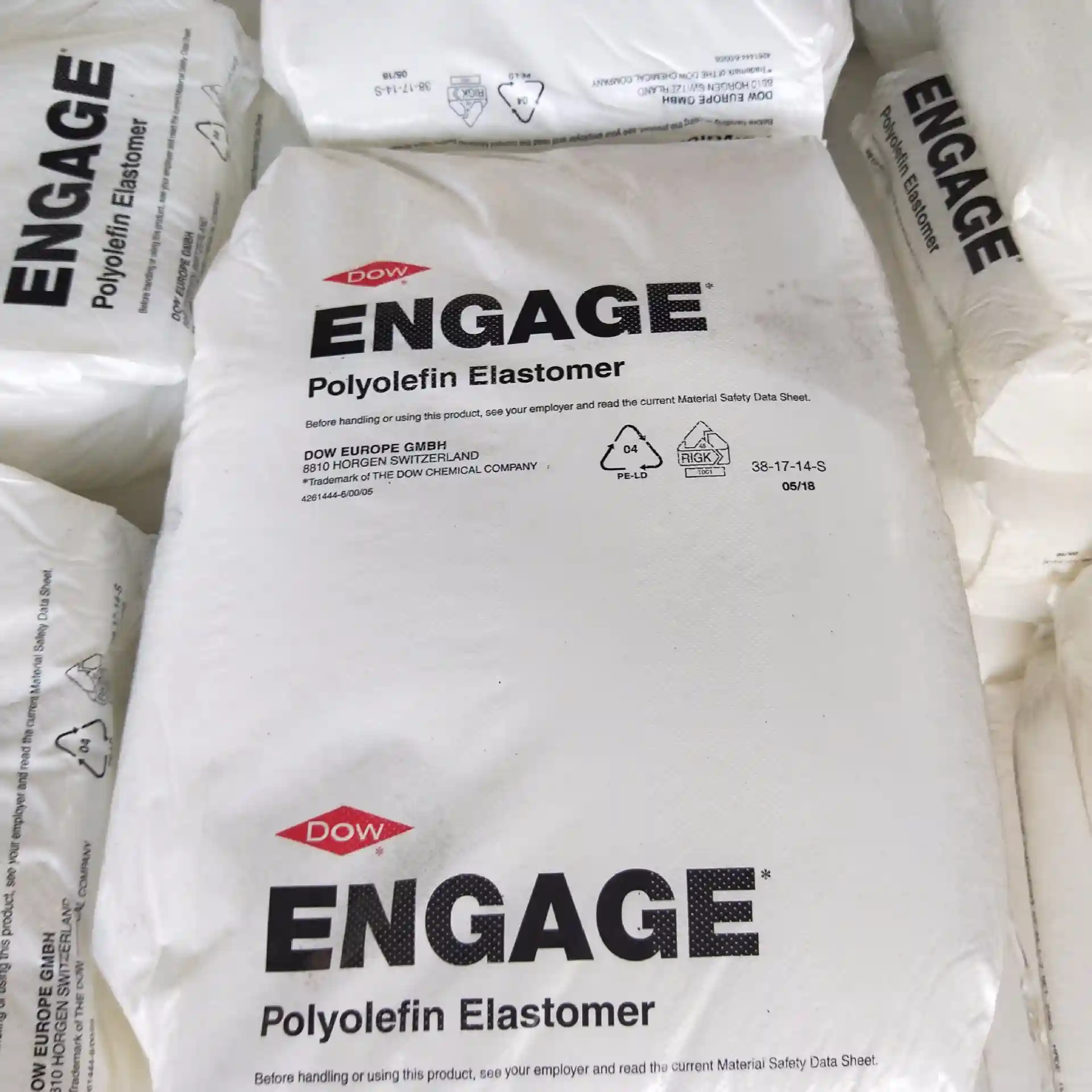
Dow Engage® 8150 is a polyolefin elastomer (POE) resin produced by The Dow Chemical Company. This material is a high-performance ethylene-octene copolymer characterized by its low density and high molecular weight, specifically designed to function as an effective impact modifier in polyolefin blends. It provides superior toughness and durability to finished products, making it suitable for injection molding and extrusion processing applications.
Technical Specifications
Physical Properties
| Physical Properties | Typical Value | Unit | Test Standard |
| Density | 0.868 | g/cm³ | — |
| Mooney Viscosity (121 °C, ML 1+4) | 35 | — | ASTM D1646 |
| Melt Index (2.16 kg, 190 °C) | 0.5 | g/10min | ASTM D1238 |
| Shore Hardness A | 75 | — | ASTM D2240 |
| Shore Hardness D | 20 | — | ASTM D2240 |
Mechanical Properties
| Mechanical Properties | Typical Value | Unit | Test Standard |
| Tensile Strength, Ultimate | 10.9 | MPa | ASTM D638 |
| Tensile Strength, Yield | 1.9 | MPa | ASTM D638 |
| Tensile Strain, Break (500 mm/min) | 780 | % | ASTM D638 |
| Tensile Modulus, 2% Secant | 11.8 | MPa | ASTM D790 |
Thermal Properties
| Thermal Properties | Typical Value | Unit | Test Standard |
| Melting Point (10°C/min) | 55 | °C | — |
| Vicat Softening Point | 39 | °C | ASTM D1525 |
| Brittleness Temperature | <= -76.0 | °C | DuPont test DSC |
Logistics & Supply Standards
This product is supplied in standard 25 kg bags. We maintain consistent stock levels at our primary logistics hubs to ensure supply chain continuity. Under standard international trade terms (Incoterms), the average delivery lead time is processed according to logistics arrangements upon order confirmation. Engage® 8150 is classified as a non-hazardous substance, allowing for mixed transport with other compatible engineering plastic raw materials to optimize shipping costs and warehouse utilization.
Compliance & Quality Commitment
We provide comprehensive documentation support for all shipments, including original Technical Data Sheets (TDS), Material Safety Data Sheets (MSDS), and Certificates of Analysis (COA). The material complies with relevant international chemical management regulations such as REACH and RoHS. We maintain a rigorous batch traceability system, ensuring full transparency and quality verification from the manufacturing plant to the final point of delivery.
Sustainability & ESG Statement
Dow Engage® 8150 is a thermoplastic material that supports physical recycling and reprocessing pathways. The product is manufactured to meet stringent industry environmental standards, exhibiting low Volatile Organic Compound (VOC) emissions during standardized processing. We actively support the transition toward a circular economy by ensuring our products align with global green supply chain requirements and advocating for responsible post-industrial and post-consumer material management.
FAQs
Q1: What are the moisture control and drying requirements for Engage® 8150 prior to processing?
A1: While POE materials are generally less hygroscopic than polar polymers, it is recommended to store the resin in a dry environment. If the material has been exposed to high humidity, drying in a hopper dryer at 60-80°C for 2-3 hours is recommended to ensure optimal processing stability and prevent surface defects.
Q2: What is the Minimum Order Quantity (MOQ), and how can we request samples for laboratory validation?
A2: The standard commercial unit is 25 kg per bag, with minimum order quantities typically based on pallet or container load configurations to maintain logistics efficiency. We support the product qualification process by providing limited quantities of test samples for NPI (New Product Introduction). Please contact our regional sales representative to submit a formal sample request.
Q3: How does the performance of Engage® 8150 differ from other Engage™ grades when used as an impact modifier?
A3: Engage® 8150 features a specific melt index (0.50 g/10min) and density (0.868 g/cm³), which contributes to its distinct balance of high elasticity and impact modification efficiency. Choosing the correct grade depends on the base resin (e.g., PP or PE) and the required end-use mechanical properties. We recommend reviewing the specific melt flow compatibility and conducting mechanical performance testing in your target blend ratio to determine the most effective grade for your application.